A melting glacier contributed to the deadly Nepal floods. We can expect more like this
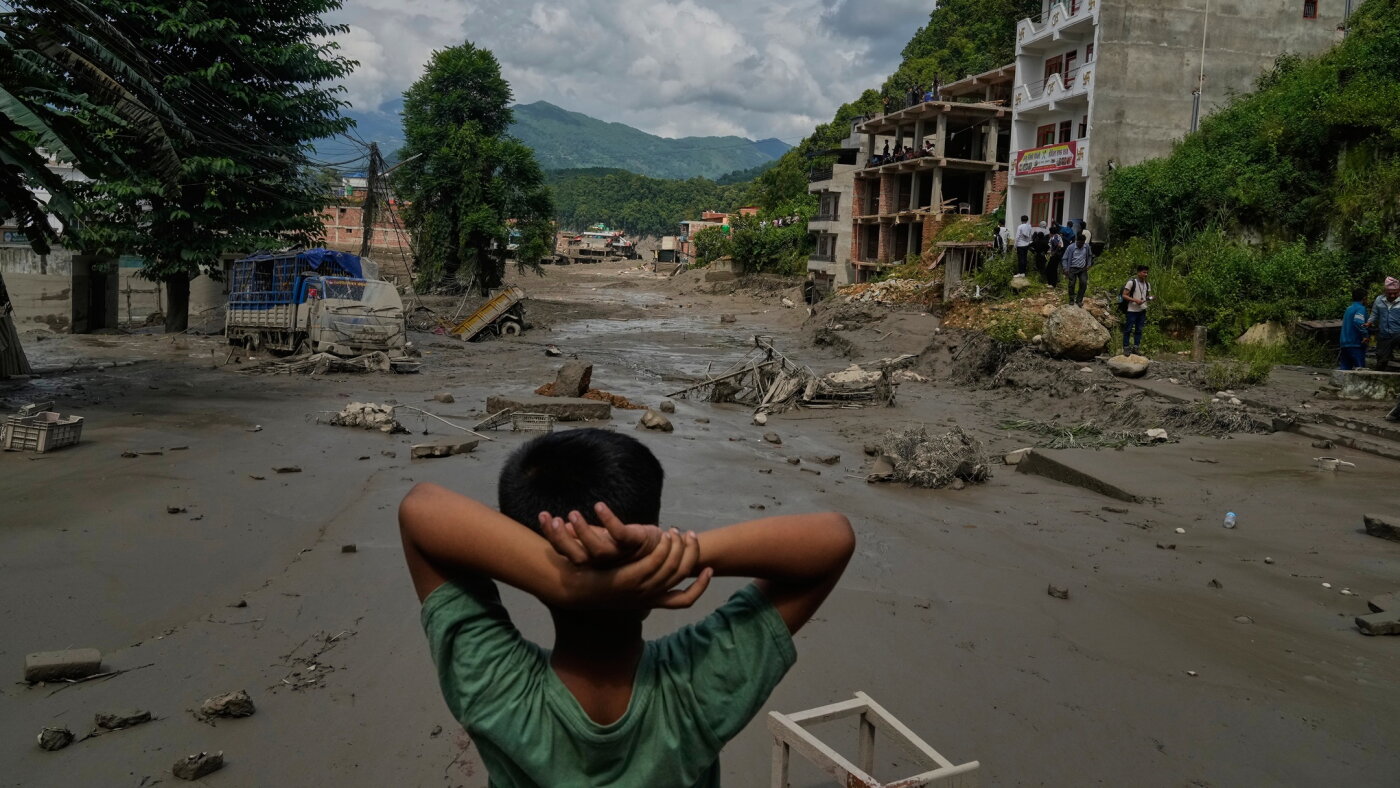
More than a thousand people are missing and at least 400 have died after a flash flood ripped through parts of Nepal and Tibet early Wednesday. The disaster began when a large chunk of ice broke from a glacier and plummeted thousands of feet into the valley below, sending a torrent of rock, ice and mud downriver for miles. Communities along the Trishuli River were swept away, houses were destroyed and the swollen, debris‑choked riverbank now holds damaged homes precariously.
Initial assessments by local authorities and scientists attribute the flooding to a combination of intense monsoon rains and the rapid melting of glaciers in the Himalayan region. The heavy rainfall saturated the ground, making rivers already swollen from meltwater even more prone to overflow. “Everything is fully saturated already,” said Mohammad Farooq Azam, an expert at ICIMOD, an environmental advocacy group that focuses on Asia’s high mountains. “The rivers are swollen.”
The glacier that collapsed is part of a broader pattern of glacier instability that scientists say is accelerating because of human‑caused global warming. Twila Moon, deputy lead scientist at the National Snow and Ice Data Center at the University of Colorado Boulder, noted that the event was “made more likely because of climate change” and that similar glacier hazards are becoming increasingly common. Arun Bhakta Shrestha, a climate‑change specialist focused on Himalayan glaciers, said the frequency and severity of such hazards are rising across the Hindu Kush‑Himalayan region, pointing to climate change as the underlying cause.
Footage shared on local media from the Chinese‑administered side of the border with Nepal shows a massive surge of water sweeping over a port building as people fled. Residents filmed the flood washing away a bridge and washing away riverside settlements. Alton Byers, a faculty research scientist at the Institute of Arctic and Alpine Research at the University of Colorado Boulder, warned that the world will see “more and more events like this” as the planet warms. He compared the thawing of mountain permafrost to a stick of butter left out of the refrigerator: “It’s going to get softer and it’s going to lose its structural integrity.”
The flood also exposed gaps in Nepal’s flood‑warning system. Although the government has invested heavily in such systems over the past decade, many warning alarms in flood‑prone valleys are not fully functional or maintained. Preliminary reports suggest that the existing infrastructure was overwhelmed by the scale of the disaster. The government has struggled to keep up with the cost of maintaining the systems, according to NPR’s reporting.
The disaster has left the region in shock. In Nuwakot district, the Trishuli River’s swollen banks now hold damaged houses that are precariously perched on the river’s edge. Rescue teams are working to locate missing residents and to assess the extent of the damage. The number of missing people is expected to rise as more remote communities are reached and as the flood’s aftermath is fully understood.
Scientists emphasize that the glacier collapse and the ensuing flood are part of a broader trend of increasing glacier instability in the Himalayas. Global warming, driven by emissions from burning fossil fuels such as oil, gas and coal, is the primary driver of this trend. The same climate‑change scientists who studied the glacier’s collapse also point out that renewable energy and battery technologies are becoming increasingly price competitive with traditional energy sources, offering a path to reduce the emissions that fuel these disasters.
The full scope of the damage will take time to assess. Initial estimates place the death toll at 400 and the number of missing at over a thousand. The government has appealed for international assistance and for additional funding to improve flood‑warning infrastructure and to support the rebuilding of affected communities. As the region continues to grapple with the immediate aftermath, scientists and policymakers alike warn that without significant mitigation of climate change, similar or even more severe glacier‑related flooding events are likely to occur in the future.
Comments (0)
No comments yet — be the first to weigh in.
Iran-US Tensions Escalate Amid Hormuz Strait Crisis – Live Updates
Iranian President Pezeshkian seeks diplomatic solutions with global leaders at SCO summit in Kyrgyzstan amid rising US tensions over Hormuz Strait.

Search continues for 18 passengers after ferry capsized in northern Cyprus
Search and rescue operations are continuing off the coast of Kyrenia in northern Cyprus after a passenger ferry capsized and sank on Sunday, leaving at least ei...

Swiss Man Arrested After Deadly Rave Shooting Kills Italian Woman
A 43-year-old Swiss suspect has been arrested after a shooting at a techno rave in Aarau left one woman dead and several others injured. Authorities continue their investigation.

England attack's 2005 comparisons fair - Trescothick
England’s new pace attack is drawing comparisons to the legendary Ashes-winning quartet of 2005, according to interim head coach Marcus Trescothick. The current...

Mumbai’s Vile Parle Cypher is giving unheard rappers a voice

Enrich and Ultimo impress

Karnataka CM Signals Review of 5% Park Land Amendment Bill in Assembly

