AI Baby Monitors Raise Privacy Concerns in Child Health Tracking
AI-powered baby monitors like Nanit are expanding into long-term child health tracking, raising privacy and surveillance concerns as companies collect extensive developmental data.
The New York Times has published an investigative report examining the growing market for AI-powered surveillance systems designed to monitor infants and young children in their homes. The technology, pioneered by companies such as Nanit, uses artificial intelligence to analyze video and audio feeds from cameras placed in children’s bedrooms, tracking developmental milestones including speech patterns, motor skills, and sleep patterns.
Nanit recently secured $50 million in new funding to expand its platform beyond infancy into early adolescence. The company’s devices, which already collect extensive data on infants, now aim to provide continuous health monitoring for children up to age 12. This expansion reflects a broader industry trend toward long-term child surveillance under the guise of developmental tracking.
These systems use advanced AI algorithms to process real-time video and audio data. According to the report, Nanit’s technology can detect subtle changes in a child’s behavior, movement, and vocalizations, providing parents with detailed reports and alerts. While marketed as tools for developmental support and parental peace of mind, privacy advocates warn that such systems collect highly sensitive biometric and behavioral data from a vulnerable population.
Experts quoted in the article emphasize the lack of comprehensive regulations governing the collection and storage of children’s data. Unlike health data from traditional medical providers, which is protected under laws such as HIPAA, data collected by consumer-grade baby monitors falls into a legal gray area. There are no federal requirements mandating data minimization, encryption standards, or parental consent beyond initial setup.
The rapid expansion of these products has raised concerns among child development specialists and cybersecurity experts. Some warn that prolonged surveillance in private spaces could have unintended psychological effects on children. Others highlight the risk of data breaches, noting that insecure IoT devices have previously been exploited by hackers.
Nanit and its competitors argue that their systems provide valuable insights that can help parents and pediatricians identify potential developmental delays early. They also point to safety features such as secure cloud storage and two-factor authentication to protect user data.
However, critics question whether continuous monitoring is necessary or beneficial for child development. The industry’s push to extend surveillance well beyond infancy—into early adolescence—has sparked debate about the appropriateness of such technology in children’s private spaces.
As AI-driven child monitoring becomes more sophisticated and pervasive, the need for clearer legal frameworks and industry standards grows. Parents considering these devices are advised to carefully review privacy policies, data retention practices, and security measures before use.
Comments (0)
No comments yet — be the first to weigh in.

Energy biz SSE smacked around in court by a guy and AI
An Oxford doctoral student has defeated British energy provider SSE Energy Supply in court after utilizing artificial intelligence models to build his legal def...
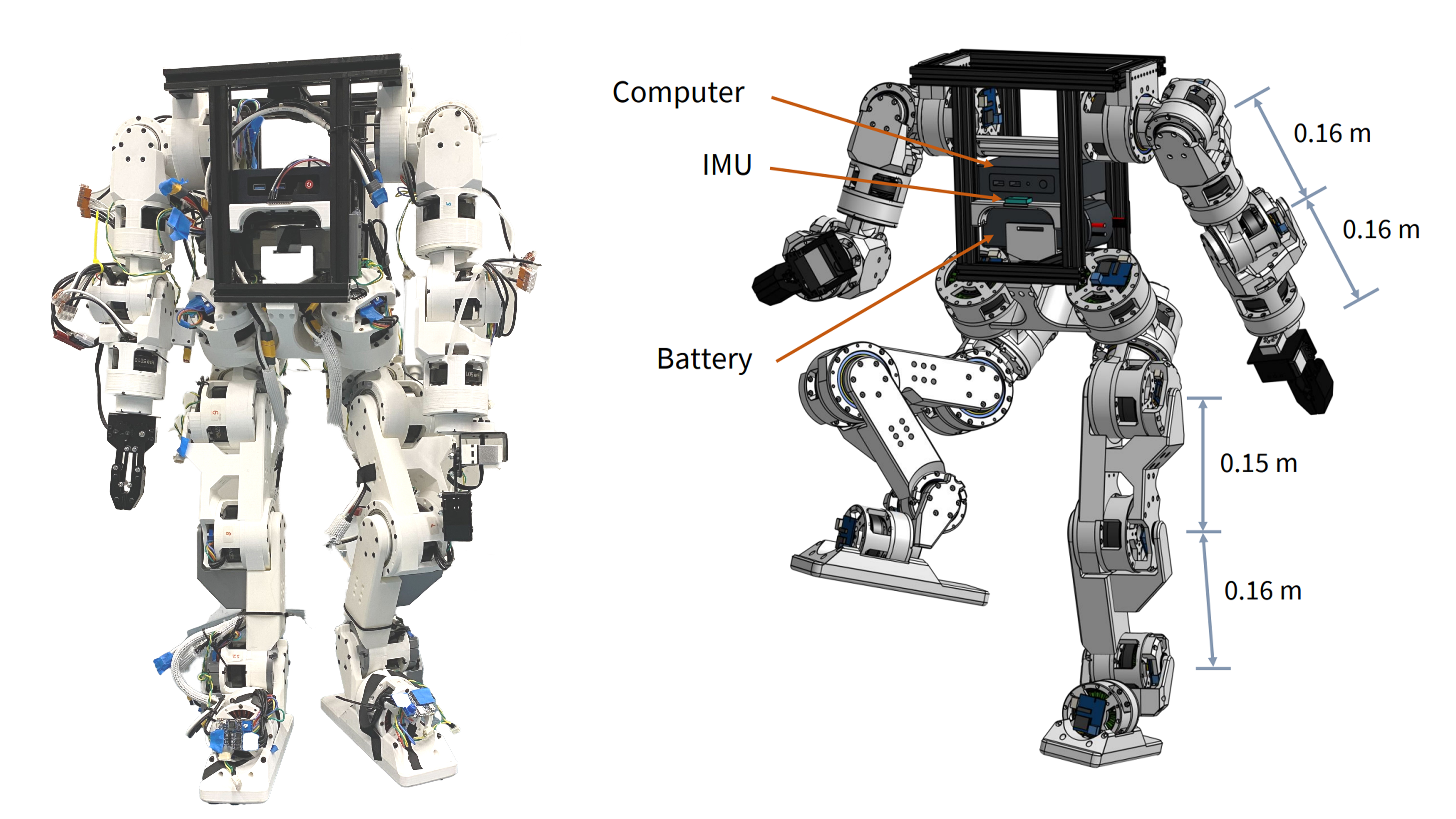
Berkeley Humanoid Lite: Affordable Open-Source Robot with DIY Actuators
Explore the Berkeley Humanoid Lite, a budget-friendly open-source robot featuring 3D-printed actuators under $5,000 USD. Learn how its modular design benefits DIY projects.

Woodstove Safety Monitor: Oru System Alerts Users to Temperature Fluctuations
Discover how the Oru woodstove assistant helps prevent dangerous chimney fires by monitoring exhaust gas temperatures and alerting users to temperature changes.
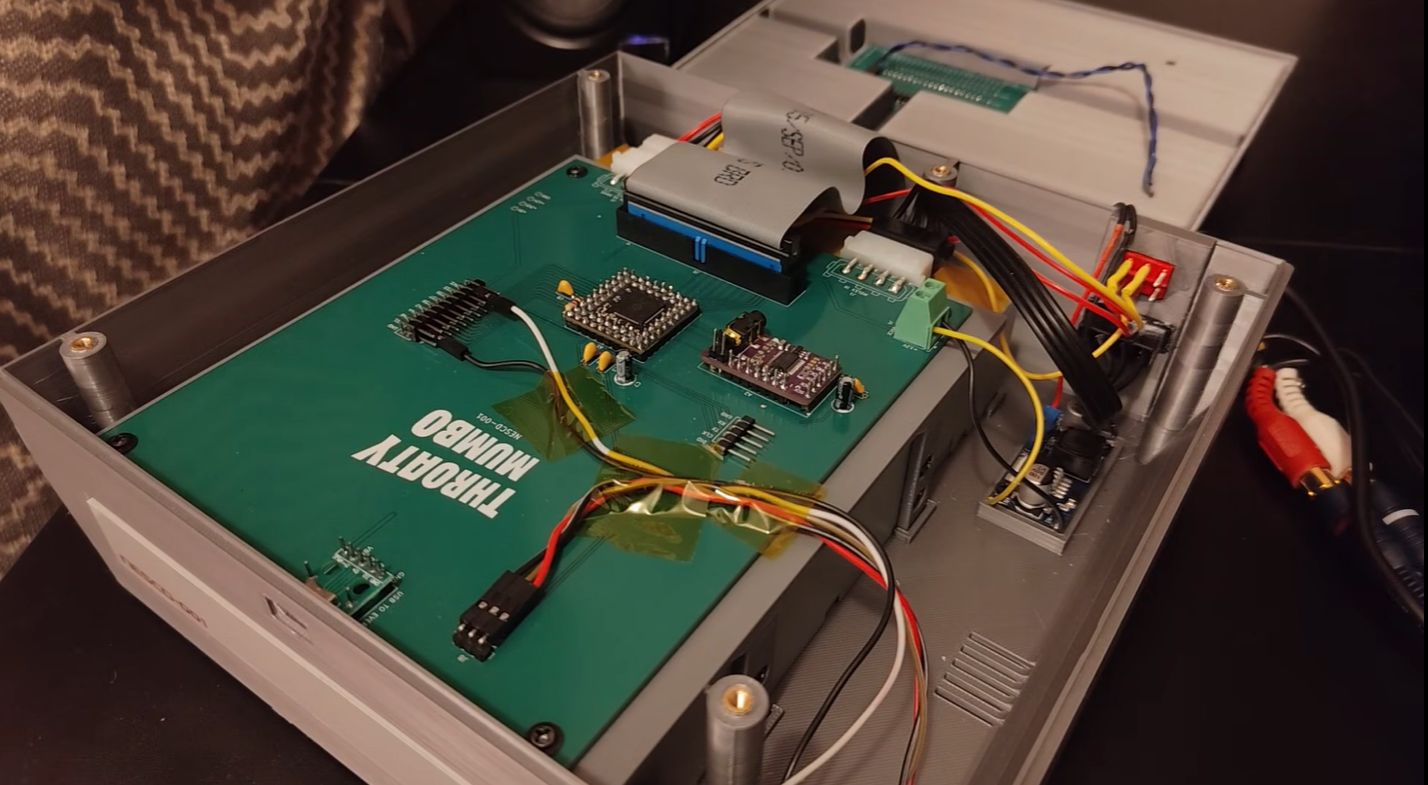
NES CD Add-On Revives 1980s Gaming with Optical Storage
Explore how a DIY project integrates a CD drive with the NES using an RP2350B microcontroller and Everdrive N8 Pro for expanded storage and audio playback.

Mumbai’s Vile Parle Cypher is giving unheard rappers a voice

Enrich and Ultimo impress

Karnataka CM Signals Review of 5% Park Land Amendment Bill in Assembly

