AI in Africa: Ethical Challenges and Cultural Exclusion in Language Models
Explore the ethical and linguistic barriers Africa faces with AI, from Western-biased models to the lack of indigenous language support, and the rise of algorithmic colonialism.
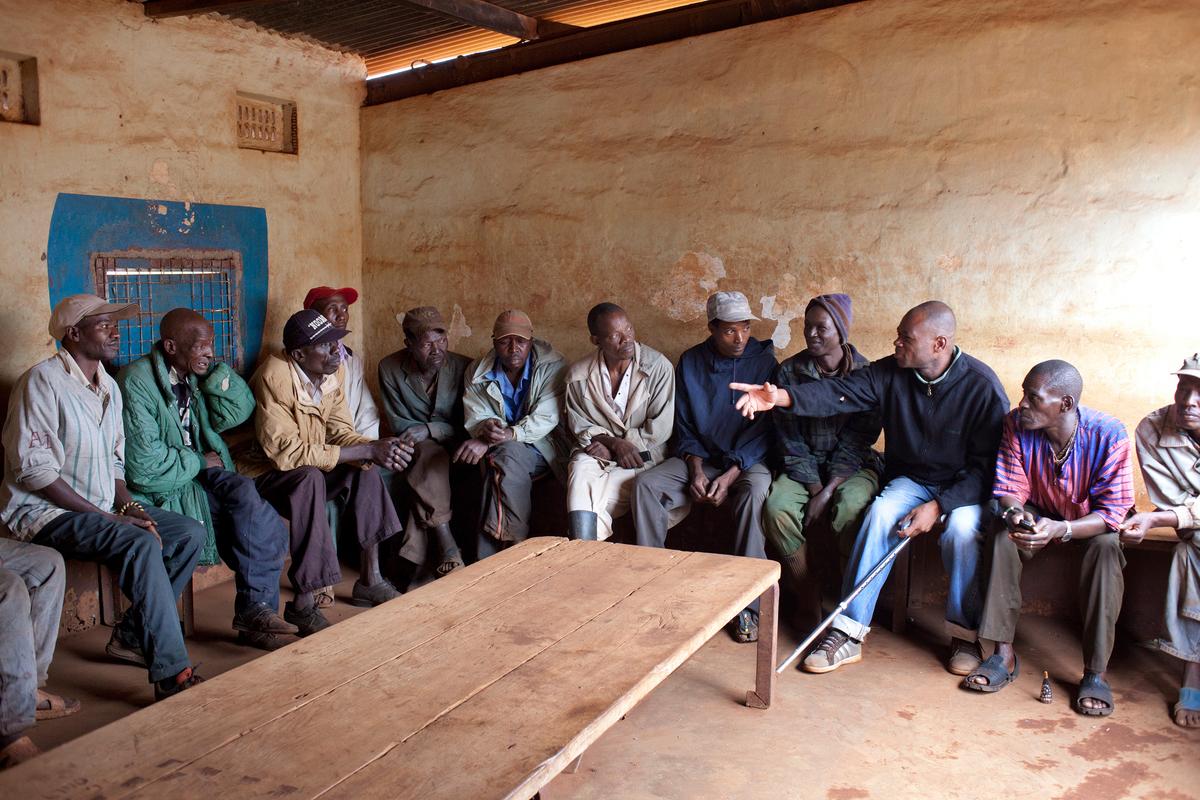
Artificial intelligence is reshaping lives worldwide, but for many in Africa, the technology remains culturally and linguistically out of reach. A recent analysis highlights how large language models (LLMs)—the AI systems behind chatbots and virtual assistants—often reflect Western values, raising concerns about cultural bias and exclusion across the continent. With only 42 of Africa’s more than 2,000 languages supported by major AI systems as of mid-2025, millions are effectively locked out of the AI revolution.
The issue extends beyond language. In Zimbabwe, Zambia, South Africa, and beyond, AI systems frequently prioritize individual autonomy, a core Western ethical principle. Yet many African communities are guided by Hunhu in Shona or Ubuntu in Nguni traditions, which emphasize communal belonging and interdependence. The proverb “Umuntu ngumuntu ngabantu”—a person is a person through other persons—captures this worldview, contrasting sharply with AI’s focus on individual decision-making and personal optimization.
Ethiopian-born cognitive scientist Abeba Birhane has described this mismatch as “algorithmic colonialism,” warning that AI is imposing Western moral frameworks on African users without meaningful input from local scholars or communities. A 2023 study found that over 90% of global AI ethics guidelines originated in North America, Europe, or East Asia, leaving African perspectives largely absent from the foundational values embedded in AI systems.
Cultural and linguistic exclusion isn’t just a matter of access—it shapes behavior. An AI trained on Western texts may advise a professional in Harare to prioritize personal advancement over community ties, reflecting an individualistic ethos that contradicts Hunhu/Ubuntu values. As philosopher Mogobe Ramose has argued, Enlightenment notions of autonomy were historically tied to racial hierarchies, and their global dissemination through AI risks repeating colonial patterns.
Experts like Damian Okaibedi Eke and colleagues have called for “responsible AI”—systems that are not only legally compliant but culturally sensitive and ethically grounded. Yet current frameworks, including those from the European Commission, OECD, and UNESCO, remain rooted in Enlightenment liberalism, emphasizing fairness, transparency, and individual rights. While these ideals are often presented as universal, they reflect specific cultural assumptions that may not align with African moral traditions.
The gap is more than theoretical. By 2025, AI support remains scarce for most African languages, with fewer than 50 supported out of over 2,000 spoken on the continent. This digital language divide means millions of Africans cannot use AI tools in their mother tongues, reinforcing historical inequities. Without intentional inclusion, AI risks deepening, not bridging, global divides.
To build AI that serves Africa, experts say, development must involve African linguists, philosophers, and communities from the start. Only then can AI respect Hunhu/Ubuntu’s emphasis on communal wisdom, dialogic justice, and spiritual connection—values that define personhood as inherently relational. The alternative, as Birhane warns, is the silent imposition of foreign ethics under the guise of technological progress.
#AIinAfrica #AlgorithmicColonialism #HunhuUbuntu #DigitalDivide #AILanguageGap #EthicalAI #AfricaTech #ResponsibleAI
Comments (0)
No comments yet — be the first to weigh in.

NASA Launches Nancy Grace Roman Telescope to Unlock Universe's Mysteries
NASA's new Nancy Grace Roman Space Telescope lifts off from Florida to study dark energy, exoplanets, and cosmic mysteries with unprecedented precision and scope.

Nature reserves spot rare species during heatwaves
Nature reserves in Hertfordshire and Middlesex have documented rare species this summer, with volunteers spotting wildlife not seen in decades and some even for...

Inmates at HMP La Moye craft boxes to save Jersey's hedgehogs
Prisoners at HMP La Moye have crafted nesting and feeding boxes to support Jersey's hedgehog population, boosting rehabilitation and community engagement.

2026 Nepal Flood: Ice‑Rock Avalanche, Glacial Lake Outburst and Climate‑Change Risks
A massive ice‑rock avalanche triggered a catastrophic flood in Nepal on Aug. 26 2026, followed by a glacial lake outburst that devastated towns and hydropower plants. Climate‑change‑driven thawing increased the risk.

Mumbai’s Vile Parle Cypher is giving unheard rappers a voice

Enrich and Ultimo impress

Karnataka CM Signals Review of 5% Park Land Amendment Bill in Assembly

