Alaska Senate Race Features Multiple Dan Sullivans: What's Going On?
Alaska's Senate race includes three candidates named Dan Sullivan, causing voter confusion and political disputes. Learn about the candidates and the controversy.
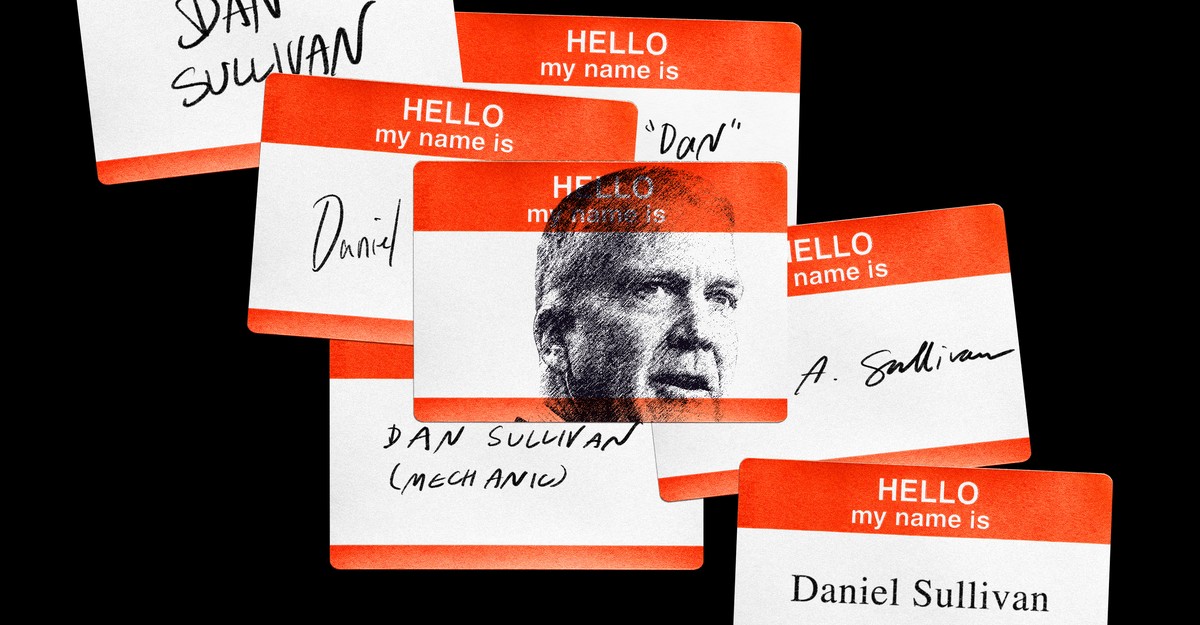
What in the Dan Sullivan is going on in Alaska? This November, voters in the state will face a unique ballot quandary: three candidates named Dan Sullivan and one named Mary Peltola in the race for U.S. Senate. The confusion stems from the presence of two Republicans named Dan Sullivan—incumbent Senator Dan S. Sullivan and challenger Dan J. Sullivan—as well as a former Anchorage mayor, Dan A. Sullivan, who endorsed the incumbent while playfully declaring himself “the OG Dan Sullivan.” Meanwhile, Democrat Mary Peltola, the state’s former at-large congresswoman, is also on the ballot. The crowded field has sparked questions about voter confusion and potential election interference.
Control of the Senate could hinge on Alaska’s ranked-choice voting system, which allows voters to rank candidates in order of preference. Republicans have expressed concerns that the two Dan Sullivans could split the vote, inadvertently benefiting Peltola. Some speculate whether this is a deliberate Democratic strategy, while others suggest it’s simply an unusual coincidence given Alaska’s high population of Dan Sullivans.
The situation has drawn attention beyond political circles. Multiple Alaskans named Dan Sullivan—none running for office—have shared their experiences with the name’s prevalence. A diesel mechanic from Wasilla and a teacher from Nome both described the phenomenon as “hilarious.” Others, like a Chugiak resident, have joked about being mistaken for the senator, noting that his firearms background checks require additional scrutiny to avoid confusion. A nurse from Palmer recounted how his name once secured VIP treatment at a restaurant, joking that he wondered whether another Dan Sullivan had received the bill instead.
This is not the first time Alaska has seen multiple Dan Sullivans on a ballot. In 2014, Senator Dan S. Sullivan ran for Senate while Dan A. Sullivan, then Anchorage’s mayor, ran for lieutenant governor. In 2016, the former mayor briefly sought the state’s other Senate seat, raising the specter of both senators sharing the name. Neither responded to requests for comment.
The current challenger, Dan J. Sullivan of Petersburg, filed to run in June, arguing that Alaska needs a Sullivan who truly represents its interests. His campaign website states, “We need a Sullivan who stands up for Alaska.” The National Republican Senatorial Committee quickly labeled him a “Sham Candidate Sullivan,” accusing him of attempting to deceive voters. Senator Dan Sullivan called the tactic an “insult,” suggesting it was a Democratic plot to siphon votes from the incumbent. The Alaska Republican Party echoed these concerns, and the state’s Division of Elections initially rejected Dan J. Sullivan’s candidacy, citing potential voter confusion. However, an Alaska Superior Court ruled in his favor, confirming his place on the ballot.
Dan J. Sullivan has dismissed accusations of wrongdoing, calling the scrutiny unfair. “Typical of Sullivan to cry about it, make a nickname, and blame others,” he said in response to being labeled a “sham.” His campaign, which has just $8,400 cash on hand—far less than Senator Sullivan’s $7.3 million—relies primarily on a website and social media presence.
In the recent nonpartisan primary, Mary Peltola led with the most votes, followed by Senator Dan Sullivan. Dan J. Sullivan finished third with 2.5% of the vote, securing a spot in the general election. His advancement has drawn criticism from Republicans, including former President Donald Trump, who claimed Democrats engineered the situation to disadvantage the incumbent. Senator Dan Sullivan’s campaign has largely avoided mentioning his namesake challenger, instead focusing on Peltola in early ads.
While the Dan Sullivan situation may seem unprecedented, it echoes past elections where similarly named candidates caused confusion. The tactic has been used before, such as in 1946 when John F. Kennedy’s allies recruited a man named Joe Russo to run against a different Joe Russo in Boston. Such strategies highlight the complexities of elections and the potential for names to influence outcomes.
#AlaskaSenateRace #DanSullivan #MaryPeltola #RankedChoiceVoting #USPolitics #AlaskaPolitics #2024Election
Comments (0)
No comments yet — be the first to weigh in.

Global AI Risks Demand International Safeguards, Experts Warn
Experts urge coordinated global action to prevent AI-driven disasters, highlighting systemic risks beyond dramatic 'AI takeover' scenarios.

French Sundays: The Secret to Guilt‑Free Relaxation and Happiness
Explore how France’s closed‑store Sundays foster family time, slow meals, and guilt‑free leisure—an antidote to modern hustle and a lesson for happier living.

Global rare earth supply chains: Why securing essential minerals is critical
China dominates rare earth mining and processing, prompting global supply chain concerns. Explore the geopolitical and economic risks and emerging solutions.

Germany's far-right AfD gains ground: Why mainstream parties must act now
Germany's AfD nears power in state elections as economic discontent fuels far-right growth. Mainstream parties face calls for bolder responses to counter rising extremism.

Mumbai’s Vile Parle Cypher is giving unheard rappers a voice

Enrich and Ultimo impress

Karnataka CM Signals Review of 5% Park Land Amendment Bill in Assembly

