Anthropic update unifies memory feature across Claude Cowork and chat

SAN FRANCISCO — Artificial intelligence research firm Anthropic has released a system update that unifies memory capabilities across its Claude chat service and Claude Cowork platform. The update allows the artificial intelligence assistant to maintain a single, synchronized memory repository between both interfaces, enabling seamless continuity for user workflows.
Prior to the update, users frequently needed to re-establish background context when transitioning between standard chat conversations and automated workspace tasks. Under the unified system, information shared during routine chats—such as project outlines, manager preferences, or past client details—is automatically accessible when Claude Cowork performs cloud-based tasks. Conversely, details established during Cowork operations are carried back into standard chat interactions.
Anthropic stated that the unified framework is designed to lead to less re-explaining and allow users to pick up where they left off across different modes of interaction. The company emphasized that users maintain direct control over what information is stored within the shared memory.
Addressing privacy concerns, Anthropic confirmed that sensitive topics are excluded from the default memory retention policy. Information pertaining to personal health, personal beliefs, and other sensitive subjects is not stored automatically. However, the company allows users to customize these controls, providing the option to enable memory retention for sensitive topics via their Memory settings if they prefer to store those details.
The unified memory feature is available across multiple subscription tiers and device platforms. Anthropic confirmed that memory functionality is enabled by default for users on Free, Pro, and Max plans across web interfaces, desktop software, and mobile applications.
The update covers operating systems including macOS, iOS, and Android. Anthropic noted that mobile users on iOS and Android will need to update their applications to the latest version to access the expanded memory features.
Comments (0)
No comments yet — be the first to weigh in.

Energy biz SSE smacked around in court by a guy and AI
An Oxford doctoral student has defeated British energy provider SSE Energy Supply in court after utilizing artificial intelligence models to build his legal def...
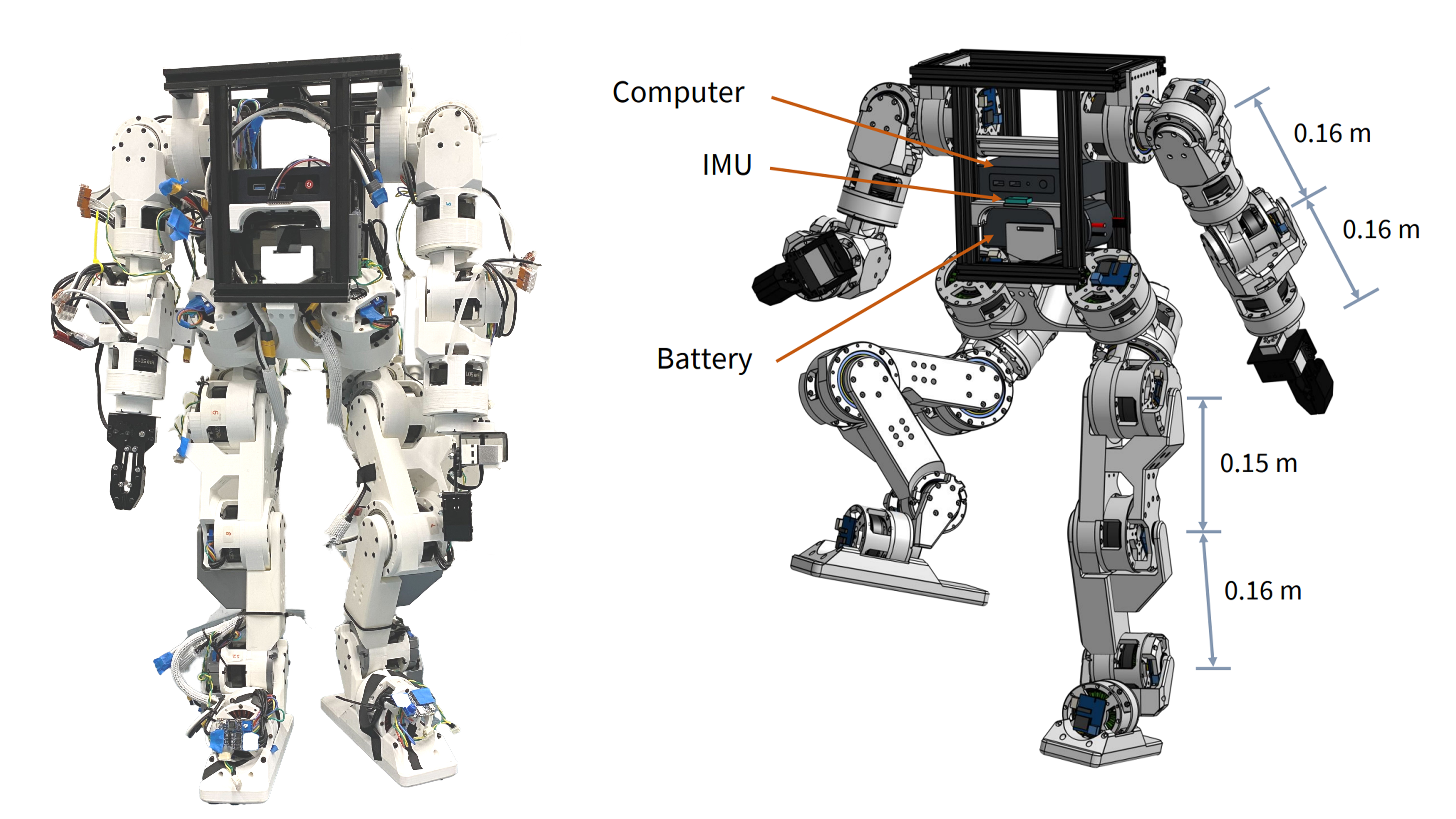
Berkeley Humanoid Lite: Affordable Open-Source Robot with DIY Actuators
Explore the Berkeley Humanoid Lite, a budget-friendly open-source robot featuring 3D-printed actuators under $5,000 USD. Learn how its modular design benefits DIY projects.

Woodstove Safety Monitor: Oru System Alerts Users to Temperature Fluctuations
Discover how the Oru woodstove assistant helps prevent dangerous chimney fires by monitoring exhaust gas temperatures and alerting users to temperature changes.
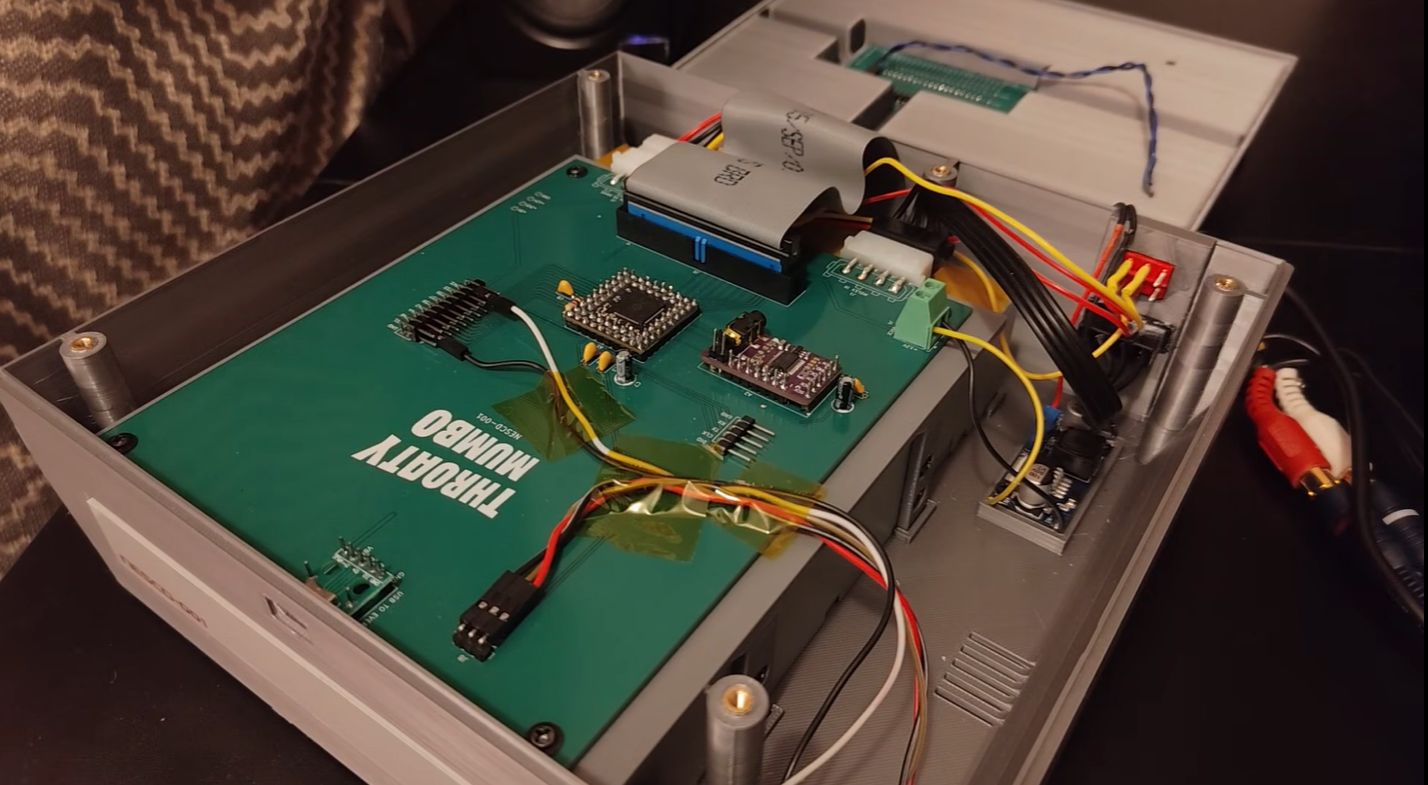
NES CD Add-On Revives 1980s Gaming with Optical Storage
Explore how a DIY project integrates a CD drive with the NES using an RP2350B microcontroller and Everdrive N8 Pro for expanded storage and audio playback.

Mumbai’s Vile Parle Cypher is giving unheard rappers a voice

Enrich and Ultimo impress

Karnataka CM Signals Review of 5% Park Land Amendment Bill in Assembly

