Apple announces App Store price changes in four countries

Apple Adjusts App Store Pricing and Tax Policies in Four Countries
Apple has announced changes to its App Store pricing and tax policies in four countries, affecting developers and consumers. The updates, detailed on the Apple Developer blog, include new or adjusted taxes in Morocco, the Republic of the Congo, and Tanzania, as well as price adjustments in Israel, Indonesia, Morocco, and the Republic of the Congo.
Effective immediately, developer proceeds will be adjusted to account for tax changes in three countries. Morocco will introduce a 20% value-added tax (VAT), while the Republic of the Congo will implement an 18% VAT. In Tanzania, the digital sales tax (DST) rate will increase from 2% to 3%.
A second round of changes will take effect on September 14, adjusting App Store prices in Israel, Indonesia, Morocco, and the Republic of the Congo. These updates will consider the newly introduced VAT rates in Morocco and the Republic of the Congo. Developers who have not selected one of these four countries as the base storefront for their app or in-app purchase will see price updates. However, prices will remain unchanged in the selected base storefront. On other storefronts, prices will be adjusted to maintain equalization with the chosen base price.
Apple has not provided specific details on the price changes but confirmed that the new prices are available in the Pricing and Availability section of App Store Connect. The company also noted that prices will not change for auto-renewable subscriptions or on storefronts where developers manually manage prices.
These adjustments are part of Apple's routine process to account for changes in tax regulations and foreign exchange rates. The company regularly reviews and updates its pricing and tax policies to comply with local laws and maintain consistency across its global platform.
Developers can access the full announcement on the Apple Developer blog for further details. The changes reflect Apple's ongoing efforts to adapt to evolving economic conditions and regulatory requirements in various markets.
Comments (0)
No comments yet — be the first to weigh in.

Energy biz SSE smacked around in court by a guy and AI
An Oxford doctoral student has defeated British energy provider SSE Energy Supply in court after utilizing artificial intelligence models to build his legal def...
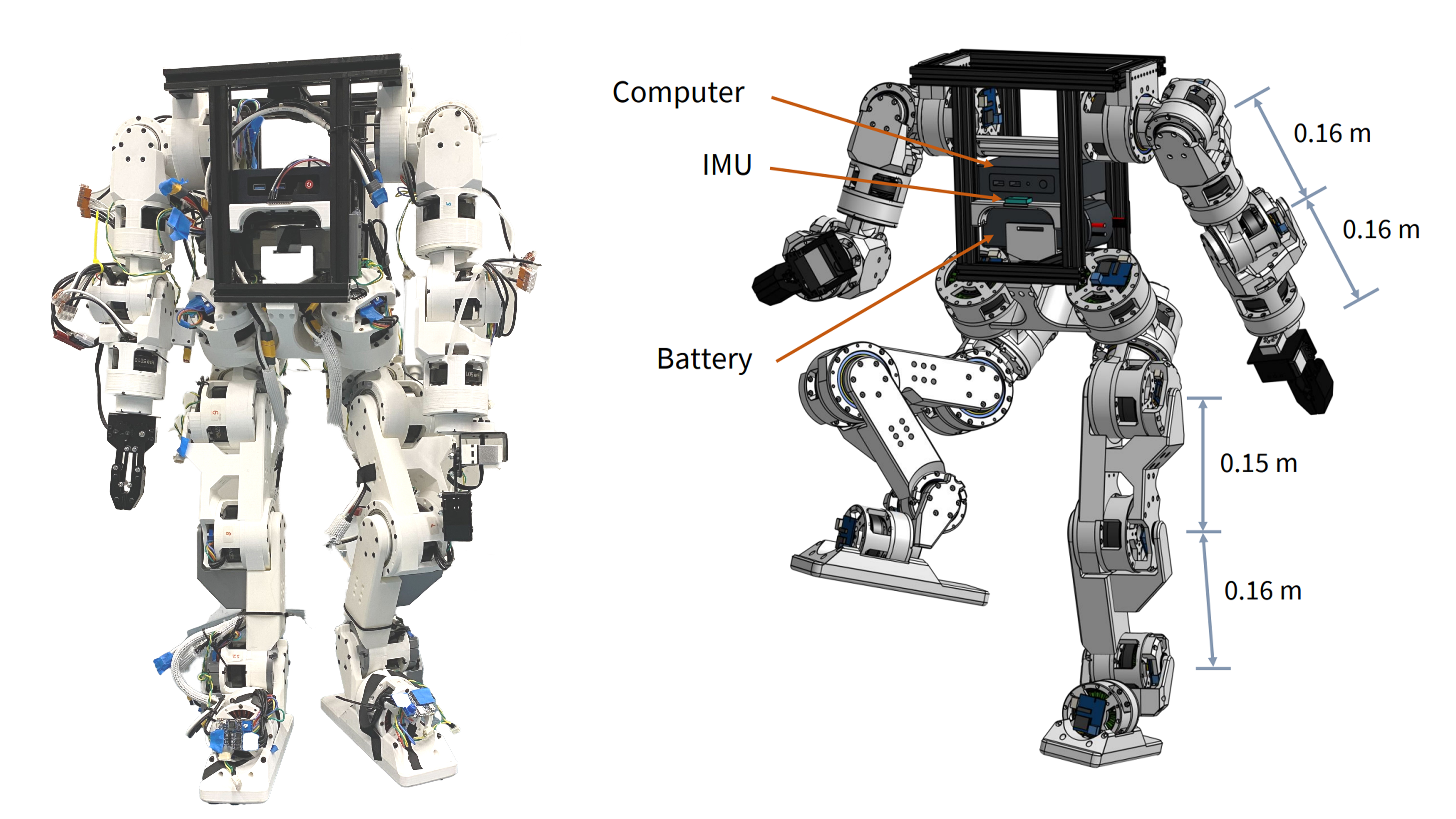
Berkeley Humanoid Lite: Affordable Open-Source Robot with DIY Actuators
Explore the Berkeley Humanoid Lite, a budget-friendly open-source robot featuring 3D-printed actuators under $5,000 USD. Learn how its modular design benefits DIY projects.

Woodstove Safety Monitor: Oru System Alerts Users to Temperature Fluctuations
Discover how the Oru woodstove assistant helps prevent dangerous chimney fires by monitoring exhaust gas temperatures and alerting users to temperature changes.

NES CD Add-On Revives 1980s Gaming with Optical Storage
Explore how a DIY project integrates a CD drive with the NES using an RP2350B microcontroller and Everdrive N8 Pro for expanded storage and audio playback.

Mumbai’s Vile Parle Cypher is giving unheard rappers a voice

Enrich and Ultimo impress

Karnataka CM Signals Review of 5% Park Land Amendment Bill in Assembly

