Artist Elizabeth Peyton Sued for Allegedly Copying Oasis Photo
Artist Elizabeth Peyton is accused of copyright infringement for a 1996 painting resembling a 1995 photograph of Oasis stars Liam and Noel Gallagher.
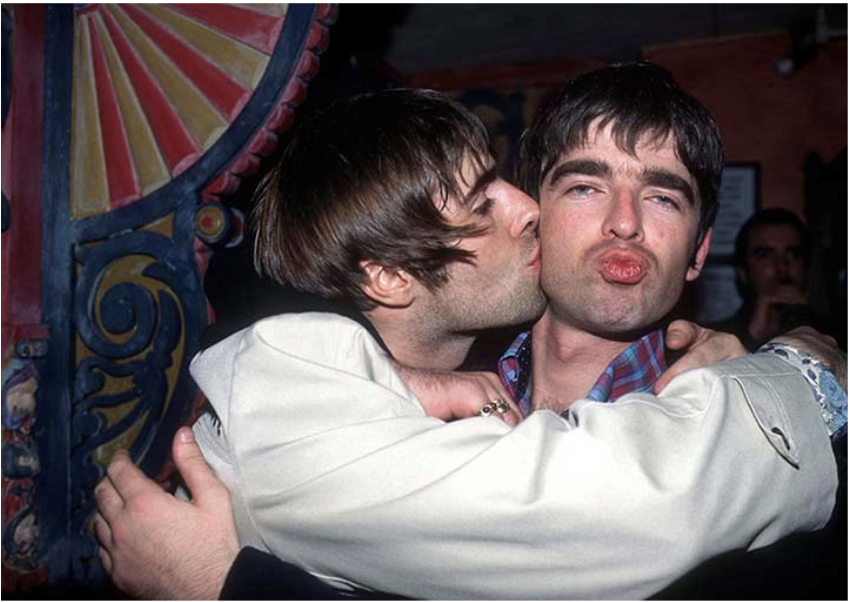
Elizabeth Peyton, a prominent contemporary artist known for her portraits of musicians and cultural figures, is facing a copyright infringement lawsuit over her 1996 painting *Earl’s Court (Liam + Noel)*, which depicts British rock icons Liam and Noel Gallagher of the band Oasis. The lawsuit, filed on August 20 in the Southern District of New York by Welsh music photographer Justin Thomas, alleges that Peyton’s work closely mimics his 1995 photograph of the Gallagher brothers without permission. The case also names David Zwirner Gallery and auction house Sotheby’s as defendants, accusing them of facilitating the unauthorized use of Thomas’s copyrighted image.
The legal dispute centers on the striking similarities between Thomas’s original photograph and Peyton’s painting. According to court documents reviewed by *Hyperallergic* and first reported by the legal blog Copyright Lately, Thomas’s attorney, Terry Parker, argues that Peyton’s work is a "slavish copy" that fails to meet the legal standard for transformative art. The filing contends that the only changes Peyton made were minor adjustments, such as cropping the image, altering the coloring, and adding brushwork—changes Parker describes as insufficient under copyright law.
Thomas’s 1995 photograph captures a rare moment of unity between the feuding Gallagher brothers, a scene that became iconic during the height of Oasis’s popularity in the UK. The image has since been reproduced in Thomas’s 2024 photography book, *How Does It Feel? – Oasis 1995/2002*, where a black-and-white print adorns the cover. The lawsuit asserts that Peyton’s painting, created in 1996, borrows too heavily from the composition, lighting, and positioning of Thomas’s original work without crediting or compensating him.
Under U.S. copyright law, a work must demonstrate significant transformation to avoid infringement claims. The plaintiffs argue that Peyton’s painting does not meet this threshold, as the core elements—such as the brothers’ poses and the overall framing—remain largely unchanged. Instead of a creative reinterpretation, they claim, Peyton’s piece is essentially a painted version of the photograph with superficial modifications.
The case raises broader questions about artistic appropriation and the boundaries of fair use in visual art. While artists often draw inspiration from existing images, legal battles over copyright infringement highlight the challenges of balancing creative freedom with the protection of original works. The outcome of this lawsuit could influence how similar cases are adjudicated in the future, particularly in instances where the alleged infringement involves portraits of high-profile figures.
David Zwirner Gallery and Sotheby’s, both named in the lawsuit, have not yet publicly responded to the allegations. Their potential liability hinges on whether they are considered liable for exhibiting or selling a work that allegedly infringes on a copyrighted image.
The lawsuit was filed just days before the statute of limitations for copyright claims would have expired, according to legal experts familiar with the case. If successful, Thomas could seek damages and injunctive relief to prevent further unauthorized use of his photograph.
#ElizabethPeyton #Oasis #CopyrightInfringement #JustinThomas #MusicPhotography #ArtLaw #GallagherBrothers
Comments (0)
No comments yet — be the first to weigh in.

Yayoi Kusama’s Death Signals a Kind Fall for Art and Humanity
Hyperallergic reflects on the passing of Yayoi Kusama, Dolly Parton, and Sliman Mansour, while exploring loneliness, AI, and art's role in a changing world.

Tessa Hulls on Her Graphic Memoir 'Feeding Ghosts' on Longform Podcast #571
Writer and artist Tessa Hulls discusses her graphic memoir Feeding Ghosts and the project she spent her life avoiding, on Longform Podcast #571.

Derek Thompson on Longform Podcast: Solving Life's Mysteries Through Writing
Derek Thompson, Atlantic staff writer and Plain English host, discusses his career as a 'dilettante' and love for uncovering mysteries in his Longform Podcast interview.
Rozina Ali on Longform Podcast #573 Discussing Her Career and Reporting
Rozina Ali, a New York Times Magazine writer and National Magazine Award winner, joins the Longform Podcast to discuss her career and latest reporting.

Mumbai’s Vile Parle Cypher is giving unheard rappers a voice

Enrich and Ultimo impress

Karnataka CM Signals Review of 5% Park Land Amendment Bill in Assembly

