Black Hat 2026: AI Dominates Security Vendor Landscape, Study Finds
Analysis of Black Hat 2026 reveals AI-driven security tools dominate the market, while detection-centric solutions remain prevalent despite unmet needs in prevention and response.
Andy Ellis, chief security officer at Akamai, has published an analysis of the cybersecurity vendor landscape at this year's Black Hat conference, highlighting trends in artificial intelligence, market segmentation, and the persistent challenges of reactive security tools.
The report notes that while nearly half of the vendors did not explicitly reference AI or autonomous agents in their marketing materials, AI is nonetheless influencing the sector. Across key segments such as identity management, SaaS security, application security (AppSec), and data protection, a majority of vendors now prominently feature AI capabilities in their product pitches. This surge reflects both the growing integration of AI technologies and the ongoing complexity of unresolved security challenges that AI is intended to address.
Ellis categorizes the vendor ecosystem into three distinct groups: detection tools that assess the extent of threats or vulnerabilities, prevention tools that block adversaries, and remediation tools that fix issues after they occur. Contrary to expectations, he observes that the market remains oversaturated with detection-focused solutions—tools that primarily report on problems rather than resolve them. “While you’d expect tools that actively stop or fix threats to dominate, the reality is that many vendors are still focused on visibility,” the report states, underscoring a persistent imbalance in the industry.
This trend highlights a broader challenge in cybersecurity: the proliferation of tools that generate data and alerts without necessarily reducing risk. Security teams are increasingly burdened by the sheer volume of alerts, many of which do not translate into actionable outcomes. The report suggests that this dynamic may be contributing to inefficiency and burnout among security professionals.
Ellis’s analysis also points to a broader shift in how security vendors position their offerings. The emphasis on AI, even when not explicitly stated, reflects a broader industry movement toward automation, predictive analytics, and adaptive response systems. Vendors are positioning AI as a means to address longstanding gaps in security efficacy, particularly in areas like cloud security, identity verification, and real-time threat detection.
The report comes at a time when the cybersecurity market continues to expand rapidly, with new vendors entering the space amid rising global cyber threats. However, Ellis’s observations suggest that innovation is not evenly distributed across the ecosystem. While AI is being used to enhance certain capabilities, the fundamental structure of the market—with its heavy reliance on detection tools—remains largely unchanged.
Ellis has shared his findings publicly as part of his ongoing engagement with the cybersecurity community. His analysis offers a critical perspective on the direction of the industry, particularly as organizations grapple with increasing sophistication in cyber threats and the need for more effective, proactive security strategies.
Comments (0)
No comments yet — be the first to weigh in.

Energy biz SSE smacked around in court by a guy and AI
An Oxford doctoral student has defeated British energy provider SSE Energy Supply in court after utilizing artificial intelligence models to build his legal def...
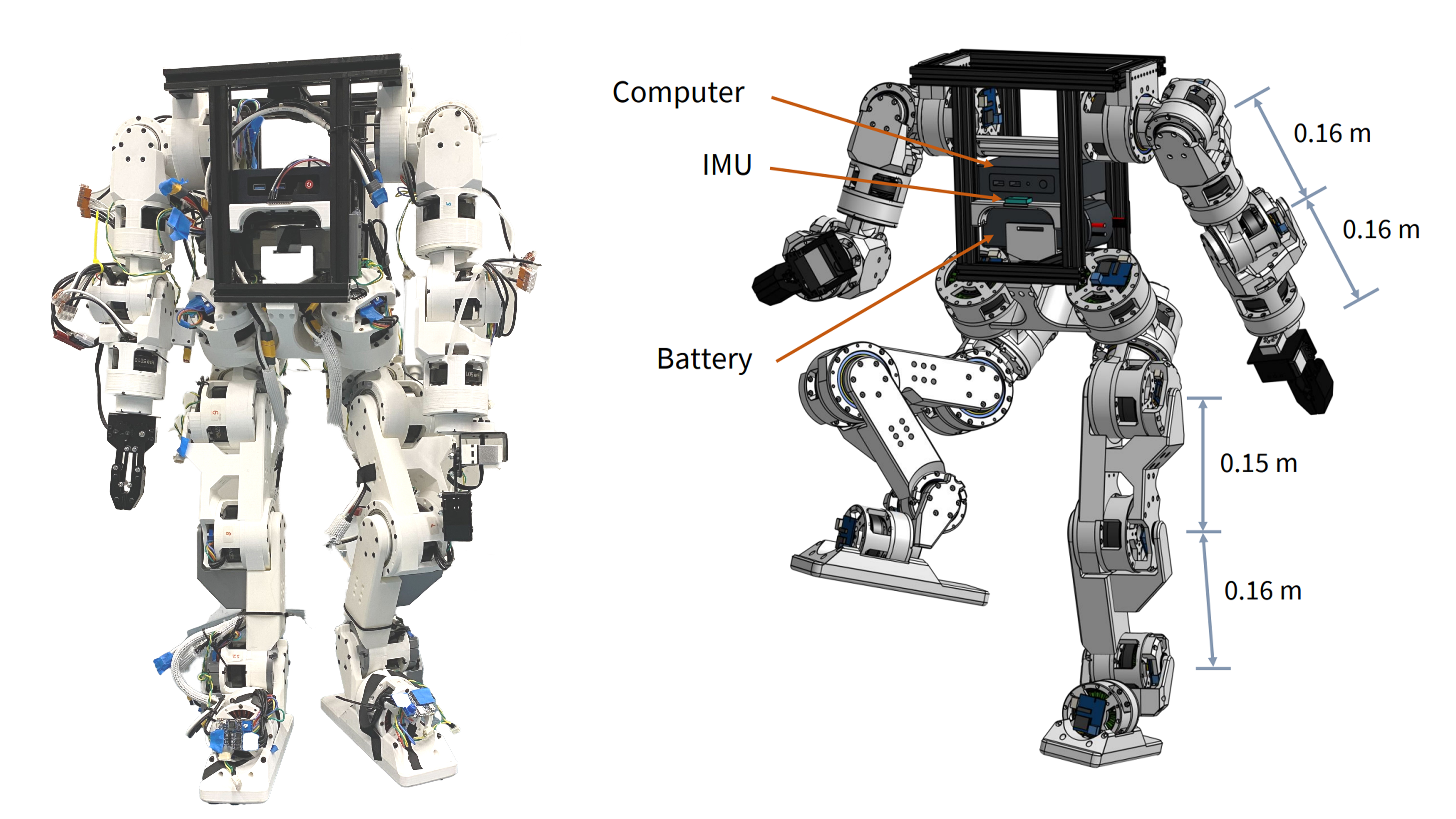
Berkeley Humanoid Lite: Affordable Open-Source Robot with DIY Actuators
Explore the Berkeley Humanoid Lite, a budget-friendly open-source robot featuring 3D-printed actuators under $5,000 USD. Learn how its modular design benefits DIY projects.

Woodstove Safety Monitor: Oru System Alerts Users to Temperature Fluctuations
Discover how the Oru woodstove assistant helps prevent dangerous chimney fires by monitoring exhaust gas temperatures and alerting users to temperature changes.
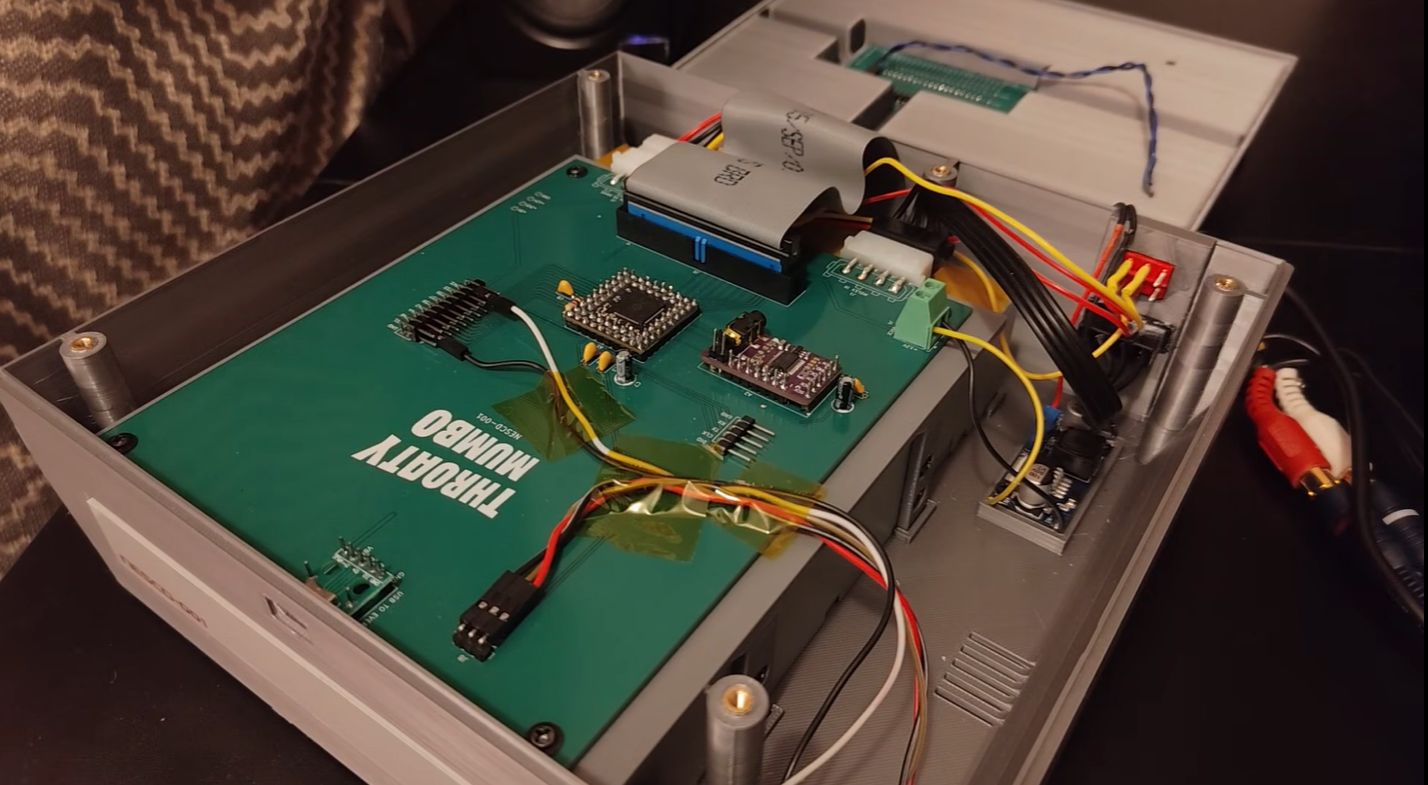
NES CD Add-On Revives 1980s Gaming with Optical Storage
Explore how a DIY project integrates a CD drive with the NES using an RP2350B microcontroller and Everdrive N8 Pro for expanded storage and audio playback.

Mumbai’s Vile Parle Cypher is giving unheard rappers a voice

Enrich and Ultimo impress

Karnataka CM Signals Review of 5% Park Land Amendment Bill in Assembly

