Ceuta-Morocco Border Crisis Escalates: New Developments and Rising Tensions
The Ceuta-Morocco border sees fresh escalation as tensions rise, with increased incidents and heightened security measures, threatening regional stability.
The Moroccan government has stepped up provocative actions along its border with the Spanish enclave of Ceuta, raising concerns of a potential escalation in a long-standing territorial dispute. On August 28, 2026, Moroccan authorities deployed additional security forces to the border area and intensified patrols, according to local reports and Spanish government sources. The move follows a series of incidents in recent weeks, including the temporary closure of border crossings and restrictions on movement for residents and commercial traffic.
The border between Morocco and Ceuta, a Spanish territory on the North African coast, has been a flashpoint for decades. Morocco has long claimed sovereignty over Ceuta and the nearby enclave of Melilla, both of which have been under Spanish control since the 15th century. The recent escalation comes amid renewed diplomatic tensions, with Morocco accusing Spain of harboring opponents of its monarchy and interfering in its internal affairs.
Spanish officials have expressed concern over the increased military presence on the Moroccan side of the border. "The situation remains calm but tense," a spokesperson for the Spanish Ministry of Foreign Affairs said. "We are monitoring developments closely and have urged all parties to exercise restraint." The European Union has also called for dialogue to prevent further deterioration of the situation.
The border crisis has broader implications for regional stability and European security. Ceuta and Melilla serve as key entry points for migrants attempting to reach Europe, and any disruption to border controls could exacerbate the flow of irregular migration. Additionally, the dispute over the enclaves has been a source of friction between Spain and Morocco, which are both strategic allies of the United States and NATO.
Analysts warn that the situation could spiral if not managed carefully. "The risk of miscalculation is high," said a senior fellow at the Barcelona Centre for International Affairs. "Both sides need to engage in constructive dialogue to avoid a full-blown crisis." The international community has also urged restraint, with the United Nations calling for a peaceful resolution to the dispute.
In recent days, Moroccan media outlets have amplified nationalist rhetoric, with some outlets describing the Spanish presence in Ceuta as an "occupation." Spanish officials have dismissed these claims, reiterating that Ceuta and Melilla are integral parts of Spain. The Moroccan government has not publicly commented on the troop movements but has previously reiterated its claims to the territories.
The European Union has reiterated its support for Spain's territorial integrity while urging both sides to avoid actions that could escalate tensions. "The EU stands by its member state, Spain, and its sovereignty over Ceuta and Melilla," a European Commission spokesperson said. "We encourage dialogue and de-escalation to ensure stability in the region."
As the situation develops, diplomats are working behind the scenes to prevent further escalation. However, with nationalist sentiments running high on both sides, the risk of a broader confrontation remains a concern for regional and international observers.
Comments (0)
No comments yet — be the first to weigh in.

Free School Uniform Swap Shop Saves Welsh Families £50m Annually
A Cardiff father's school uniform swap shop initiative has grown to 200 schools, helping Welsh families save £50m yearly while promoting sustainability and reducing clothing waste.

Poland, US Explore Permanent Military Bases: Defense Talks Underway
Poland and the US are discussing permanent American military bases in Poland, focusing on defense capabilities rather than troop numbers. Nuclear warheads are not part of the plans.

Taxpayers Lost $65B to Obamacare Fraud in 2024; Feds Crack Down
A Paragon Health Institute report reveals $65 billion in taxpayer losses due to Obamacare and Medicaid fraud in 2024, with improper enrollments rising in 2025.
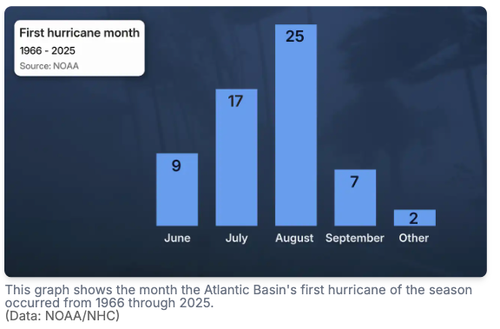
El Niño Delaying 2026 Atlantic Hurricane Season as Dolly Nears Florida
El Niño's wind shear suppresses 2026 Atlantic hurricane activity, delaying first hurricane as Tropical Storm Dolly's remnants approach Florida and the Caribbean.

Mumbai’s Vile Parle Cypher is giving unheard rappers a voice

Enrich and Ultimo impress

Karnataka CM Signals Review of 5% Park Land Amendment Bill in Assembly

