China's AI Future: Familiar Surprises in a Different Landscape
A recent trip to China reveals surprising parallels in AI development between the U.S. and China, challenging common perceptions of technological rivalry and regulation.

A delegation of leaders from media, technology, public policy, and finance recently returned from a weeklong trip to China, where they examined the country’s artificial intelligence and robotics industries. The visit, organized by Rest of World, aimed to assess how China’s approach to AI compares with global debates about innovation, regulation, and deployment.
The trip began with a visit to an art exhibition in Beijing by Belgian conceptual artist Carsten Höller, titled “Two.” The exhibit, which randomly assigns visitors through identical black-and-white and color spaces, served as a metaphor for the perceived differences between the U.S. and China in AI development. While Western discussions often frame the competition as a binary choice—open versus closed, diffusion versus frontier, large language models versus world models—observers on the ground found the distinctions less clear-cut.
During conversations with researchers, policymakers, and industry leaders, one theme emerged repeatedly: China’s aggressive push to integrate AI into physical industries such as robotics, manufacturing, electric vehicles, and embodied intelligence. Some attributed this focus to necessity, as export controls have limited access to advanced chips, while others saw it as a strategic choice. One researcher argued that data, not hardware, has become the primary constraint in AI development, suggesting that recent U.S. export restrictions may be addressing outdated concerns.
Unlike the U.S., where debates often revolve around frontier capabilities and the ethical risks of unchecked innovation, Chinese discussions frequently centered on deployment speed and scalability. Analysts noted that AI safety in China is increasingly treated as a national security issue, with advanced AI viewed as a strategic asset rather than merely a consumer technology. The country’s ability to move quickly stems, in part, from a political system with fewer constraints on state power and individual liberties, as evidenced by widespread surveillance infrastructure.
The delegation observed how China is leveraging its strengths in manufacturing and infrastructure to embed AI into daily life. At a Huawei flagship store in Shanghai, electric vehicles occupied the space where an Apple Store might display its Genius Bar. Meanwhile, Xiaomi, a company originally known for smartphones, has rapidly expanded into EV manufacturing, even turning its factories into tourist attractions with robotic assembly lines. These examples underscore China’s pivot from frontier AI models to practical, large-scale deployment—a shift some argue could prove more impactful than owning the most advanced technology.
As the trip concluded, the parallels between China’s AI ecosystem and global counterparts became harder to ignore. Each innovation—a faster smartphone, a robot-operated café, a sleek electric vehicle—was a familiar concept refracted through a different political and economic lens. The differences were anticipated; the similarities were not. The visit left observers with a sense of déjà vu, challenging the notion that China’s AI future is fundamentally distinct from the rest of the world’s.
Comments (0)
No comments yet — be the first to weigh in.

Energy biz SSE smacked around in court by a guy and AI
An Oxford doctoral student has defeated British energy provider SSE Energy Supply in court after utilizing artificial intelligence models to build his legal def...
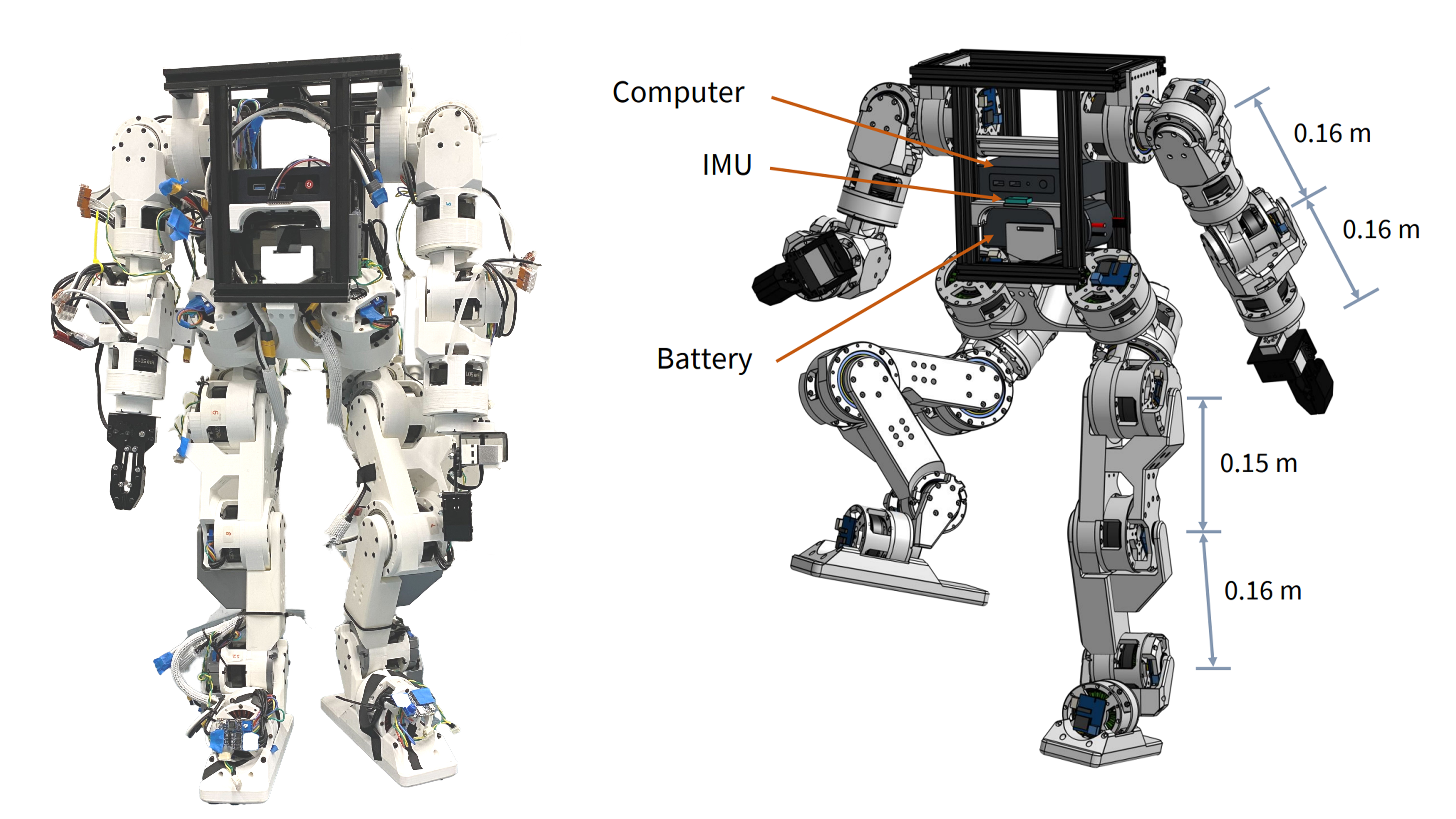
Berkeley Humanoid Lite: Affordable Open-Source Robot with DIY Actuators
Explore the Berkeley Humanoid Lite, a budget-friendly open-source robot featuring 3D-printed actuators under $5,000 USD. Learn how its modular design benefits DIY projects.

Woodstove Safety Monitor: Oru System Alerts Users to Temperature Fluctuations
Discover how the Oru woodstove assistant helps prevent dangerous chimney fires by monitoring exhaust gas temperatures and alerting users to temperature changes.
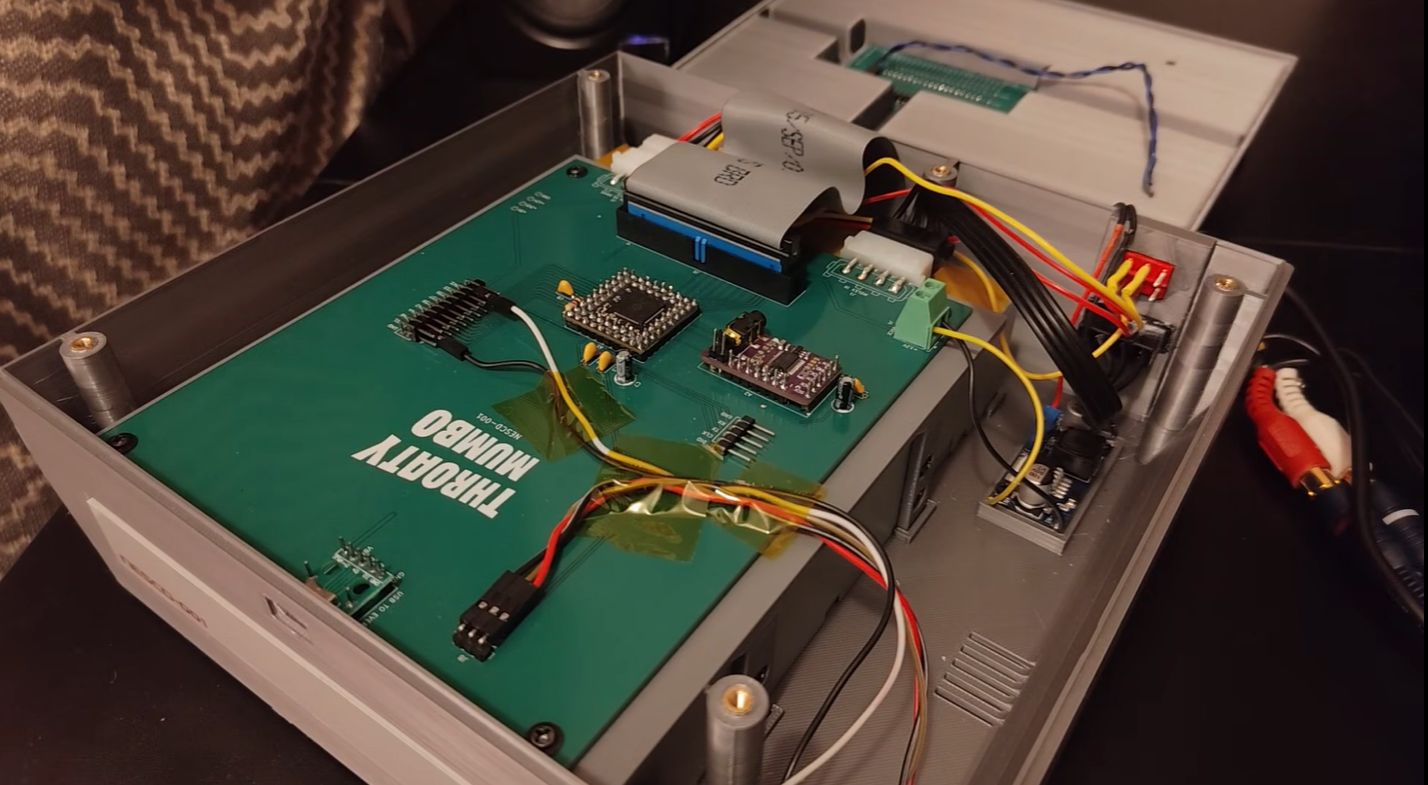
NES CD Add-On Revives 1980s Gaming with Optical Storage
Explore how a DIY project integrates a CD drive with the NES using an RP2350B microcontroller and Everdrive N8 Pro for expanded storage and audio playback.

Mumbai’s Vile Parle Cypher is giving unheard rappers a voice

Enrich and Ultimo impress

Karnataka CM Signals Review of 5% Park Land Amendment Bill in Assembly

