Climate Crisis Threatens Europe's Food Supply Chains and Supermarket Shelves
Europe's food systems face growing threats from climate change, geopolitical instability, and supply chain fragilities, exacerbating food insecurity and inequality across the continent.
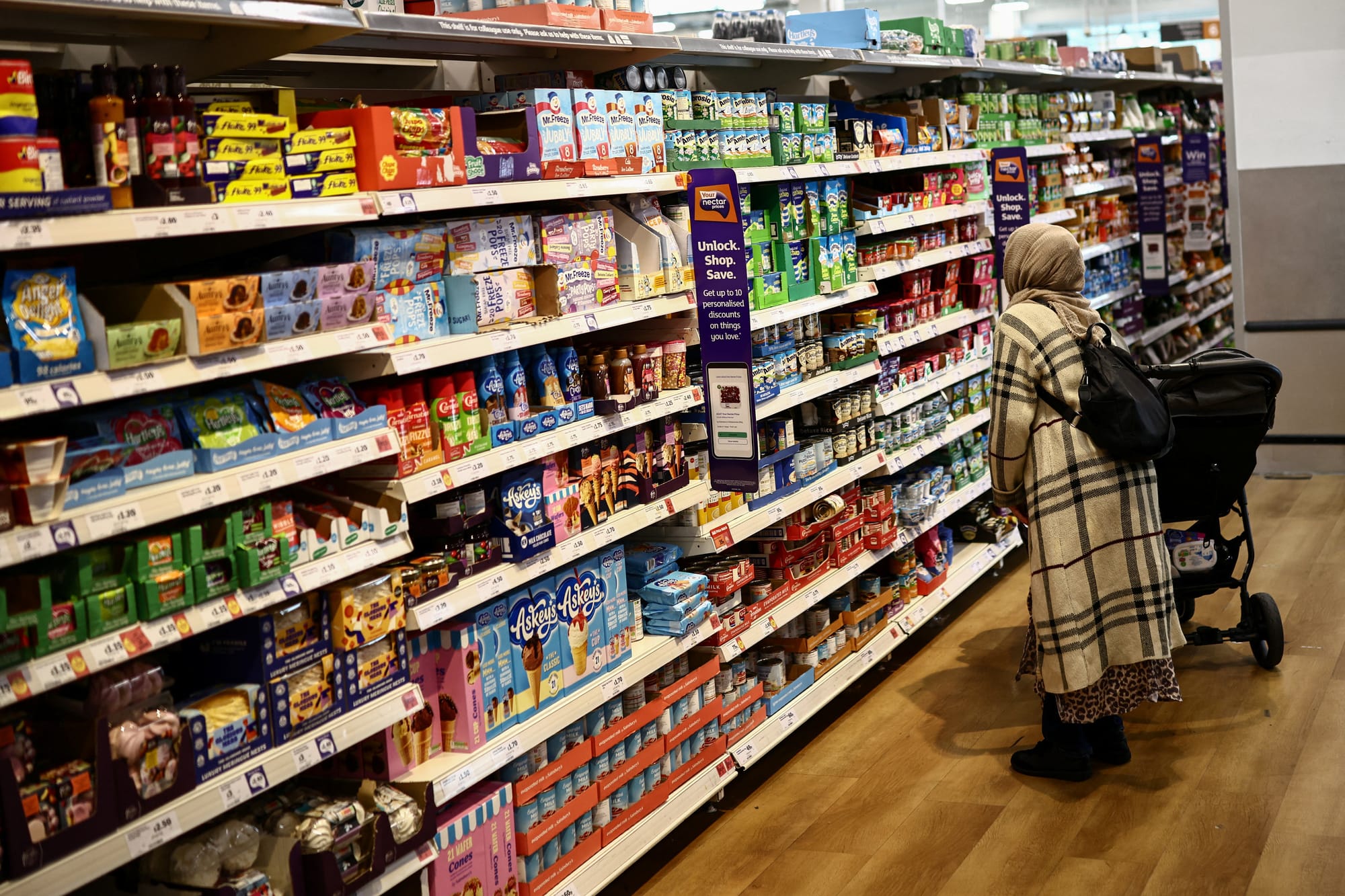
Europe faces growing threats to its food supply as climate change intensifies, with extreme weather disrupting agriculture and fragile supply chains raising concerns about long-term food security.
Wildfires across the continent, including record-breaking heat in the UK, highlight the accelerating impacts of climate change. Farmers report declining crop yields due to drought and rising temperatures, exposing vulnerabilities in a system optimized for profit rather than resilience. The UK’s reliance on imports—£14.4 billion worth of vegetables and fruit in 2024, half of its fresh vegetable supply—reveals the dangers of dependence on distant, interconnected supply chains.
A government report in December 2024 warned that the UK’s "just-in-time" food system, with minimal stockpiles and heavy reliance on uninterrupted transport, is highly susceptible to climate shocks, geopolitical instability, and rising costs. While diversified supply chains can enhance resilience, the current model risks widespread shortages when multiple suppliers face simultaneous disruptions.
Food security extends beyond mere availability—it requires reliable access to nutritious, affordable food for all. Nearly 10% of UK households experienced food insecurity in the year ending March 2025, with 19% of low-income families affected. Over nine million people now rely on food banks, illustrating how supply chain vulnerabilities disproportionately impact vulnerable communities.
Food deserts—areas lacking fresh produce but saturated with fast food and convenience stores—compound the problem. The World Health Organization notes that unhealthy foods are often cheaper, more accessible, and heavily marketed, pushing consumers toward poor dietary choices. Experts argue for stronger government intervention, including fiscal policies and restrictions on marketing unhealthy foods to children.
Food systems contribute roughly a third of global greenhouse gas emissions, with agriculture and land use as major drivers. Yet those least responsible for shaping the system—farmers facing price squeezes, workers on unstable wages, and low-income families—bear the greatest burdens. Farmers need better infrastructure, resilient seeds, fair pricing, and long-term policy support rather than being left to absorb climate-related risks alone.
Local initiatives demonstrate alternatives. The "Queen of Greens," a mobile greengrocer in Liverpool and Knowsley, delivers affordable fresh produce to underserved communities. Over 250 families visited weekly in 2023, with operations expanding to 25 locations. The model shows that accessibility, affordability, and flexible packaging—such as loose produce—encourage healthier choices. Universities and local authorities are evaluating its potential to address dietary inequality.
Experts recommend broader systemic changes, including reduced business rates for healthy food businesses, expanded community markets, and integrating food security into climate, health, and housing policies. National governments should treat food systems as critical infrastructure, alongside energy and water.
The climate crisis is already straining food production, with parched fields, failed harvests, and volatile supply chains. Experts argue that food security requires systemic reform—not individual responsibility. A resilient food system would be more localized, sustainable, and equitable, prioritizing health, dignity, and ecological limits over maximum efficiency and profit.
Food is a fundamental societal need, not just a commodity. Ensuring security in a warming world demands treating food as a democratic issue, with communities, workers, and farmers shaping a fairer system.
Comments (0)
No comments yet — be the first to weigh in.

Iran-US Tensions Escalate Amid Hormuz Strait Crisis – Live Updates
Iranian President Pezeshkian seeks diplomatic solutions with global leaders at SCO summit in Kyrgyzstan amid rising US tensions over Hormuz Strait.

Search continues for 18 passengers after ferry capsized in northern Cyprus
Search and rescue operations are continuing off the coast of Kyrenia in northern Cyprus after a passenger ferry capsized and sank on Sunday, leaving at least ei...

Swiss Man Arrested After Deadly Rave Shooting Kills Italian Woman
A 43-year-old Swiss suspect has been arrested after a shooting at a techno rave in Aarau left one woman dead and several others injured. Authorities continue their investigation.

England attack's 2005 comparisons fair - Trescothick
England’s new pace attack is drawing comparisons to the legendary Ashes-winning quartet of 2005, according to interim head coach Marcus Trescothick. The current...

Mumbai’s Vile Parle Cypher is giving unheard rappers a voice

Enrich and Ultimo impress

Karnataka CM Signals Review of 5% Park Land Amendment Bill in Assembly

