Colman's Mustard up for Sale as Unilever-McCormick Merger Looms
Colman's Mustard, a Norfolk icon, is on the market as Unilever prepares to merge with McCormick in a £48bn deal. The sale aims to ease competition concerns.

Unilever has placed the historic British condiment brand Colman's Mustard up for sale ahead of a proposed merger with American food manufacturer McCormick, in a deal estimated to be worth £48 billion.
The decision to sell the brand was made to proactively resolve potential regulatory competition concerns. McCormick currently owns French's, which is one of the world's leading rival mustard brands.
A spokesperson for Unilever stated that the company decided to market the Colman's brand and its assets to prospective buyers to address competition issues resulting from the planned combination of Unilever Foods and McCormick. The spokesperson noted that discussions regarding the sale are ongoing and that business operations are continuing as usual.
The broader merger agreement will see McCormick take control of several major household names currently under Unilever's food portfolio, including Hellmann's, Marmite, Knorr, and Pot Noodle. Following the transaction, Unilever intends to shift its strategic focus toward its home and personal care business, retaining brands such as Dove, Persil, and Lynx.
Colman's Mustard has a deep historical connection to Norfolk, dating back to its establishment in 1814 by Jeremiah Colman at Stoke Holy Cross. Production was relocated to Carrow in 1858, where the brand operated a major factory for 160 years.
During its time operating in Norwich, the firm was notable for its extensive cradle-to-grave employee welfare program. Colman's provided education, housing, healthcare, and leisure activities for its workforce and their families. The company built a dedicated school on Carrow Hill for employees' children in 1864, constructed terraced housing believed to feature doors painted in the brand's signature mustard yellow, and even provided coffins for deceased workers.
Unilever announced the closure of the long-standing Carrow plant in January 2018. The final jar of mustard was produced at the Norwich facility in 2019, and the site officially closed in 2020. Unilever subsequently moved its manufacturing operations for the brand to Burton-on-Trent and to facilities in Germany.
The 42-acre site in Carrow has remained vacant since the 2020 closure and has been earmarked for future residential development, with plans to construct thousands of homes. Meanwhile, the brand's agricultural roots in Norfolk have been maintained by Condimentum, a business operating out of the Food Enterprise Park in Easton, near Norwich, which produces the raw materials required for Colman's products.
Comments (0)
No comments yet — be the first to weigh in.

Free School Uniform Swap Shop Saves Welsh Families £50m Annually
A Cardiff father's school uniform swap shop initiative has grown to 200 schools, helping Welsh families save £50m yearly while promoting sustainability and reducing clothing waste.

Poland, US Explore Permanent Military Bases: Defense Talks Underway
Poland and the US are discussing permanent American military bases in Poland, focusing on defense capabilities rather than troop numbers. Nuclear warheads are not part of the plans.
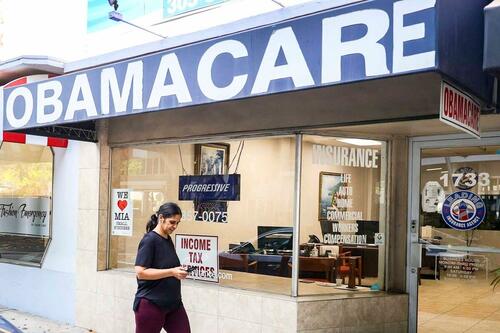
Taxpayers Lost $65B to Obamacare Fraud in 2024; Feds Crack Down
A Paragon Health Institute report reveals $65 billion in taxpayer losses due to Obamacare and Medicaid fraud in 2024, with improper enrollments rising in 2025.
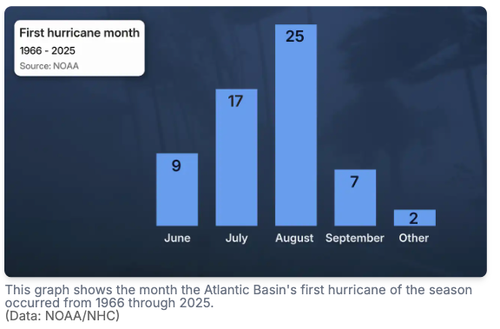
El Niño Delaying 2026 Atlantic Hurricane Season as Dolly Nears Florida
El Niño's wind shear suppresses 2026 Atlantic hurricane activity, delaying first hurricane as Tropical Storm Dolly's remnants approach Florida and the Caribbean.

Mumbai’s Vile Parle Cypher is giving unheard rappers a voice

Enrich and Ultimo impress

Karnataka CM Signals Review of 5% Park Land Amendment Bill in Assembly

