Criminal Deception in Silicon Valley
Entrepreneurial fraud cases have risen markedly in Silicon Valley over the past two decades, prompting new research into how founders deceive investors and the public. A study published on August 24, 2026, examines court records of Silicon Valley startups and their executives prosecuted for fraud between 2000 and 2023. The findings describe a systematic pattern of deception in which entrepreneurs create and maintain misleading appearances—referred to as “façading”—to conceal underperformance while projecting an image of rapid growth.
Researchers identify three escalating forms of façading based on the discrepancy between investor expectations and venture performance. Surface façading occurs when minor gaps exist, requiring only superficial misrepresentation, such as embellished financial projections or selective disclosure. As the gap widens, entrepreneurs turn to reinforced façading, which involves coordinated efforts to manipulate data, suppress negative information, or mislead through intermediaries like PR firms or consultants. At the most extreme level, deep façading involves elaborate, long-term schemes to fabricate revenue, customers, or even entire business operations through forged contracts, fake transactions, or shell entities.
The study argues that the severity of the deception increases with the size of the expectation-reality gap. Entrepreneurs facing minor shortfalls may exaggerate modestly, but those confronting significant underperformance engage in increasingly sophisticated and illegal tactics to preserve the illusion of success. This pattern reflects a strategic effort to detach a venture’s public image from its actual operational reality, often to secure continued funding, maintain valuations, or attract acquisition offers.
To address the growing threat of such deception, researchers propose several policy and educational reforms. They recommend expanding oversight by the U.S. Securities and Exchange Commission, including enhanced surveillance of private markets and strengthened whistleblower protections to encourage reporting of suspicious activity. The study also calls for reforms in investor due diligence practices, urging greater scrutiny of financial claims and background checks on founding teams. Additionally, it suggests targeted entrepreneurship education to help founders, investors, and stakeholders recognize the legal and ethical boundaries between aggressive business practices and criminal deception.
The research contributes to broader academic discussions on cultural entrepreneurship, organizational misconduct, and the broader social consequences of entrepreneurial behavior. By mapping the mechanisms of deception, the study aims to inform regulators, investors, and educators in mitigating fraud risks in high-stakes innovation ecosystems. While Silicon Valley remains a global leader in technology and venture capital, the findings underscore the need for vigilance in distinguishing genuine innovation from carefully constructed illusions.
Comments (0)
No comments yet — be the first to weigh in.

Energy biz SSE smacked around in court by a guy and AI
An Oxford doctoral student has defeated British energy provider SSE Energy Supply in court after utilizing artificial intelligence models to build his legal def...
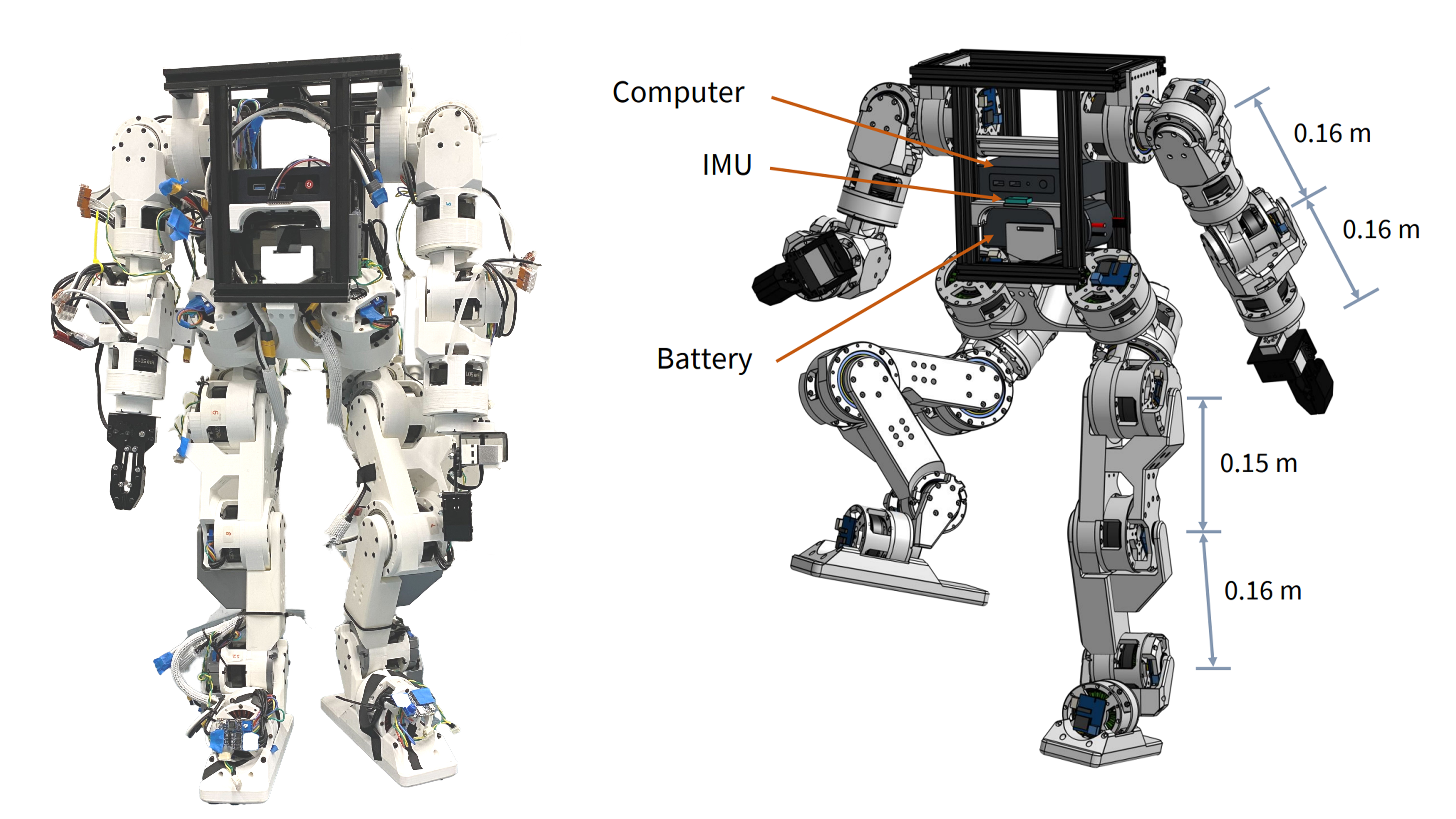
Berkeley Humanoid Lite: Affordable Open-Source Robot with DIY Actuators
Explore the Berkeley Humanoid Lite, a budget-friendly open-source robot featuring 3D-printed actuators under $5,000 USD. Learn how its modular design benefits DIY projects.

Woodstove Safety Monitor: Oru System Alerts Users to Temperature Fluctuations
Discover how the Oru woodstove assistant helps prevent dangerous chimney fires by monitoring exhaust gas temperatures and alerting users to temperature changes.

NES CD Add-On Revives 1980s Gaming with Optical Storage
Explore how a DIY project integrates a CD drive with the NES using an RP2350B microcontroller and Everdrive N8 Pro for expanded storage and audio playback.

Mumbai’s Vile Parle Cypher is giving unheard rappers a voice

Enrich and Ultimo impress

Karnataka CM Signals Review of 5% Park Land Amendment Bill in Assembly

