DC Jury Mistrials Over MS-13 Leaders Highlight Judicial Challenges
Two extradited MS‑13 leaders face repeated DC jury mistrials, raising questions about impartiality, judge Royce Lamberth’s rulings and the DOJ’s strategy.
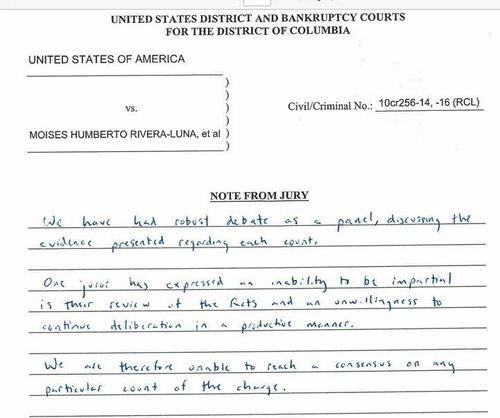
A federal jury in Washington, D.C., declared a mistrial for the second time in less than five months in the racketeering conspiracy case against two alleged MS-13 leaders, highlighting ongoing challenges for prosecutors in securing convictions from local juries. The defendants, Moises Rivera-Luna and Tokiro Ramirez, both pleaded not guilty to charges stemming from a 2011 federal indictment that accused them of directing criminal activity in the nation’s capital and surrounding areas. The case has drawn attention not only for its legal complexities but also for the broader implications of jury behavior in politically charged prosecutions under the administration of President Donald Trump.
U.S. District Court Judge Royce Lamberth, a Reagan appointee with decades of experience on the federal bench, expressed rare bewilderment at the jury deadlock during proceedings in April 2025. The trial, which began in December 2025, marked the first time the two men faced prosecution after being extradited from Central America—Rivera-Luna from Guatemala in March 2025 and Ramirez from Honduras in 2022. The indictment alleged that the pair, described as international leaders of MS-13, used prison communications to coordinate violent activities, including narcotics distribution, extortion, and targeted killings of gang members cooperating with law enforcement.
Despite robust debate among jurors, the first trial ended in a mistrial on December 17, 2025, when the jury foreperson disclosed an inability to reach unanimity due to one juror’s refusal to deliberate further. The second trial, which began in April 2026, concluded in another mistrial after jurors again failed to reach a verdict. Judge Lamberth expressed concern over potential jury misconduct, noting that one juror had openly declared an unwillingness to agree on a verdict from the outset.
Jeanine Pirro, the U.S. Attorney for the District of Columbia, has faced repeated setbacks in her efforts to secure convictions in high-profile cases before D.C. juries. Since taking office, Pirro has presided over a sharp decline in conviction rates compared to her predecessor, Matthew Graves, who served during the Biden administration. Under Graves, prosecutors secured a 100 percent conviction rate for January 6 defendants, including high-profile figures like Steve Bannon and Peter Navarro, who were swiftly sentenced to prison. In contrast, Pirro’s office has seen multiple acquittals and hung juries in federal cases, including the dismissal of charges against the so-called “Seditious Six.”
Judge Lamberth, who presided over numerous January 6 cases and sent many defendants to prison, has publicly questioned the shift in jury behavior. His remarks suggest frustration with the disparity, though critics argue the judicial environment in Washington, D.C., has become increasingly politicized. With a third trial scheduled for next month, the outcome remains uncertain amid ongoing debates about jury nullification and the influence of political sentiment in the nation’s capital.
#MS13 #DCJury #Racketeering #JeaninePirro #RoyceLamberth #MS13Leaders #FederalProsecution #WashingtonDC
Comments (0)
No comments yet — be the first to weigh in.

Free School Uniform Swap Shop Saves Welsh Families £50m Annually
A Cardiff father's school uniform swap shop initiative has grown to 200 schools, helping Welsh families save £50m yearly while promoting sustainability and reducing clothing waste.
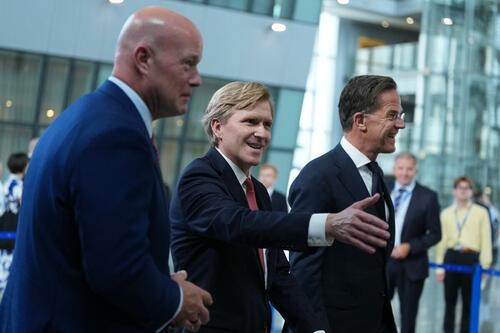
Poland, US Explore Permanent Military Bases: Defense Talks Underway
Poland and the US are discussing permanent American military bases in Poland, focusing on defense capabilities rather than troop numbers. Nuclear warheads are not part of the plans.
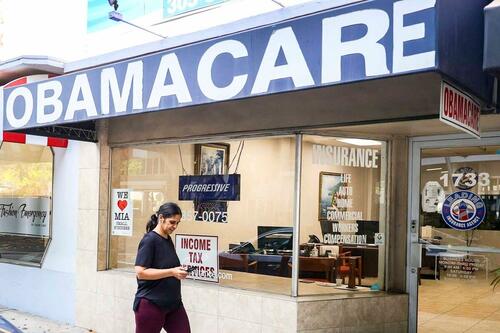
Taxpayers Lost $65B to Obamacare Fraud in 2024; Feds Crack Down
A Paragon Health Institute report reveals $65 billion in taxpayer losses due to Obamacare and Medicaid fraud in 2024, with improper enrollments rising in 2025.
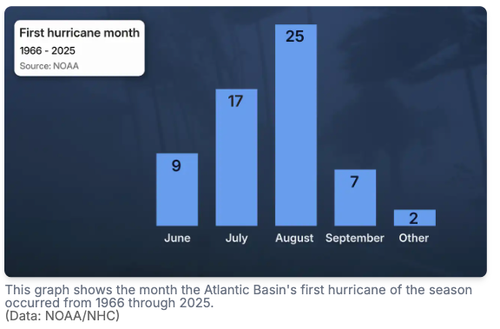
El Niño Delaying 2026 Atlantic Hurricane Season as Dolly Nears Florida
El Niño's wind shear suppresses 2026 Atlantic hurricane activity, delaying first hurricane as Tropical Storm Dolly's remnants approach Florida and the Caribbean.

Mumbai’s Vile Parle Cypher is giving unheard rappers a voice

Enrich and Ultimo impress

Karnataka CM Signals Review of 5% Park Land Amendment Bill in Assembly

