🚫 Don't Let Congress Age-Gate the Internet | EFFector 38.13
The U.S. Congress is advancing legislation critics warn could fundamentally alter online expression and privacy under the guise of child protection. The recently approved KIDS Act, a sweeping House proposal, would impose new restrictions on internet content and user data collection. Digital rights advocates, including the Electronic Frontier Foundation (EFF), argue the bill relies on surveillance and censorship rather than genuine safety measures.
The KIDS Act, which cleared the House last month, bundles multiple proposals aimed at regulating online platforms. Supporters, including several lawmakers and child safety organizations, contend stronger controls are necessary to shield minors from harmful content. However, opponents—led by the San Francisco-based EFF—say the bill’s approach threatens free speech and user privacy by encouraging excessive monitoring of online activity.
EFF Senior Policy Analyst Joe Mullin highlighted concerns in a recent analysis, stating the legislation could force platforms to age-gate large portions of the internet, effectively restricting access based on age verification. Such systems often require government IDs or biometric scans, raising fears of mass data collection and identity theft risks. Mullin emphasized that while protecting children is a shared priority, the KIDS Act’s methods risk overreach.
The bill arrives amid ongoing national debates over online safety and platform accountability. Earlier this year, the Supreme Court ruled in favor of stronger location privacy protections, a decision EFF celebrated as a victory for civil liberties. Yet at the federal level, momentum appears to be building behind more invasive measures. The KIDS Act’s passage through the House signals growing bipartisan interest in regulating digital spaces, even as civil society groups warn of unintended consequences.
EFF has long opposed policies that expand surveillance under the banner of safety. For over three decades, the organization’s EFFector newsletter has tracked issues at the intersection of technology, law, and digital rights. The latest issue devotes significant attention to the KIDS Act, framing it as part of a broader trend toward internet “age-gating” that could reshape online expression.
Critics point out that age verification systems disproportionately affect marginalized communities and may not actually improve child safety. Many platforms already offer parental controls and reporting tools—features advocates say are more effective and less privacy-invasive than blanket surveillance. EFF argues that Congress should prioritize these alternatives instead of expanding government oversight of digital platforms.
The EFFector podcast series features in-depth discussions on the KIDS Act, including an episode with Joe Mullin exploring potential outcomes if the bill becomes law. Available on all major podcast platforms, the series aims to inform the public about legislative threats to digital freedoms. The EFF encourages readers to follow its newsletter for updates and opportunities to take action.
Individuals concerned about online privacy and access to an open internet can support EFF’s work through donations and advocacy. The organization continues to oppose the KIDS Act, urging policymakers to adopt solutions that protect both children and civil liberties without sacrificing fundamental rights.
#KIDSAct #OnlineSafety #DigitalRights #EFF #InternetPrivacy #SurveillanceReform #FreeSpeech
Comments (0)
No comments yet — be the first to weigh in.

Energy biz SSE smacked around in court by a guy and AI
An Oxford doctoral student has defeated British energy provider SSE Energy Supply in court after utilizing artificial intelligence models to build his legal def...
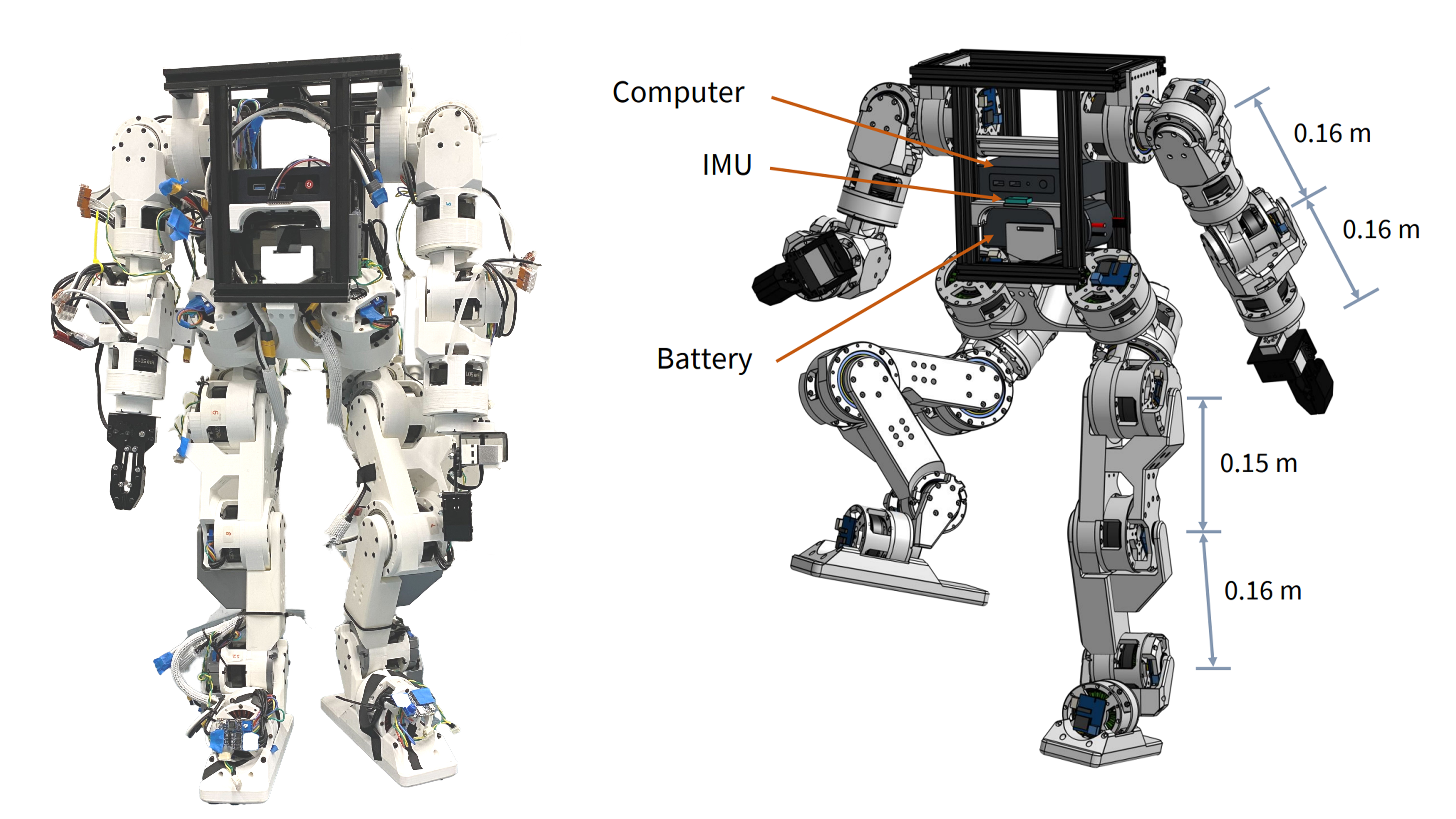
Berkeley Humanoid Lite: Affordable Open-Source Robot with DIY Actuators
Explore the Berkeley Humanoid Lite, a budget-friendly open-source robot featuring 3D-printed actuators under $5,000 USD. Learn how its modular design benefits DIY projects.

Woodstove Safety Monitor: Oru System Alerts Users to Temperature Fluctuations
Discover how the Oru woodstove assistant helps prevent dangerous chimney fires by monitoring exhaust gas temperatures and alerting users to temperature changes.
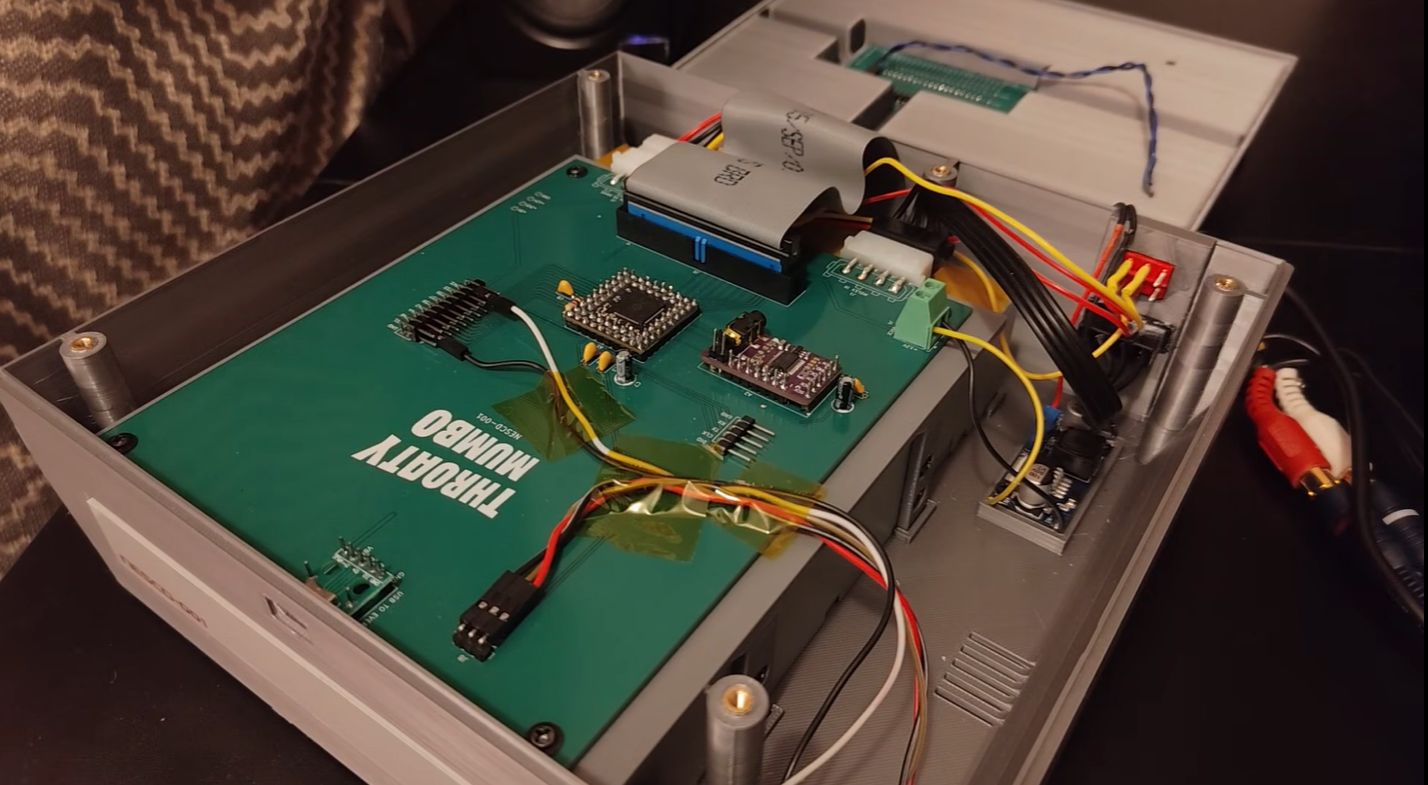
NES CD Add-On Revives 1980s Gaming with Optical Storage
Explore how a DIY project integrates a CD drive with the NES using an RP2350B microcontroller and Everdrive N8 Pro for expanded storage and audio playback.

Mumbai’s Vile Parle Cypher is giving unheard rappers a voice

Enrich and Ultimo impress

Karnataka CM Signals Review of 5% Park Land Amendment Bill in Assembly

