Drought leaves 'barely any apples' to make cider
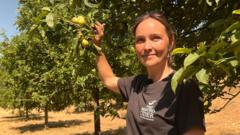
Somerset cider producers are facing severe apple crop losses following a prolonged summer drought, with some traditional orchards yielding as little as 10 percent of their normal harvest.
Trees across the region have suffered intense stress from lack of water, causing them to drop unripe fruit prematurely or fail to produce apples entirely. While the prolonged warm weather boosted retail cider sales and drained existing inventory, producers warn they now face significant difficulty refilling their tanks for next year.
Kimberly Jones of Honey's Cider, located near Bath, said her 25-year-old orchard experienced its driest year on record. Because her company produces cider strictly from fresh annual juice rather than industrial apple concentrate, overall production will drop significantly. Jones noted that the orchard might receive 10 percent of its normal crop, which she described as a generous estimate. She added that while everyone likes a cold cider on a hot day, growers are struggling to produce fruit for the coming year.
Similar disruptions are affecting larger commercial operations across Somerset. George Scott, master cider maker at Rich's Cider near Highbridge, stated that yields in some orchards are too low to justify using harvesting machinery, leaving the dropped fruit for sheep. Scott noted that nearby contract growers have seen harvests fall from 200 tonnes down to roughly 30 tonnes. Although existing reserves will cover current demand, Scott expressed concern that continued drought will further strain trees in subsequent seasons.
In Shepton Mallet, Neil MacDonald, who manages more than 1,000 acres of orchards, reported losing approximately half of his crop. MacDonald explained that drought-stressed trees dumped fruit onto the ground, where it rotted prior to ripening. Harvesters at his farm were deployed weeks early simply to collect decayed fruit for compost heaps rather than cider production. MacDonald noted that while hot weather emptied their tanks, they lack sufficient fruit to replenish them.
Climate scientists indicate that these conditions represent a long-term shift. Met Office climate scientist Mike Kendon stated that weather patterns previously considered extreme are increasingly being viewed as normal.
The ongoing weather challenges are forcing cider makers to rethink long-term operations. Unlike fresh fruit growers supplying supermarkets, cider producers traditionally do not use large-scale irrigation systems due to the high costs involved over hundreds of acres.
Furthermore, recent mild winters have hindered key apple varieties like the Dabinett, which requires a cold snap to produce fruit and gives traditional Somerset cider its signature bittersweet taste. In response, growers have begun irrigating young trees and grafting heat-resistant apple varieties onto established roots, a transition that industry experts say could ultimately alter the flavor profile of West Country cider.
Comments (0)
No comments yet — be the first to weigh in.

Free School Uniform Swap Shop Saves Welsh Families £50m Annually
A Cardiff father's school uniform swap shop initiative has grown to 200 schools, helping Welsh families save £50m yearly while promoting sustainability and reducing clothing waste.

Poland, US Explore Permanent Military Bases: Defense Talks Underway
Poland and the US are discussing permanent American military bases in Poland, focusing on defense capabilities rather than troop numbers. Nuclear warheads are not part of the plans.

Taxpayers Lost $65B to Obamacare Fraud in 2024; Feds Crack Down
A Paragon Health Institute report reveals $65 billion in taxpayer losses due to Obamacare and Medicaid fraud in 2024, with improper enrollments rising in 2025.
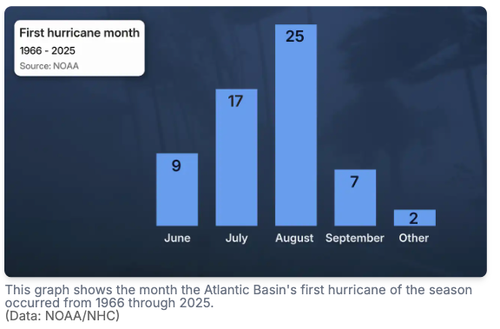
El Niño Delaying 2026 Atlantic Hurricane Season as Dolly Nears Florida
El Niño's wind shear suppresses 2026 Atlantic hurricane activity, delaying first hurricane as Tropical Storm Dolly's remnants approach Florida and the Caribbean.

Mumbai’s Vile Parle Cypher is giving unheard rappers a voice

Enrich and Ultimo impress

Karnataka CM Signals Review of 5% Park Land Amendment Bill in Assembly

