EFF Urges FTC to Withdraw Controversial AI Policy Proposal Over Free Speech Concerns
The Electronic Frontier Foundation (EFF) and partners urge the FTC to withdraw its AI policy proposal, citing First Amendment violations, overreach of legal authority, and threats to free speech.

The Electronic Frontier Foundation (EFF) is urging the Federal Trade Commission (FTC) to withdraw a controversial proposal that critics say could stifle free speech and undermine state-level AI regulations. In a joint filing with Public Knowledge and Fight for the Future, the EFF argues that the FTC’s proposed policy statement on AI accuracy would violate constitutional protections, overstep federal authority, and encourage improper government influence over private companies.
The FTC released its proposal in July, framing it as a way to prevent "suppression of accuracy" in artificial intelligence systems. However, the policy builds on an executive order issued during the Trump administration that sought to restrict AI models based on ideological preferences. The EFF and its partners warn that the proposal could lead the FTC to act as an unaccountable arbiter of truth, judging which AI outputs meet vague standards of accuracy while disregarding free speech protections under the First Amendment.
A key concern is the proposal’s potential to override state laws governing AI use. The filing specifically highlights Colorado’s automated decision-making law, which regulates AI in high-stakes areas like employment, housing, and healthcare. The EFF argues that the FTC lacks the legal authority to preempt such state laws, as Congress has not delegated this power. The policy’s criticism of Colorado’s law, the groups say, mischaracterizes its intent and could set a dangerous precedent for federal overreach.
The proposed policy is also criticized for its vagueness, which could allow the government to pressure companies into censoring speech that aligns with partisan viewpoints. The term "jawboning," used in the filing, refers to government efforts to coerce private actors into suppressing disfavored expression. The EFF notes that the FTC itself admits difficulty in defining "bias," raising concerns that the policy would lead to arbitrary enforcement based on subjective standards.
Rather than policing AI models, the EFF urges the FTC to focus on its core mission: protecting consumers from deceptive practices and promoting fair competition in the tech industry. The groups emphasize that genuine threats to consumers—such as fraud and anticompetitive behavior—should take priority over government-mandated ideological conformity in AI systems.
The EFF and its partners have long opposed government interference in private speech while advocating for accountability in technology markets. They argue that the FTC’s proposal undermines these principles and should be withdrawn.
#FTC #AIregulation #EFF #FirstAmendment #TechPolicy #AIethics #FederalTradeCommission #ColoradoAIlaw
Comments (0)
No comments yet — be the first to weigh in.

Energy biz SSE smacked around in court by a guy and AI
An Oxford doctoral student has defeated British energy provider SSE Energy Supply in court after utilizing artificial intelligence models to build his legal def...
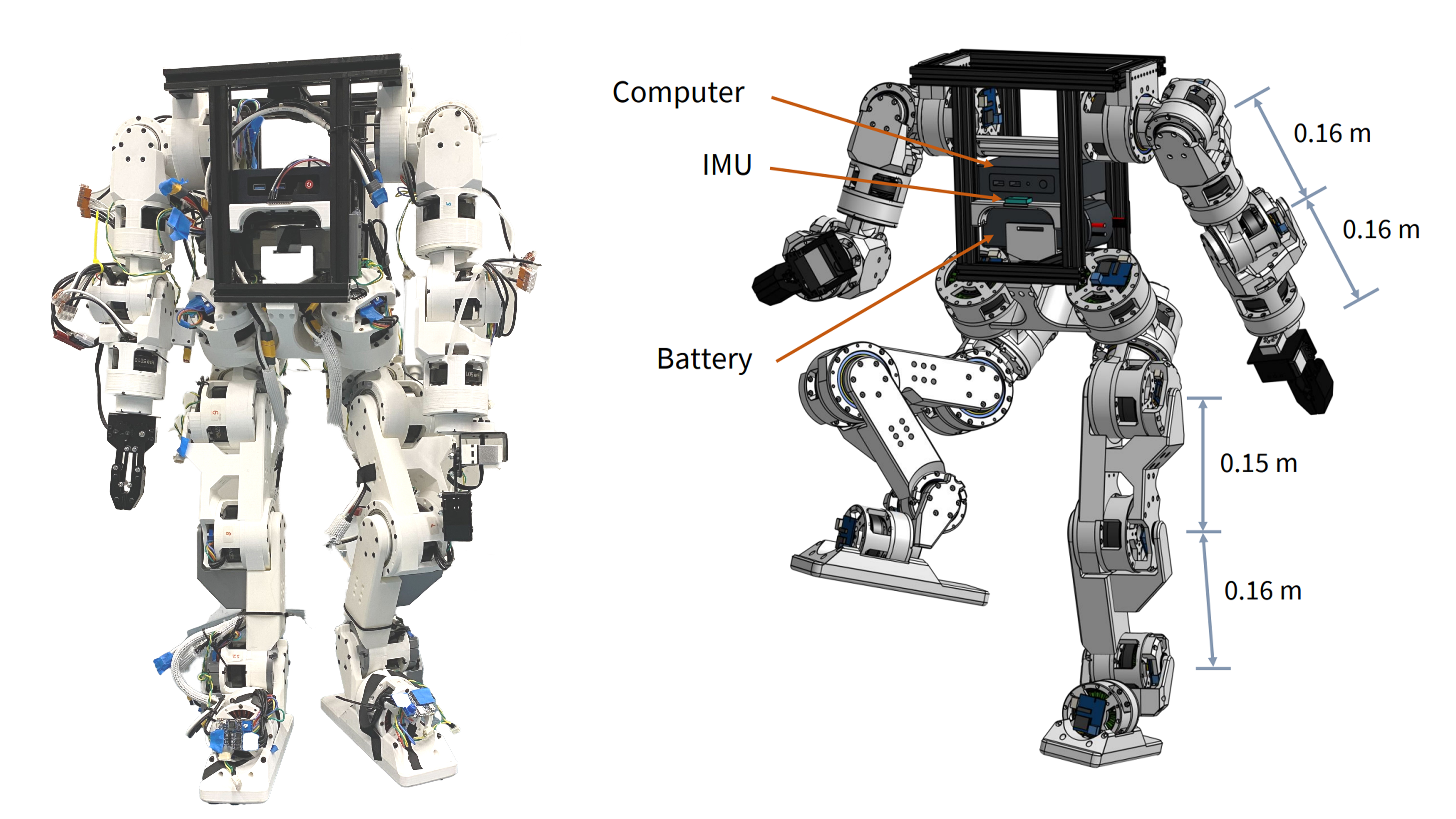
Berkeley Humanoid Lite: Affordable Open-Source Robot with DIY Actuators
Explore the Berkeley Humanoid Lite, a budget-friendly open-source robot featuring 3D-printed actuators under $5,000 USD. Learn how its modular design benefits DIY projects.

Woodstove Safety Monitor: Oru System Alerts Users to Temperature Fluctuations
Discover how the Oru woodstove assistant helps prevent dangerous chimney fires by monitoring exhaust gas temperatures and alerting users to temperature changes.

NES CD Add-On Revives 1980s Gaming with Optical Storage
Explore how a DIY project integrates a CD drive with the NES using an RP2350B microcontroller and Everdrive N8 Pro for expanded storage and audio playback.

Mumbai’s Vile Parle Cypher is giving unheard rappers a voice

Enrich and Ultimo impress

Karnataka CM Signals Review of 5% Park Land Amendment Bill in Assembly

