Electric landscaping tools gain ground amid noise and emissions concerns
US cities push for quieter, cleaner electric gardening equipment, but high costs and limited battery life challenge adoption. Innovations emerge as firms like Whisper Aero and Stihl invest in battery-powered solutions.

Electric landscaping equipment is shifting from petrol to battery power, driven by noise‑reduction regulations, lower emissions and longer working hours in quiet neighbourhoods. Cities across the United States are banning gasoline leaf blowers or encouraging the use of electric alternatives, prompting manufacturers to innovate and landscapers to weigh the trade‑offs.
The transition is already visible in southern California, where a training session run by the American Green Zone Alliance (AGZA) demonstrated the use of a lightweight electric backpack leaf blower. The device was reported to be no heavier than a standard rucksack and produced a higher‑pitched but quieter buzz than conventional petrol models. AGZA founder Dan Mabe noted that the machine was “ultra‑quiet yet powerful, that the brain has a hard time understanding what’s happening,” highlighting the appeal of electric tools for neighbourhoods that demand silence.
New entrants are entering the market. Whisper Aero, a U.S. aerospace start‑up that specialises in electric propulsion systems for aircraft, has adapted its aerospace‑grade fans for leaf blowers. Director of air management Andrew Terajewicz said the company’s technology is cleaner, quieter and more efficient than existing air‑moving solutions. The handheld blower, priced at the high end of the electric range, offers up to 15 minutes of full‑power runtime on a single battery and has already attracted online pre‑orders.
Whisper Aero plans to expand its product line to include a backpack version that would suit professional landscapers. However, the company acknowledges that petrol machines remain attractive for heavy‑duty work. Terajewicz pointed out that heavy‑duty petrol backpack blowers can generate about 50 newtons of blowing force, roughly double the power of Whisper Aero’s handheld unit. Runtime is also a concern; electric tools typically run for 15–30 minutes at full throttle before the battery must be swapped or recharged.
California landscaper supervisor Carlos Camarena explained that his company uses electric tools only when required by city ordinances. When petrol machines are available, they are preferred because they deliver higher power and longer runtime. Camarena’s crew uses batteries that last about 30 minutes, and the company maintains six batteries in rotation, each taking 45 minutes to charge. The upfront cost of converting to electric equipment is significant: one landscaper estimated a $10,000 investment to replace an entire fleet. While some local governments offer subsidies and rebates, they may not fully offset the expense, especially for sole proprietors with limited storage and charging space.
Despite these challenges, major power‑tool manufacturers are investing heavily in battery technology. Stihl, a German company headquartered in Germany, aims for battery‑powered equipment to account for 35% of its sales by 2025 and 80% by 2035. The company has opened a plant in Romania dedicated to batteries and tools and announced a new high‑performance battery system in May that uses tabless lithium cells. According to Stihl’s Paul Hicks, the new cells deliver 60% more peak power than standard cells, allowing faster charging and lighter batteries. Hicks also noted that, in most cases, battery‑powered tools pay off quickly because of fuel savings.
Industry analysts say that the move to electric landscaping equipment will continue as cities enforce stricter noise and emissions regulations. While petrol machines may persist for the near future due to their power and runtime advantages, the growing availability of quieter, cleaner alternatives and the backing of large manufacturers are likely to accelerate adoption. The shift represents a broader trend toward electrification in outdoor and industrial tools, offering both environmental benefits and operational flexibility for professionals and municipalities alike.
Comments (0)
No comments yet — be the first to weigh in.

Free School Uniform Swap Shop Saves Welsh Families £50m Annually
A Cardiff father's school uniform swap shop initiative has grown to 200 schools, helping Welsh families save £50m yearly while promoting sustainability and reducing clothing waste.

Poland, US Explore Permanent Military Bases: Defense Talks Underway
Poland and the US are discussing permanent American military bases in Poland, focusing on defense capabilities rather than troop numbers. Nuclear warheads are not part of the plans.

Taxpayers Lost $65B to Obamacare Fraud in 2024; Feds Crack Down
A Paragon Health Institute report reveals $65 billion in taxpayer losses due to Obamacare and Medicaid fraud in 2024, with improper enrollments rising in 2025.
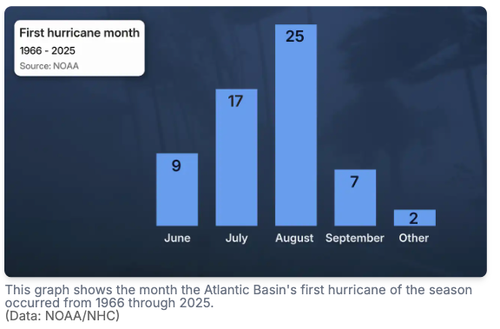
El Niño Delaying 2026 Atlantic Hurricane Season as Dolly Nears Florida
El Niño's wind shear suppresses 2026 Atlantic hurricane activity, delaying first hurricane as Tropical Storm Dolly's remnants approach Florida and the Caribbean.

Mumbai’s Vile Parle Cypher is giving unheard rappers a voice

Enrich and Ultimo impress

Karnataka CM Signals Review of 5% Park Land Amendment Bill in Assembly

