England is burning: We must fix our fragile food system
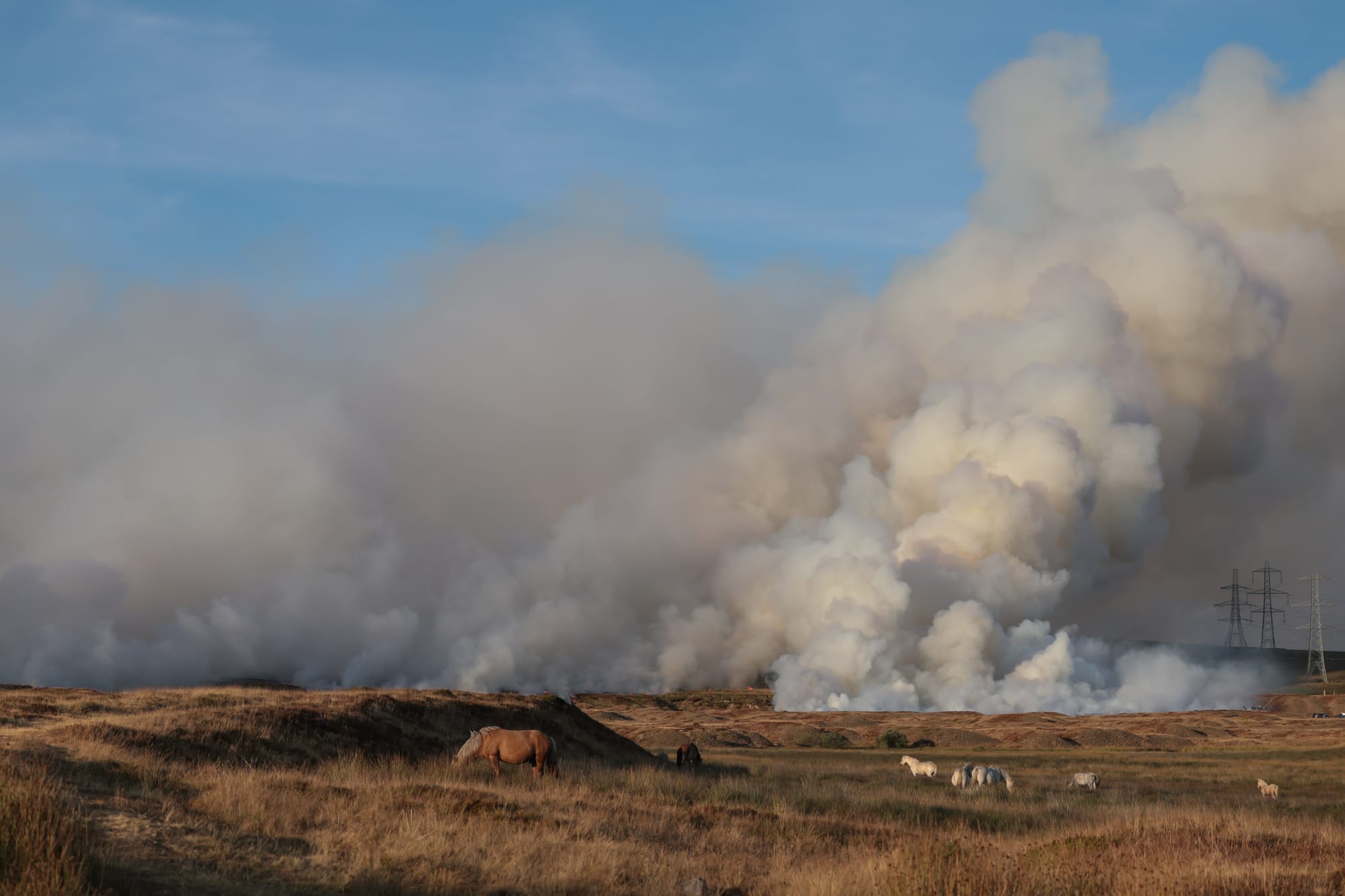
England faces escalating food security threats as record heat and drought devastate farms
England is enduring its fifth heatwave of the summer, with thousands of hectares scorched by wildfires and vast areas of farmland turned brown and parched. The extreme weather has pushed the nation’s fragile food system to a breaking point, with farmers warning of the worst harvest on record. The crisis has already disrupted food production, triggered price increases, and exposed deep vulnerabilities in the country’s agricultural infrastructure.
This summer’s unprecedented temperatures and prolonged drought have delivered a severe blow to both arable and livestock farmers. Crops are being harvested weeks ahead of schedule, while grass growth has stalled, forcing farmers to use winter feed supplies prematurely. With much of Europe facing similar conditions, reduced domestic and imported food availability is expected to drive up supermarket prices in the coming months. Many families on low incomes are likely to feel the impact most acutely as food becomes less affordable.
In response, the government led by Andy Burnham has introduced short-term measures such as banning disposable barbecues to reduce wildfire risks. However, experts argue that a much broader response is needed—one that addresses the long-term sustainability of food production. Without systemic change, England risks a downward spiral of declining harvests, failing farms, and sharply rising food costs.
Agricultural leaders point to soil health and water management as the cornerstones of a resilient food system. Decades of intensive farming, relying heavily on chemical inputs and synthetic fertilizers, have depleted soil quality and reduced its ability to retain moisture. Healthy, organic-rich soils act like sponges, storing water during wet periods and making it available during dry spells. This not only supports crop growth but also lowers wildfire risks by keeping vegetation hydrated.
Scientists warn that England must prepare for more extreme weather cycles—long droughts punctuated by intense rainfall—patterns that are becoming increasingly common. Yet, many farmers lack the financial resources to adopt sustainable practices on their own. Despite operating asset-rich businesses, they often operate on slim profit margins, making it difficult to invest in long-term resilience.
The Nature Friendly Farming Network, representing farmers committed to sustainable agriculture, has called for urgent government support. It urges increased funding for agri-environment schemes that reward farmers for practices benefiting soil, water, and biodiversity. Farmers warn that cuts to environmental standards in public food procurement would send the wrong signal and undermine progress toward sustainable food systems.
Major food businesses also have a key role to play by investing in nature-friendly farming and reducing reliance on just-in-time supply chains heavily dependent on fossil fuels. Transitioning to low-carbon, regenerative agriculture could help stabilize food production, lower emissions, and restore biodiversity.
The consequences of inaction are clear: shrinking harvests, soaring food prices, and the collapse of farm businesses. This summer’s images of parched fields and burning countryside, coupled with farmers’ candid assessments of the existential threats they face, should serve as a final warning.
Climate scientists agree that summers like 2026 will become the norm. The question is no longer whether England must adapt, but how quickly it can do so before the damage becomes irreversible.
#FoodSecurity #ClimateCrisis #FarmingUK #SustainableAgriculture #WaterManagement #FoodPrices #AndyBurnham
Comments (0)
No comments yet — be the first to weigh in.

Iran-US Tensions Escalate Amid Hormuz Strait Crisis – Live Updates
Iranian President Pezeshkian seeks diplomatic solutions with global leaders at SCO summit in Kyrgyzstan amid rising US tensions over Hormuz Strait.

Search continues for 18 passengers after ferry capsized in northern Cyprus
Search and rescue operations are continuing off the coast of Kyrenia in northern Cyprus after a passenger ferry capsized and sank on Sunday, leaving at least ei...

Swiss Man Arrested After Deadly Rave Shooting Kills Italian Woman
A 43-year-old Swiss suspect has been arrested after a shooting at a techno rave in Aarau left one woman dead and several others injured. Authorities continue their investigation.

England attack's 2005 comparisons fair - Trescothick
England’s new pace attack is drawing comparisons to the legendary Ashes-winning quartet of 2005, according to interim head coach Marcus Trescothick. The current...

Mumbai’s Vile Parle Cypher is giving unheard rappers a voice

Enrich and Ultimo impress

Karnataka CM Signals Review of 5% Park Land Amendment Bill in Assembly

