EU Court Ruling on Platform Liability Threatens Online Free Speech Protections
A recent EU Court of Justice ruling on platform liability could undermine free expression by exposing social media and search engines to greater legal risks over user content.
The European Union Court of Justice’s recent ruling in the Coyote System case could significantly reshape intermediary liability protections for online platforms, raising concerns among digital rights advocates about its impact on freedom of expression. The case, which involved a navigation system transmitting user-generated alerts about roadside checks, introduced a broad interpretation of what constitutes "control" over user content that could extend beyond its immediate context.
Online platforms, including social media networks and search engines, have long relied on liability protections under EU law. The e-Commerce Directive and the Digital Services Act (DSA) generally shield these platforms from legal responsibility for user-posted content, provided they remain neutral intermediaries. Platforms only lose these protections if they play an "active role" in managing illegal content. However, the Coyote System ruling suggests that any algorithmic curation—such as organizing or ranking content—could disqualify a platform from liability exemptions, even if the content itself remains unchanged.
The case centered on a navigation system that aggregated user reports into a real-time alert system for drivers, a service distinct from social media or content recommendation algorithms. Yet, the Court’s reasoning did not explicitly limit its implications to this narrow context. Advocates warn that if applied broadly, the ruling could force platforms to proactively monitor and remove lawful speech to avoid legal risks, undermining the DSA’s carefully balanced framework.
The Digital Services Act, which took full effect in 2024, explicitly preserves intermediary liability protections while imposing due diligence obligations on platforms. The DSA’s preamble even references prior Court rulings, such as YouTube, which affirmed that algorithmic ranking does not automatically strip platforms of legal protections. The Coyote System decision, however, appears to conflict with this approach by equating algorithmic organization with content control, a departure from established legal principles.
Digital rights organizations, including the Electronic Frontier Foundation (EFF), argue that the ruling risks destabilizing online free expression. The case follows a pattern of recent judgments, such as Russmedia and AGCOM, which have progressively narrowed intermediary liability protections. Legal experts caution that the European Commission may incorporate the Coyote System ruling into future legislation, further eroding safeguards for digital speech.
The broader implications remain unclear as national courts begin applying the decision. However, the ruling’s expansive language leaves open the possibility that platforms could face legal liability simply for optimizing how content is displayed, regardless of its legality. This could lead to over-censorship, where platforms remove benign or lawful material to avoid legal exposure, chilling public discourse in the EU.
#EU #CoyoteSystem #DigitalServicesAct #IntermediaryLiability #FreedomOfExpression #OnlinePlatforms #EFF #CourtOfJustice
Comments (0)
No comments yet — be the first to weigh in.

Energy biz SSE smacked around in court by a guy and AI
An Oxford doctoral student has defeated British energy provider SSE Energy Supply in court after utilizing artificial intelligence models to build his legal def...
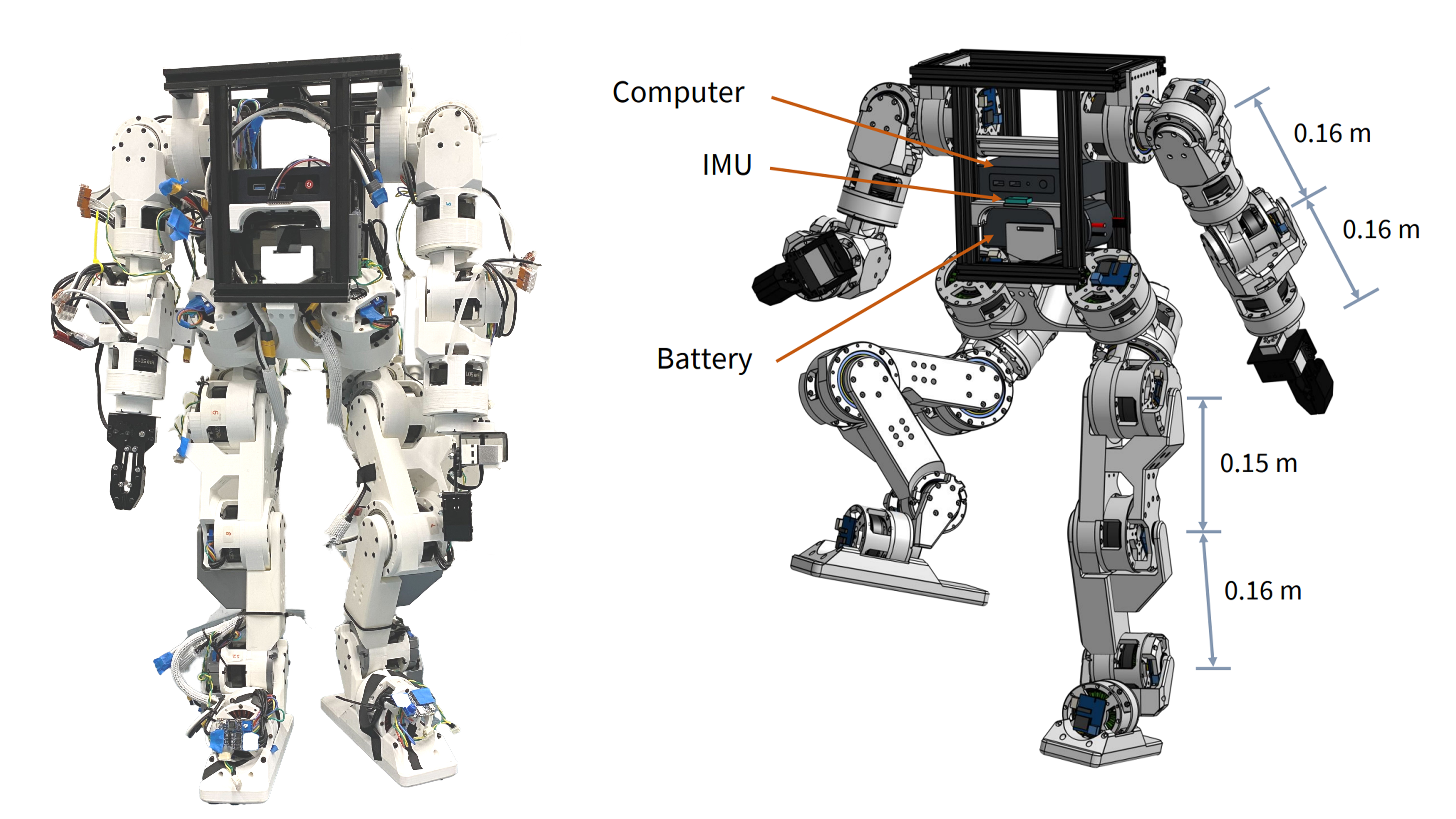
Berkeley Humanoid Lite: Affordable Open-Source Robot with DIY Actuators
Explore the Berkeley Humanoid Lite, a budget-friendly open-source robot featuring 3D-printed actuators under $5,000 USD. Learn how its modular design benefits DIY projects.

Woodstove Safety Monitor: Oru System Alerts Users to Temperature Fluctuations
Discover how the Oru woodstove assistant helps prevent dangerous chimney fires by monitoring exhaust gas temperatures and alerting users to temperature changes.
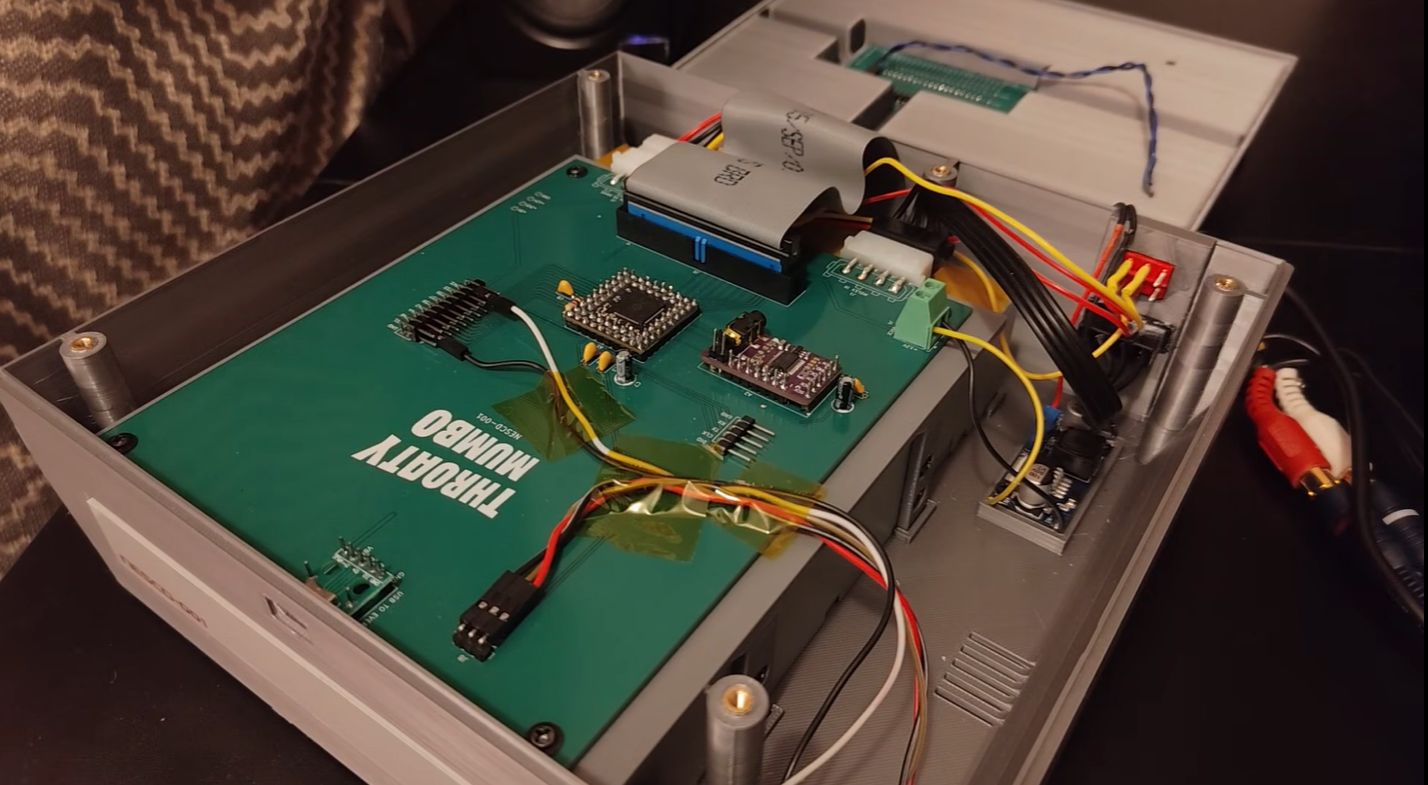
NES CD Add-On Revives 1980s Gaming with Optical Storage
Explore how a DIY project integrates a CD drive with the NES using an RP2350B microcontroller and Everdrive N8 Pro for expanded storage and audio playback.

Mumbai’s Vile Parle Cypher is giving unheard rappers a voice

Enrich and Ultimo impress

Karnataka CM Signals Review of 5% Park Land Amendment Bill in Assembly

