Europe Faces Deadly Heatwaves as Governments Delay Climate Action
Europe's accelerating heatwaves are causing record deaths, yet governments continue to delay climate action despite clear warnings and rising fatalities.
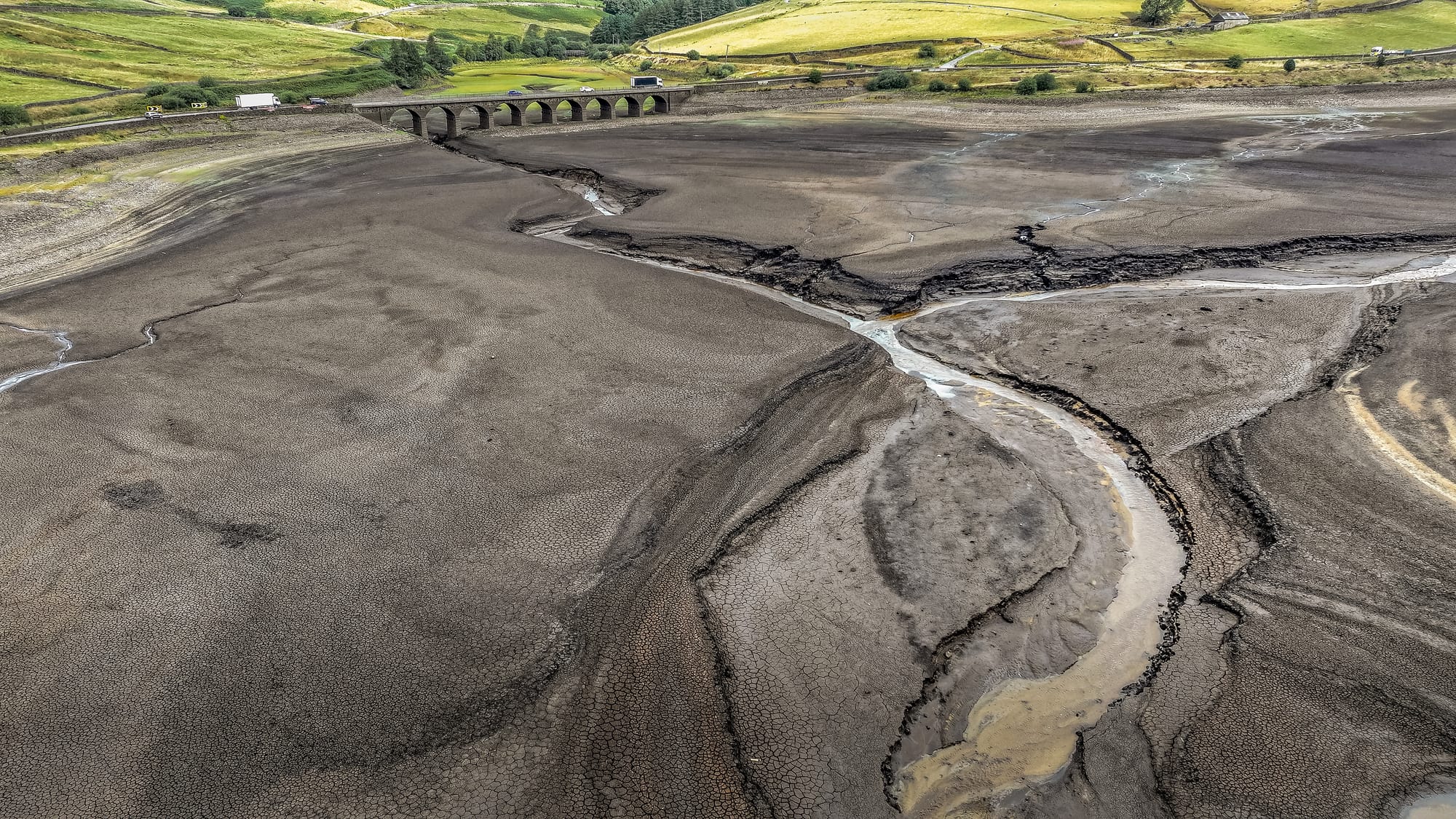
Heatwaves across Europe and the United Kingdom have produced a surge in excess deaths, raising questions about why governments have not yet taken decisive action to address the underlying climate crisis. In 2023 Britain recorded 1,504 excess deaths linked to heat, while by June 2024 the country had already experienced four heatwaves that caused 2,877 excess deaths. Analysts warn that the trend is set to continue, with a new heatwave expected in September, potentially adding thousands more fatalities.
The danger comes from “uncompensable heat stress” (UHS), a state in which the body can no longer cool itself. UHS disproportionately affects people over 60, a demographic that is growing rapidly. By 2050, the number of people aged 60 and older is projected to reach 2.1 billion worldwide, increasing the global pool of vulnerable individuals. Older adults have reduced sweat capacity, weaker blood vessel dilation, and a heart that must work harder to regulate temperature, all of which heighten the risk of heat‑related death.
The rise in heat‑related mortality occurs against a backdrop of climate change that is progressing faster than many models predicted. Europe’s temperature increase is outpacing the global average, and recent studies suggest that forests absorb less carbon than previously thought, reducing a key natural mitigation mechanism. The current El Niño/La Niña cycle has entered a “heating phase”, with the Met Office warning that this year’s El Niño could be the most intense in recent memory. Prof Adam Scaife, head of long‑range forecasting at the UK Met Office, told the BBC that the intensity of the signal had never been seen before.
Three interrelated factors are cited as hindering swift policy responses. First, the scale of the required transformation is enormous. Governments would need to decarbonise entire economies, shift diets away from meat, cut air travel, increase renewable electricity generation, and move toward a circular economy. Second, the prevailing neoliberal economic framework, which prioritises minimal regulation and market freedom, clashes with the need for long‑term, pre‑emptive action that climate mitigation demands. The current system also concentrates wealth and political influence in the hands of a few, creating resistance to policies that favour broad public benefit. Third, well‑funded right‑wing think tanks and lobbying groups, such as the Atlas Foundation, support free‑market and conservative agendas that resist climate action. Fossil‑fuel companies, including Exxon, have historically downplayed climate risks for decades, despite early research indicating the dangers of inaction.
Adaptation measures—improved emergency services, better housing ventilation, and upgraded infrastructure—are already underway in the UK and elsewhere. However, experts argue that adaptation alone will only buy a few extra years before extreme temperatures and severe weather events overwhelm societies. Without addressing the root cause—continued burning of coal, oil and gas—adaptation will eventually fail as global temperatures rise further and more regions become uninhabitable.
The recent heatwaves have already claimed tens of thousands of lives worldwide, disproportionately affecting poorer communities that lack adequate protection. The potential for further devastation from the anticipated El Niño may sharpen public and political focus on climate breakdown, yet powerful actors—including certain political leaders and global oligarchs—are expected to resist changes that threaten entrenched interests.
In summary, the spike in heat‑related deaths underscores the urgent need for comprehensive climate policy. Governments must accelerate decarbonisation, confront economic structures that hinder long‑term planning, and counter well‑financed lobbying that perpetuates the status quo. Only through decisive action can the risk of future heatwaves and the broader impacts of climate breakdown be mitigated.
Comments (0)
No comments yet — be the first to weigh in.

Iran-US Tensions Escalate Amid Hormuz Strait Crisis – Live Updates
Iranian President Pezeshkian seeks diplomatic solutions with global leaders at SCO summit in Kyrgyzstan amid rising US tensions over Hormuz Strait.

Search continues for 18 passengers after ferry capsized in northern Cyprus
Search and rescue operations are continuing off the coast of Kyrenia in northern Cyprus after a passenger ferry capsized and sank on Sunday, leaving at least ei...

Swiss Man Arrested After Deadly Rave Shooting Kills Italian Woman
A 43-year-old Swiss suspect has been arrested after a shooting at a techno rave in Aarau left one woman dead and several others injured. Authorities continue their investigation.

England attack's 2005 comparisons fair - Trescothick
England’s new pace attack is drawing comparisons to the legendary Ashes-winning quartet of 2005, according to interim head coach Marcus Trescothick. The current...

Mumbai’s Vile Parle Cypher is giving unheard rappers a voice

Enrich and Ultimo impress

Karnataka CM Signals Review of 5% Park Land Amendment Bill in Assembly

