Fed Chair Warsh Signals Possible Rate Hikes as Inflation Persists
At Jackson Hole, Fed Chair Kevin Warsh warned that inflation remains above the 2% target, prompting markets to raise expectations for a September rate hike.
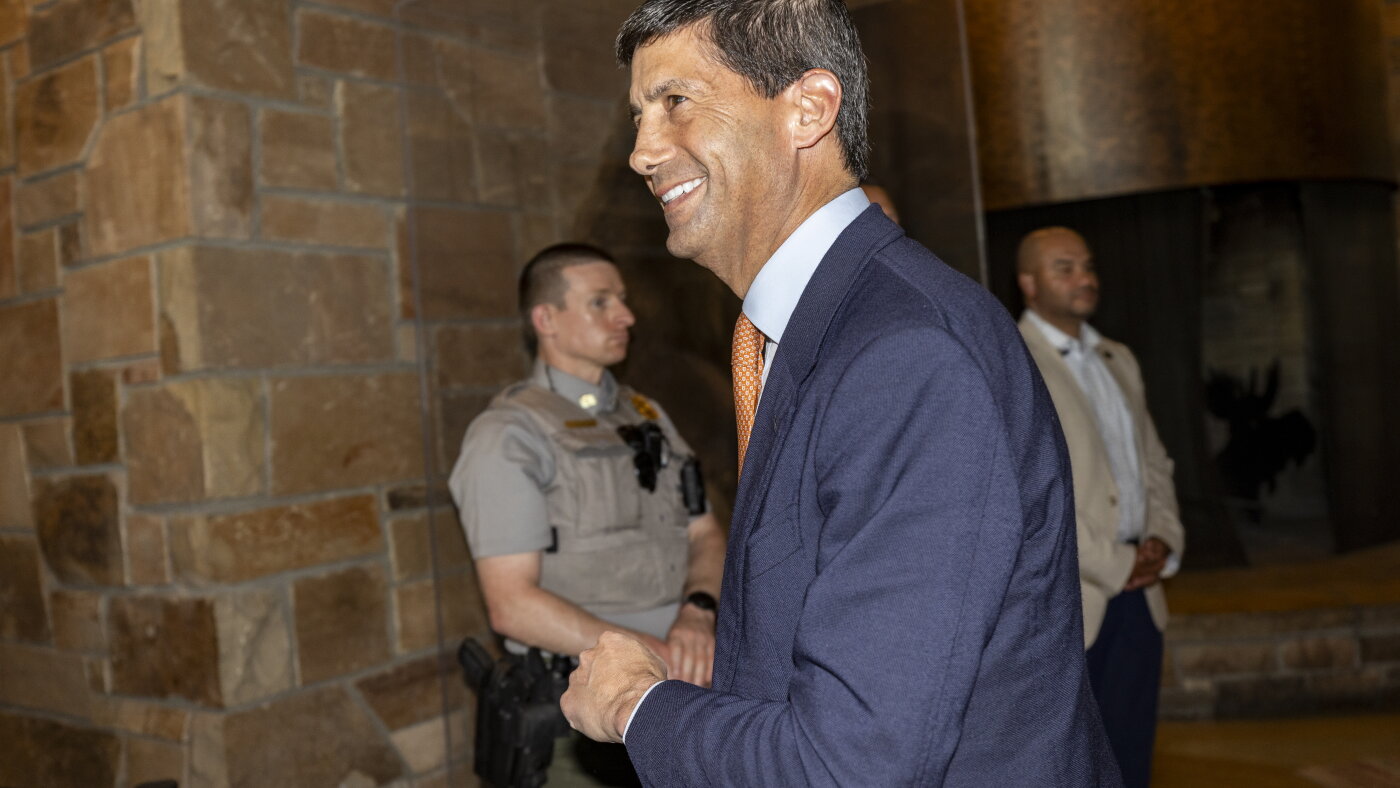
Federal Reserve Chair Kevin Warsh’s remarks at the Jackson Hole conference on Friday were interpreted by markets as a signal that the central bank may soon lift its benchmark interest rate. Investors had previously priced in a one‑in‑three chance of a September hike; after Warsh’s speech that probability climbed to more than 50 percent.
Warsh, who has avoided giving a precise roadmap for future policy, said that inflation remains above the Fed’s 2 percent target. He cited the consumer price index, which shows a 3.4 percent rise over the twelve months ending in July, and the Fed‑preferred measure of 3.7 percent. “None of these measures are perfect,” he said, “but they all tell a similar story: Inflation is running above our 2% target. So the Fed's predominant focus right now should be on prices.”
The speech came as the Fed’s policy committee is split. While the institution keeps the federal funds rate steady at a 23‑year high, the board’s divisions mean that any decision to tighten further will be closely scrutinized. Warsh’s emphasis on inflation was a reminder that the bank’s dual mandate – maximum employment and price stability – still leans toward curbing rising prices.
In addition to inflation, Warsh highlighted the resilience of the labor market, strong investment, and robust consumer spending. He argued that the economy’s fundamentals remain solid, but that price pressures are still outpacing the Fed’s desired pace. The Fed’s own data suggest that the economy is operating near or at full capacity, which can sustain higher rates without triggering a sharp slowdown.
Warsh also spoke about artificial intelligence, describing it as a “hinge point in history.” He noted that rapid advances in AI could boost productivity and lower costs, though the technology’s benefits may not be evenly distributed. He cautioned that the current surge in AI‑related spending, such as data‑center construction and memory chip purchases, is contributing to short‑term inflation. “Their recommendations will come later and have no bearing on decisions we make in the current policy conjuncture,” he said, adding that the Fed’s AI task force would inform future policy decisions.
The central bank’s “quieter” approach to communication has been a recurring theme in Warsh’s speeches. He believes that limiting detailed guidance about the path of rates helps the Fed maintain flexibility and avoid anchoring market expectations. “A quieter Fed, more purposeful in its communications, is better able to meet its objectives,” Warsh said. He added that accountability would be tested at the “moment of truth,” where results would follow reasons.
Market participants interpreted Warsh’s focus on inflation as a warning that the Fed could raise rates as early as next month. Before the conference, the odds of a September hike were roughly 33 percent; after the speech, the odds surpassed 50 percent. Bond yields rose modestly, and the yield curve showed a slight steepening in the near‑term segment. The equity markets reacted with a modest pullback, reflecting concerns that tighter policy could dampen corporate earnings.
The Fed’s policy committee remains divided, with some members favoring a pause to gather more data and others advocating for a more aggressive stance. Warsh’s comments are likely to influence the debate, as the committee weighs the risk of inflation persisting versus the danger of stifling growth. The next policy meeting is scheduled for early September, where the Fed will decide whether to adjust the federal funds rate.
In summary, Warsh’s speech underscored that inflation remains above the Fed’s target, prompting markets to anticipate a potential rate hike. While he avoided a concrete path for policy, his emphasis on price stability and the potential future impact of AI technology will shape both the Fed’s deliberations and market expectations.
Comments (0)
No comments yet — be the first to weigh in.

Iran-US Tensions Escalate Amid Hormuz Strait Crisis – Live Updates
Iranian President Pezeshkian seeks diplomatic solutions with global leaders at SCO summit in Kyrgyzstan amid rising US tensions over Hormuz Strait.

Search continues for 18 passengers after ferry capsized in northern Cyprus
Search and rescue operations are continuing off the coast of Kyrenia in northern Cyprus after a passenger ferry capsized and sank on Sunday, leaving at least ei...

Swiss Man Arrested After Deadly Rave Shooting Kills Italian Woman
A 43-year-old Swiss suspect has been arrested after a shooting at a techno rave in Aarau left one woman dead and several others injured. Authorities continue their investigation.

England attack's 2005 comparisons fair - Trescothick
England’s new pace attack is drawing comparisons to the legendary Ashes-winning quartet of 2005, according to interim head coach Marcus Trescothick. The current...

Mumbai’s Vile Parle Cypher is giving unheard rappers a voice

Enrich and Ultimo impress

Karnataka CM Signals Review of 5% Park Land Amendment Bill in Assembly

