Fed's Flow of Funds: Household Net Worth Increased $6.1 Trillion in Q3

The Federal Reserve reported today that U.S. household net worth rose by $6.1 trillion in the third quarter of 2025, according to its Flow of Funds data. The increase reflects broader economic trends observed during the period, including gains in real estate values and financial assets.
Household net worth totaled $162.7 trillion at the end of September, up from $156.6 trillion at the close of the second quarter. The Federal Reserve’s Flow of Funds report, also known as the Financial Accounts of the United States, tracks changes in assets, liabilities, and net worth for households and nonprofit organizations.
Real estate holdings contributed significantly to the increase, as home values continued to climb amid a tight housing supply and steady demand. Owners’ equity in real estate rose by $1.9 trillion during the quarter, reaching $32.2 trillion. Financial assets, including corporate equities and mutual fund shares, also played a key role, increasing by $3.8 trillion.
Household liabilities rose modestly, increasing by $158 billion to $20.2 trillion. This primarily reflected higher mortgage debt, consistent with ongoing home purchases and refinancing activity. Consumer credit also edged up, though at a slower pace than in previous quarters.
The data underscores the financial resilience of U.S. households, which have benefited from strong asset appreciation over the past year. The Federal Reserve’s report comes at a time when economic policymakers are closely monitoring household balance sheets for signs of inflationary pressure or financial imbalances.
Economists note that rising net worth can support consumer spending, which drives a large portion of U.S. economic activity. However, they also caution that wealth gains are unevenly distributed, potentially widening income and wealth gaps.
The Flow of Funds report is released quarterly and provides a comprehensive snapshot of the financial position of the U.S. economy. It includes data on household wealth, business sector finances, and government debt, offering insights into broader economic health and risk factors.
This latest report follows a trend of increasing household wealth observed since the recovery from the COVID-19 pandemic. While the third-quarter gains are substantial, some analysts suggest the pace of wealth accumulation may moderate in coming periods if asset price growth slows.
The Federal Reserve’s data remains subject to revision as more complete information becomes available. The next release is scheduled for December 12, 2025.
Comments (0)
No comments yet — be the first to weigh in.

Free School Uniform Swap Shop Saves Welsh Families £50m Annually
A Cardiff father's school uniform swap shop initiative has grown to 200 schools, helping Welsh families save £50m yearly while promoting sustainability and reducing clothing waste.

Poland, US Explore Permanent Military Bases: Defense Talks Underway
Poland and the US are discussing permanent American military bases in Poland, focusing on defense capabilities rather than troop numbers. Nuclear warheads are not part of the plans.

Taxpayers Lost $65B to Obamacare Fraud in 2024; Feds Crack Down
A Paragon Health Institute report reveals $65 billion in taxpayer losses due to Obamacare and Medicaid fraud in 2024, with improper enrollments rising in 2025.
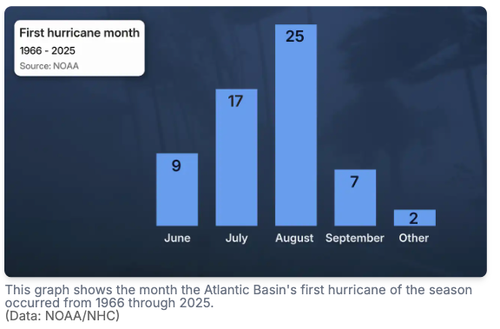
El Niño Delaying 2026 Atlantic Hurricane Season as Dolly Nears Florida
El Niño's wind shear suppresses 2026 Atlantic hurricane activity, delaying first hurricane as Tropical Storm Dolly's remnants approach Florida and the Caribbean.

Mumbai’s Vile Parle Cypher is giving unheard rappers a voice

Enrich and Ultimo impress

Karnataka CM Signals Review of 5% Park Land Amendment Bill in Assembly

