France eases cheese production rules amid historic drought impact
France temporarily relaxes strict origin rules for protected cheeses like Beaufort and Comté due to severe drought, allowing external feed and modified diets for livestock.
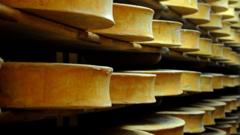
France has temporarily relaxed its strict cheese‑making regulations in response to the severe summer drought that cut grass supplies for dairy herds across the country. A government decree issued on Wednesday grants dispensations to producers of several celebrated mountain cheeses, including Abondance, Beaufort and Comté, allowing them to alter the composition of livestock feed and import forage from outside their traditional production zones.
The National Institute for Origin and Quality (INAO), which oversees France’s protected designations of origin, approved the changes to preserve the viability of the dairy industry during an unprecedented period of heat and water scarcity. Under the new rules, Abondance makers in the Alps may reduce the proportion of pasture grass in their cattle’s diet from the usual 50 % to as little as 15 %. They will also be permitted to bring in hay and other forage from outside the designated geographic area and to use supplemental feeds. Similarly, Comté producers in the Jura mountains can replace the local green maize they normally feed their cattle with maize sourced elsewhere.
Other cheeses slated for temporary waivers include Cantal, Bleu d’Auvergne, Fourme d’Ambert, Bleu du Vercors‑Sassenage, Reblochon and the goat cheese Rocamadour. The decree also extends to a range of protected products beyond cheese. Some varieties of Calvados and cider from Normandy, Crémant d’Alsace sparkling wine, lamb from Poitou‑Charentes, and Reine‑Claude plums will benefit from comparable relaxations in their production requirements.
The summer drought has left much of France’s pastures parched, forcing farmers to seek alternative feed sources to maintain milk production levels. The INAO described the 2026 drought as “historic” and cited the extraordinary weather as the basis for the temporary deregulation. Similar measures were implemented after the dry summer of 2022, underscoring the legal framework that allows exceptions in cases of exceptional climatic conditions.
Certificates of origin play a key role in France’s agri‑food sector, enabling producers to command premium prices while ensuring that products meet strict standards regarding place of production and production methods. The concept of terroir—linking a product’s identity to its geographic and cultural context—is central to these standards. The current derogations, while aimed at sustaining production, raise questions about the long‑term viability of the existing origin labels in the face of climate change.
If the changing climate makes it increasingly difficult for certain foods to be produced in their traditional localities, the notion of terroir may be challenged. The temporary measures could set a precedent for broader adaptations to the origin system, potentially affecting how products are marketed and regulated both in France and across the European Union.
The decree is intended to be a short‑term solution. It will be monitored to assess whether the changes have any noticeable effect on the taste, quality, quantity, or pricing of the affected cheeses and other products. While the immediate goal is to safeguard the dairy industry during a period of extreme heat and water shortages, the broader implications for France’s protected designations of origin and the concept of terroir will become clearer as the season progresses and the climate continues to evolve.
Comments (0)
No comments yet — be the first to weigh in.

NASA Launches Nancy Grace Roman Telescope to Unlock Universe's Mysteries
NASA's new Nancy Grace Roman Space Telescope lifts off from Florida to study dark energy, exoplanets, and cosmic mysteries with unprecedented precision and scope.

Nature reserves spot rare species during heatwaves
Nature reserves in Hertfordshire and Middlesex have documented rare species this summer, with volunteers spotting wildlife not seen in decades and some even for...

Inmates at HMP La Moye craft boxes to save Jersey's hedgehogs
Prisoners at HMP La Moye have crafted nesting and feeding boxes to support Jersey's hedgehog population, boosting rehabilitation and community engagement.
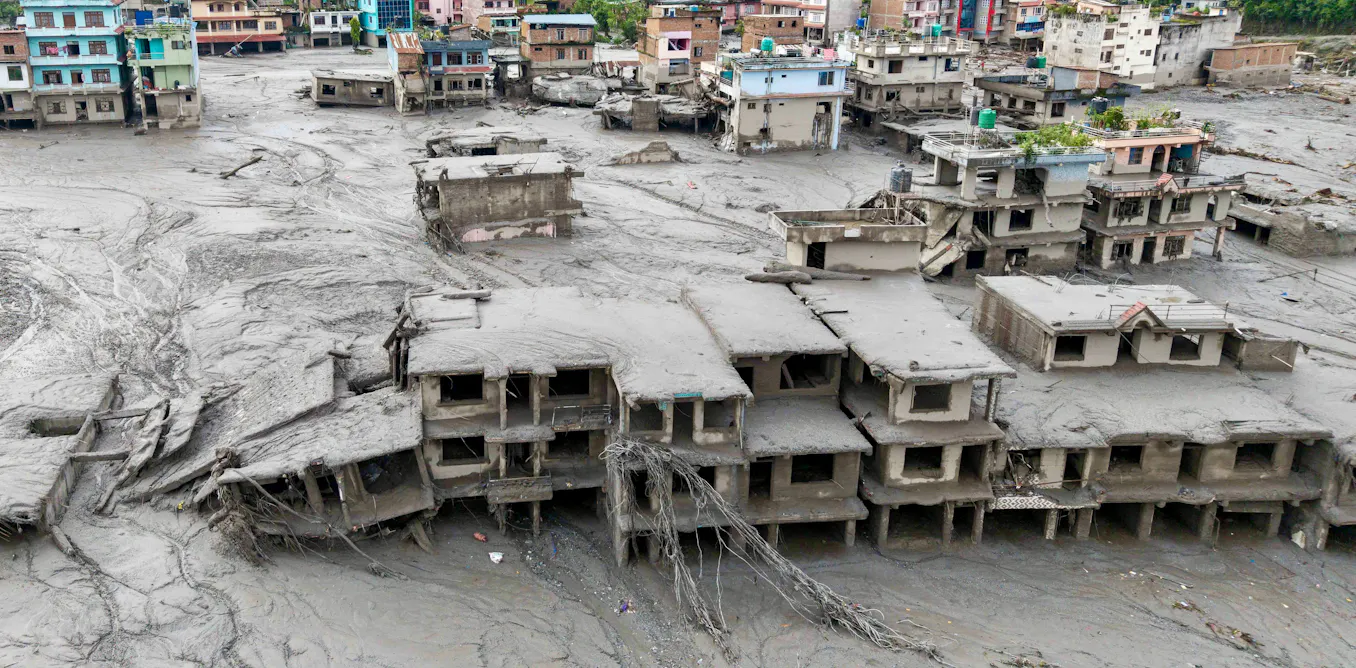
2026 Nepal Flood: Ice‑Rock Avalanche, Glacial Lake Outburst and Climate‑Change Risks
A massive ice‑rock avalanche triggered a catastrophic flood in Nepal on Aug. 26 2026, followed by a glacial lake outburst that devastated towns and hydropower plants. Climate‑change‑driven thawing increased the risk.

Mumbai’s Vile Parle Cypher is giving unheard rappers a voice

Enrich and Ultimo impress

Karnataka CM Signals Review of 5% Park Land Amendment Bill in Assembly

