Gendered Language in Tech: Replacing ‘Male’ and ‘Female’ Connectors
Industry experts weigh in on replacing gendered terms like ‘male’ and ‘female’ for connectors. Explore style guide stances, inclusive language, and industry impact.
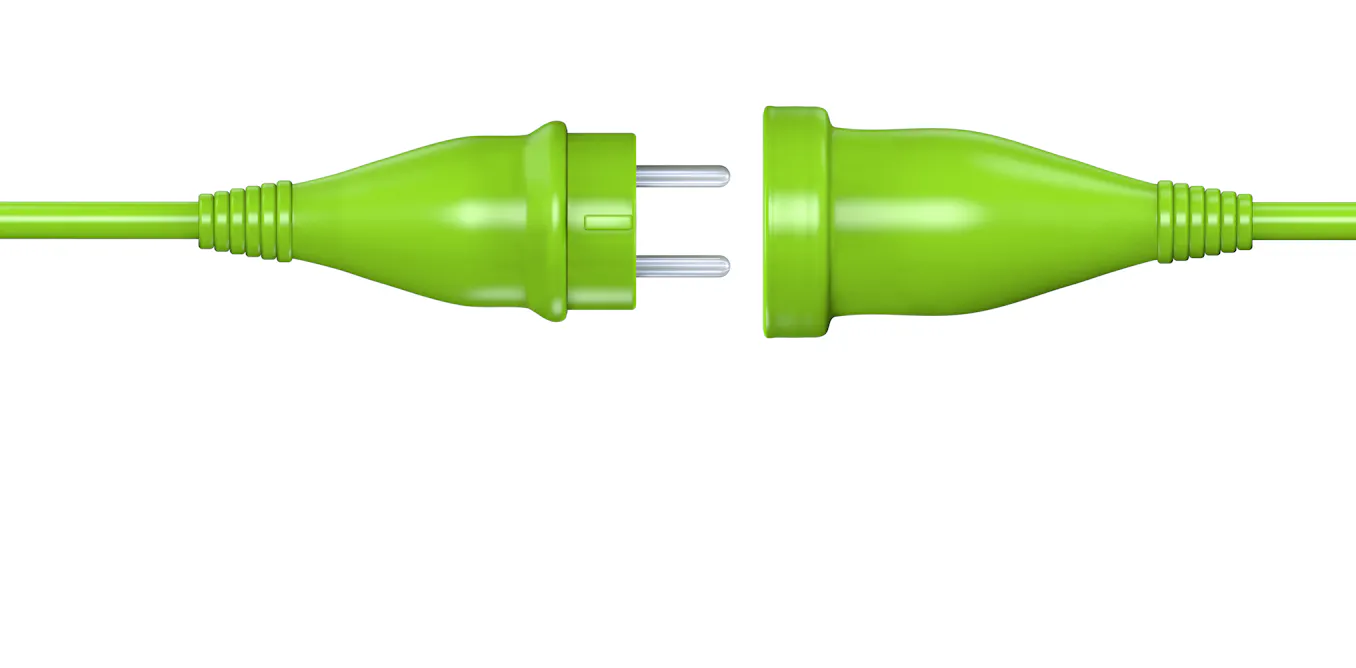
The long-standing use of “male” and “female” to label connector ends on garden hoses, electrical cords, pipe fittings and other common hardware is facing growing criticism for its perceived gendered implications. Critics argue the terms—common in industries from solar installation to plumbing—assume a binary gender model that can feel exclusionary or anatomically suggestive. As language evolves toward greater inclusivity, debates over whether to replace these terms with neutral alternatives like “plug” and “socket” are intensifying among editors, technical communicators and professional organizations.
The discussion spans multiple sectors where “male” and “female” are standard jargon. Plumbers refer to pipe fittings using these terms, firefighters describe hose connections with them, and electricians use them for twist-lock plugs. Even consumer brands like Ace Hardware market products labeled with “male/female” terminology. While the terms are deeply embedded in technical language, some professionals—especially in audiovisual, theater and IT—question their appropriateness, noting that gender and sex are distinct and that binary labels may not reflect modern understandings of identity.
A recent survey of 27 professional editors, coordinated through ACES: The Society for Editing, revealed a split in responses. When asked how they would handle a sentence like “Insert the two-pronged male end into the female receptacle in the console,” ten editors chose to retain the terms, nine opted to query the author, and eight decided to edit the language entirely. This reflects broader uncertainty in style guidance. Major style guides such as the *Chicago Manual of Style*, *AP Stylebook* and *APA Inclusive Language Guide* currently offer no specific guidance on the use of “male” and “female” for connectors. However, tech-focused guides are beginning to act: Google’s Developer Documentation Style Guide recommends using “plug” and “socket,” while Apple’s style guide suggests “plug,” “socket” or “port.”
Opponents of change often cite three main concerns. Some frame inclusivity efforts as “woke” overreach, comparing the shift in connector terminology to long-debated changes like replacing “mankind” with “humankind” or “stewardess” with “flight attendant.” Others argue that “male” and “female” are inherently intuitive because they evoke biological analogies, though experts note that connector shapes don’t always mirror sex organs—such as in solar panel connectors, where the “female” side may protrude and the “male” side contain a pin. The strongest objection is practical: the terms are widely understood across industries, making replacement disruptive to communication and professional workflows.
Language change often moves slowly, particularly in technical fields. Recent executive orders aimed at curbing diversity-related language in federal contexts may slow progress. Yet history suggests such shifts eventually take hold. Terms once considered standard—like “nice” meaning “ignorant” or “awful” meaning “worthy of awe”—have faded from use. Whether “male” and “female” endure as connector labels remains to be seen, but the conversation reflects a broader cultural movement toward language that aligns with evolving social values.
#GenderNeutralLanguage #TechnicalWriting #EditingStandards #ConnectorTerminology #InclusiveLanguage #ACES #StyleGuide #TechCommunication
Comments (0)
No comments yet — be the first to weigh in.

NASA Launches Nancy Grace Roman Telescope to Unlock Universe's Mysteries
NASA's new Nancy Grace Roman Space Telescope lifts off from Florida to study dark energy, exoplanets, and cosmic mysteries with unprecedented precision and scope.

Nature reserves spot rare species during heatwaves
Nature reserves in Hertfordshire and Middlesex have documented rare species this summer, with volunteers spotting wildlife not seen in decades and some even for...

Inmates at HMP La Moye craft boxes to save Jersey's hedgehogs
Prisoners at HMP La Moye have crafted nesting and feeding boxes to support Jersey's hedgehog population, boosting rehabilitation and community engagement.

2026 Nepal Flood: Ice‑Rock Avalanche, Glacial Lake Outburst and Climate‑Change Risks
A massive ice‑rock avalanche triggered a catastrophic flood in Nepal on Aug. 26 2026, followed by a glacial lake outburst that devastated towns and hydropower plants. Climate‑change‑driven thawing increased the risk.

Mumbai’s Vile Parle Cypher is giving unheard rappers a voice

Enrich and Ultimo impress

Karnataka CM Signals Review of 5% Park Land Amendment Bill in Assembly

