Geothermal Power Is Emerging As An AI Energy Source For The Trump Administration
A government-backed research site in Utah is testing whether a new approach to geothermal energy could expand the industry's reach and provide a reliable power source for artificial intelligence infrastructure.
The traditional method of geothermal power generation relies on the natural combination of heat, permeable rock, and underground water. However, the new approach, known as enhanced geothermal systems (EGS), aims to create these conditions artificially. Engineers drill wells several miles deep, inject water into hot rock, and then bring the heated fluid back to the surface to generate electricity.
Success in Utah could significantly broaden the geographic scope of geothermal energy. Instead of being limited to rare geological formations, geothermal projects could be developed in parts of the western United States where sufficiently hot rock lies within drilling distance. This low-emission power source could operate continuously, regardless of sunlight or wind, making it an attractive option for data centers with high and uninterrupted power demands.
AI infrastructure, in particular, requires substantial amounts of consistent power, potentially providing a significant customer base for geothermal developers. Fervo Energy, which is developing a project near the Utah research site, has already secured a deal with Alphabet, although commercial output is not expected until later this year.
The Utah experiment aims to determine whether EGS can function reliably outside of controlled demonstrations. Researchers will monitor various factors, including how quickly underground heat is depleted, how much injected water is lost, and whether repeated pumping causes problematic seismic activity. Even if the technical results are encouraging, the concept will still need to be replicated at other locations and translated into commercially viable projects.
Politically, geothermal energy has retained support that wind and solar have recently lost. The Utah program began during the Obama administration and has attracted $328 million in federal commitments since 2020. The Trump administration continues to support the initiative. Industry cost estimates suggest that new geothermal facilities can already compete with several other forms of electricity generation, although drilling remains expensive and project development carries substantial geological risk.
The outcome of the Utah experiment could determine whether enhanced geothermal becomes a significant national energy source or remains a promising niche. If developers can drill deeper, preserve underground heat, and replicate the process at declining costs, technology inherited from the oil industry could help create a new class of always-available clean power plants.
Comments (0)
No comments yet — be the first to weigh in.

Free School Uniform Swap Shop Saves Welsh Families £50m Annually
A Cardiff father's school uniform swap shop initiative has grown to 200 schools, helping Welsh families save £50m yearly while promoting sustainability and reducing clothing waste.

Poland, US Explore Permanent Military Bases: Defense Talks Underway
Poland and the US are discussing permanent American military bases in Poland, focusing on defense capabilities rather than troop numbers. Nuclear warheads are not part of the plans.

Taxpayers Lost $65B to Obamacare Fraud in 2024; Feds Crack Down
A Paragon Health Institute report reveals $65 billion in taxpayer losses due to Obamacare and Medicaid fraud in 2024, with improper enrollments rising in 2025.
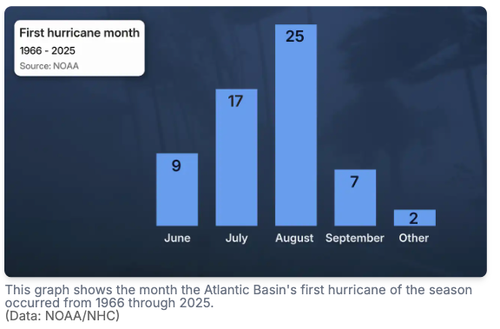
El Niño Delaying 2026 Atlantic Hurricane Season as Dolly Nears Florida
El Niño's wind shear suppresses 2026 Atlantic hurricane activity, delaying first hurricane as Tropical Storm Dolly's remnants approach Florida and the Caribbean.

Mumbai’s Vile Parle Cypher is giving unheard rappers a voice

Enrich and Ultimo impress

Karnataka CM Signals Review of 5% Park Land Amendment Bill in Assembly

