Global Asset Managers 'Chexit' China as Retail Funds Struggle to Scale
Major global asset managers like Fidelity and Schroders are exiting China retail funds due to weak demand, fierce competition, and regulatory hurdles. Discover the key challenges behind the 'Chexit' trend.

Global asset manager Fidelity International is planning to exit its retail fund venture in China, marking the latest high-profile retreat by Western financial institutions from the country's multi-trillion-dollar wealth market. The decision by Fidelity International follows similar exits or cutbacks by major global firms including Vanguard, Legal and General, and Schroders. Foreign fund managers face intense competition from domestic Chinese institutions, tight regulatory oversight, and disappointing growth after Beijing opened its market to wholly foreign-owned financial entities.
Fidelity International, which oversees 1.18 trillion dollars in global assets under management, established its wholly-owned mutual fund business in Shanghai in 2023. Internal targets indicated the firm needed more than 14 billion dollars in assets to achieve profitability. However, after several years of operation, the unit managed approximately 670 million dollars, less than 5 percent of its goal, making the retail venture unsustainable.
The departure reflects a broader trend among international asset managers scaling back their presence in China. Vanguard closed its Shanghai office in 2023 after once projecting trillions in potential assets. Legal and General canceled plans for a domestic business license while slashing its Shanghai staff by 80 percent. British firm Schroders, which managed 250 million dollars after three years in China, recently planned to transfer its funds to a unit of Neuberger Berman.
China features a public mutual fund market valued at 5.9 trillion dollars, largely dominated by local institutions. Wholly foreign-owned greenfield operations have consistently lagged behind domestic funds and foreign firms that entered via joint ventures. Success stories such as JPMorgan Asset Management China, Manulife China, and Morgan Stanley China built their market positions by buying out established Chinese joint-venture partners rather than launching new firms.
Domestic Chinese fund managers maintain significant competitive advantages, including established bank distribution channels, strong local brand recognition, and deep market experience. Furthermore, recent regulatory actions by Chinese authorities, such as tighter restrictions on algorithmic trading, have disproportionately impacted Western firms that rely on quantitative strategies to compete.
Although Beijing allowed full foreign ownership in 2019 to attract international capital into its 12.8 trillion dollar retail investable asset market, structural challenges continue to favor local players. Lower investment returns, high operational costs, and regulatory barriers have ultimately forced many global asset managers to cut their losses in the Chinese financial market.
#China #Finance #Fidelity #Vanguard #AssetManagement #Beijing #Shanghai #Economy
Comments (0)
No comments yet — be the first to weigh in.

Free School Uniform Swap Shop Saves Welsh Families £50m Annually
A Cardiff father's school uniform swap shop initiative has grown to 200 schools, helping Welsh families save £50m yearly while promoting sustainability and reducing clothing waste.

Poland, US Explore Permanent Military Bases: Defense Talks Underway
Poland and the US are discussing permanent American military bases in Poland, focusing on defense capabilities rather than troop numbers. Nuclear warheads are not part of the plans.

Taxpayers Lost $65B to Obamacare Fraud in 2024; Feds Crack Down
A Paragon Health Institute report reveals $65 billion in taxpayer losses due to Obamacare and Medicaid fraud in 2024, with improper enrollments rising in 2025.
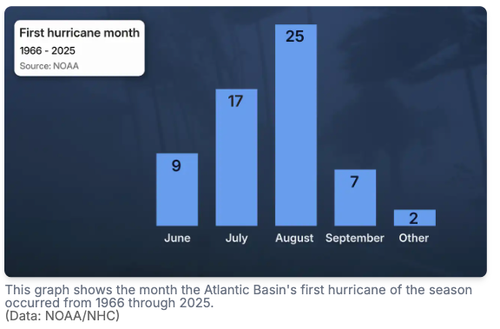
El Niño Delaying 2026 Atlantic Hurricane Season as Dolly Nears Florida
El Niño's wind shear suppresses 2026 Atlantic hurricane activity, delaying first hurricane as Tropical Storm Dolly's remnants approach Florida and the Caribbean.

Mumbai’s Vile Parle Cypher is giving unheard rappers a voice

Enrich and Ultimo impress

Karnataka CM Signals Review of 5% Park Land Amendment Bill in Assembly

