Global Dependence on Big Tech Highlighted by Microsoft Outage
A 2024 Microsoft outage disrupted global operations, exposing nations' reliance on Big Tech. Governments struggle to break free despite sovereignty efforts. Explore the challenges of digital independence.

A global Microsoft Windows outage in mid-2024 disrupted 8.5 million devices, less than 1% of all Windows machines, yet caused severe disruptions across airports, airlines, media outlets, emergency services, banks, stock markets, petrol stations, retail stores, hospitals, and telecommunications companies. The incident highlighted the world's reliance on Big Tech.
The question of digital sovereignty—whether democratic governments can secure it—has grown urgent. Outside the U.S. and China, Big Tech, particularly cloud providers, has significantly eroded digital sovereignty, extending dependencies beyond individuals and private organizations to governments themselves.
In 2024, the U.K. signed a five-year deal with Microsoft for digital transformation, while Germany partnered with AWS and its German affiliate Bechtle AG. AWS serves organizations globally, from Australia’s Bureau of Statistics to Argentina’s Provincia Bank and New Zealand’s Department of Internal Affairs, which has an all-of-government agreement with Google Cloud. A notable example is Israel’s $1.2 billion contract with Google and Amazon for Project Nimbus, a private cloud infrastructure supporting the Israeli military’s AI-driven surveillance.
These cases reflect a global trend where governments outsource key technologies to cloud hegemons to pursue digital transformation. The resulting dependencies complicate regulation, as governments depend on these providers for technologies underpinning economic governance.
Efforts to counter Big Tech dominance have emerged in the European Union and emerging economies like Brazil and India, but none have significantly expanded digital sovereignty.
The European Commission’s AI Continent Action Plan, announced in April 2025, aims to boost AI development by investing in "AI factories" comprising supercomputers and datasets. While European startups may train models on EU supercomputers, they are likely to deploy them via Big Tech clouds. India’s IndiaAI and Brazil’s AI plan similarly emphasize public-sector roles but still treat cloud services as infrastructure, failing to fully decouple from Big Tech.
IndiaAI, advised by employees of Intel and Oracle, proposed the FutureLab AI Compute Infrastructure, a public-private partnership that would perpetuate dependencies on U.S. tech giants. Brazil’s state-owned firms have pushed for an intermediate layer to provide computing services to the public sector, but U.S. Big Tech will still supply core technologies. These initiatives illustrate the difficulty of decoupling from cloud hegemons.
China has built its own digital ecosystem, dominated by domestic cloud providers, but its model mirrors the U.S. system in terms of intellectual monopolies. Chinese tech firms often imitate U.S. technologies, scaling them rapidly for domestic markets. While this approach has enabled fast growth, it has not led to fundamental innovation. Geopolitical tensions have also restricted China’s global expansion, as seen with Huawei’s struggles in 5G.
The emergence of DeepSeek, a more affordable AI model, has increased uptake among developers, but it does not compete directly with cloud hegemons. Instead, it benefits them by pressuring other startups to rely on U.S. cloud services.
Even if China surpasses the U.S. technologically, it would merely reshuffle global power structures rather than empower the majority. The goal of achieving true digital sovereignty remains elusive.
Comments (0)
No comments yet — be the first to weigh in.

Energy biz SSE smacked around in court by a guy and AI
An Oxford doctoral student has defeated British energy provider SSE Energy Supply in court after utilizing artificial intelligence models to build his legal def...
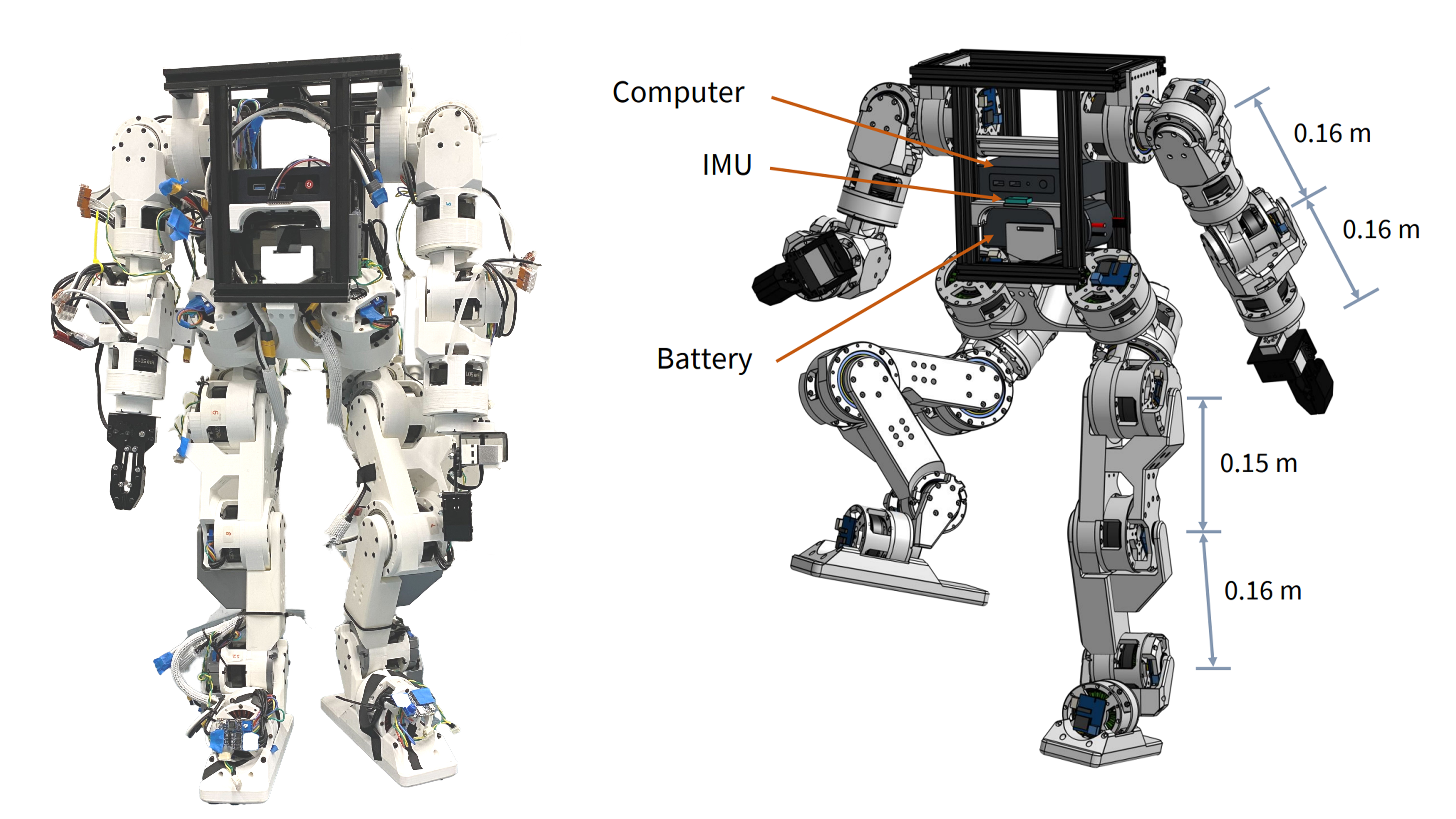
Berkeley Humanoid Lite: Affordable Open-Source Robot with DIY Actuators
Explore the Berkeley Humanoid Lite, a budget-friendly open-source robot featuring 3D-printed actuators under $5,000 USD. Learn how its modular design benefits DIY projects.

Woodstove Safety Monitor: Oru System Alerts Users to Temperature Fluctuations
Discover how the Oru woodstove assistant helps prevent dangerous chimney fires by monitoring exhaust gas temperatures and alerting users to temperature changes.
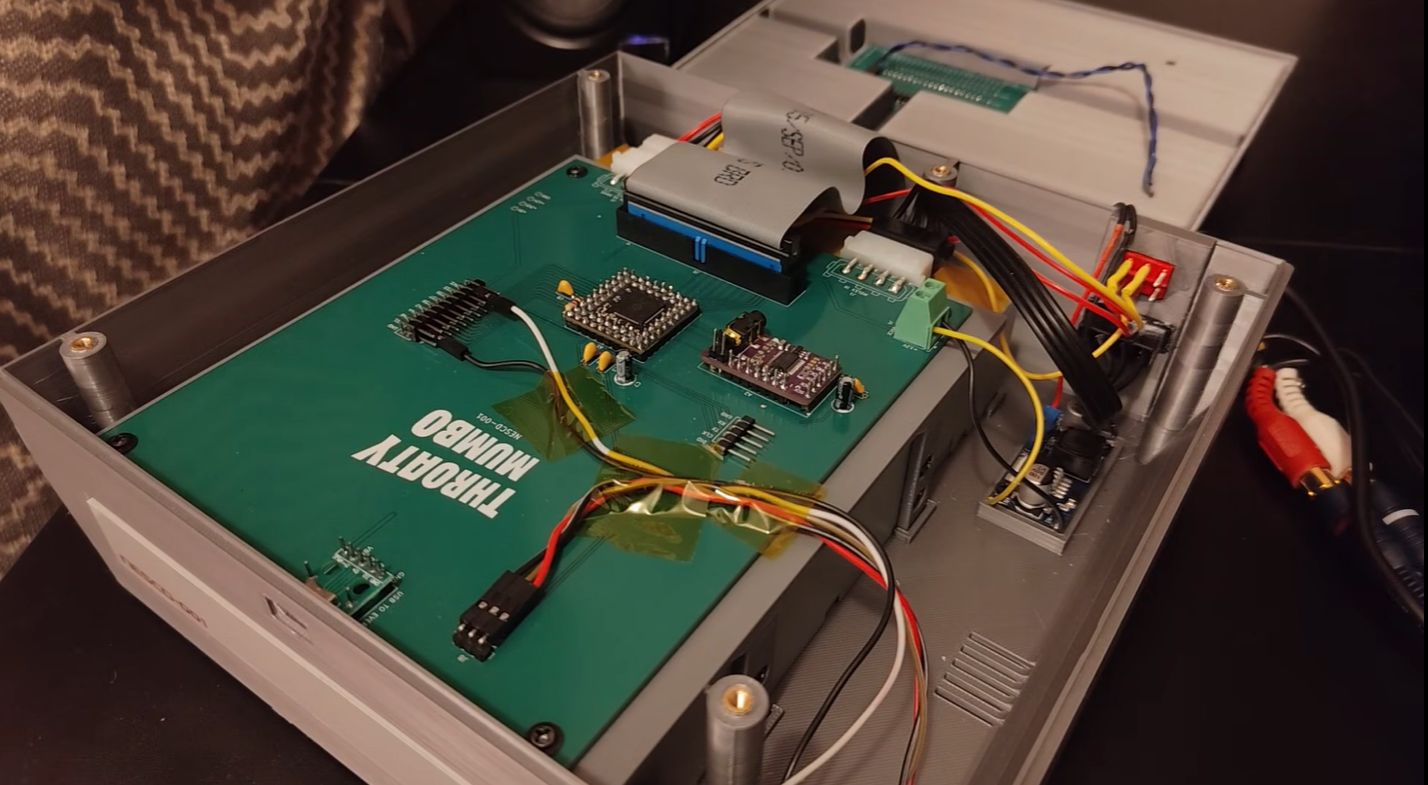
NES CD Add-On Revives 1980s Gaming with Optical Storage
Explore how a DIY project integrates a CD drive with the NES using an RP2350B microcontroller and Everdrive N8 Pro for expanded storage and audio playback.

Mumbai’s Vile Parle Cypher is giving unheard rappers a voice

Enrich and Ultimo impress

Karnataka CM Signals Review of 5% Park Land Amendment Bill in Assembly

