Global Hunger Crisis Deepens as US Slashes Food Aid Funding
US cuts to World Food Program funding under Trump administration worsen global hunger, leaving 266 million facing crisis levels of food insecurity.
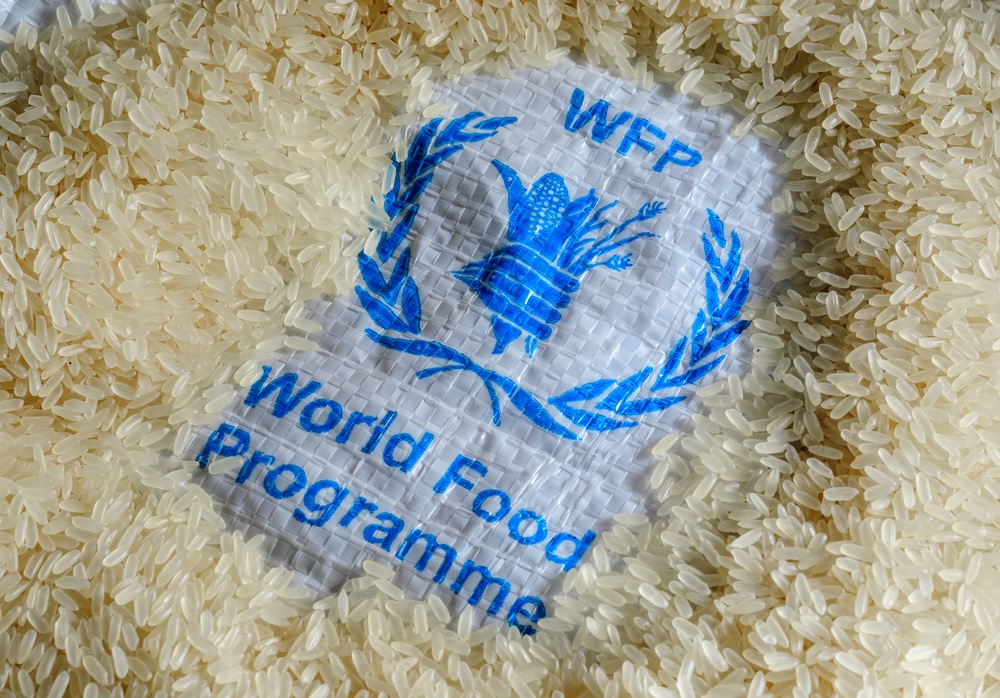
The United States’ recent reductions in foreign food aid have pushed the World Food Programme (WFP) into a funding crisis, raising the risk of widespread hunger and starvation for millions of people worldwide.
The WFP, a United Nations agency that delivered aid to more than 100 million people in 2023, has traditionally received a large share of its budget from the U.S. government. In 2024 the U.S. contributed about $4.5 billion, but the new administration that began in January 2025 cut U.S. funding by roughly 40 percent, leaving the agency with only about $2 billion for the year.
The cuts began when President Donald Trump signed an executive order on his first day in office that froze all U.S. foreign assistance. The order criticized the “foreign aid industry” as misaligned with American interests. Within weeks, U.S. Agency for International Development (USAID) was targeted by the administration and its funding for overseas humanitarian programs, including the WFP, was sharply reduced. In April 2025 the administration halted WFP food programmes in 14 of the world’s poorest countries, prompting the WFP to warn that the move could “amount to a death sentence for millions of people facing extreme hunger and starvation.”
Public backlash led to a partial restoration of funding. In June 2025 the administration approved an $800 million grant to the WFP, but the overall budget remained well below the level of the previous administration. Congressional opposition to further cuts kept two U.S. food‑aid programmes—the Food for Peace and the McGovern‑Dole child nutrition programmes—alive, though their budgets were cut by 23 percent. The 2026 budget proposal still called for the elimination of these programmes, but legislators with agricultural constituencies blocked the measure, keeping the programmes in place at reduced levels.
The impact of the funding shortfall has been documented in several countries. In Kenya, U.S. aid to the WFP was discontinued, leaving about 720 000 refugees without food assistance. A ProPublica investigation reported that many of the refugees, especially children, suffered severe malnutrition and died from infections. In Nigeria, 150 WFP‑run clinics that treated 300 000 children under two years of age closed in July 2025 after the loss of U.S. funding.
Globally, the World Food Programme estimates that in 2026 more than 266 million people will face crisis levels of hunger or worse. The agency has reported severe funding shortfalls that force it to scale back assistance, and it has warned that lost lives will be the price of the cuts.
In an attempt to appease domestic critics, the Trump administration announced in August 2026 a new humanitarian aid initiative to be administered by Christian organizations. The five‑year plan would provide $2 billion in total aid, a fraction of the $8 billion the U.S. government spent on humanitarian assistance in 2024. Of the $2 billion, roughly three‑quarters would be earmarked for healthcare rather than food, meaning the new programme would provide only limited food assistance.
The funding crisis has highlighted the vulnerability of global food security to the policy choices of a single donor nation. The United Nations has called for a more diversified and stable financing model, including increased contributions from other wealthy nations and the creation of an independent income stream for the WFP. The agency’s chief executive said that without such reforms the world could see a resurgence of famine‑level conditions in regions already struggling with poverty, conflict, and extreme weather.
Until new funding arrangements are put in place, the United States’ withdrawal of a significant portion of its foreign food‑aid budget is expected to worsen the already dire situation for millions of people on the brink of starvation. The international community faces a growing challenge to coordinate relief efforts and secure sustainable funding to prevent a humanitarian crisis of unprecedented scale.
Comments (0)
No comments yet — be the first to weigh in.

Iran-US Tensions Escalate Amid Hormuz Strait Crisis – Live Updates
Iranian President Pezeshkian seeks diplomatic solutions with global leaders at SCO summit in Kyrgyzstan amid rising US tensions over Hormuz Strait.

Search continues for 18 passengers after ferry capsized in northern Cyprus
Search and rescue operations are continuing off the coast of Kyrenia in northern Cyprus after a passenger ferry capsized and sank on Sunday, leaving at least ei...

Swiss Man Arrested After Deadly Rave Shooting Kills Italian Woman
A 43-year-old Swiss suspect has been arrested after a shooting at a techno rave in Aarau left one woman dead and several others injured. Authorities continue their investigation.

England attack's 2005 comparisons fair - Trescothick
England’s new pace attack is drawing comparisons to the legendary Ashes-winning quartet of 2005, according to interim head coach Marcus Trescothick. The current...

Mumbai’s Vile Parle Cypher is giving unheard rappers a voice

Enrich and Ultimo impress

Karnataka CM Signals Review of 5% Park Land Amendment Bill in Assembly

