Guinea-Bissau's Military-Backed Referendum Sparks Boycott, Rights Concerns
Guinea-Bissau’s junta-led referendum on a new constitution granting expanded presidential powers faces opposition boycott amid rights violations and EU criticism.
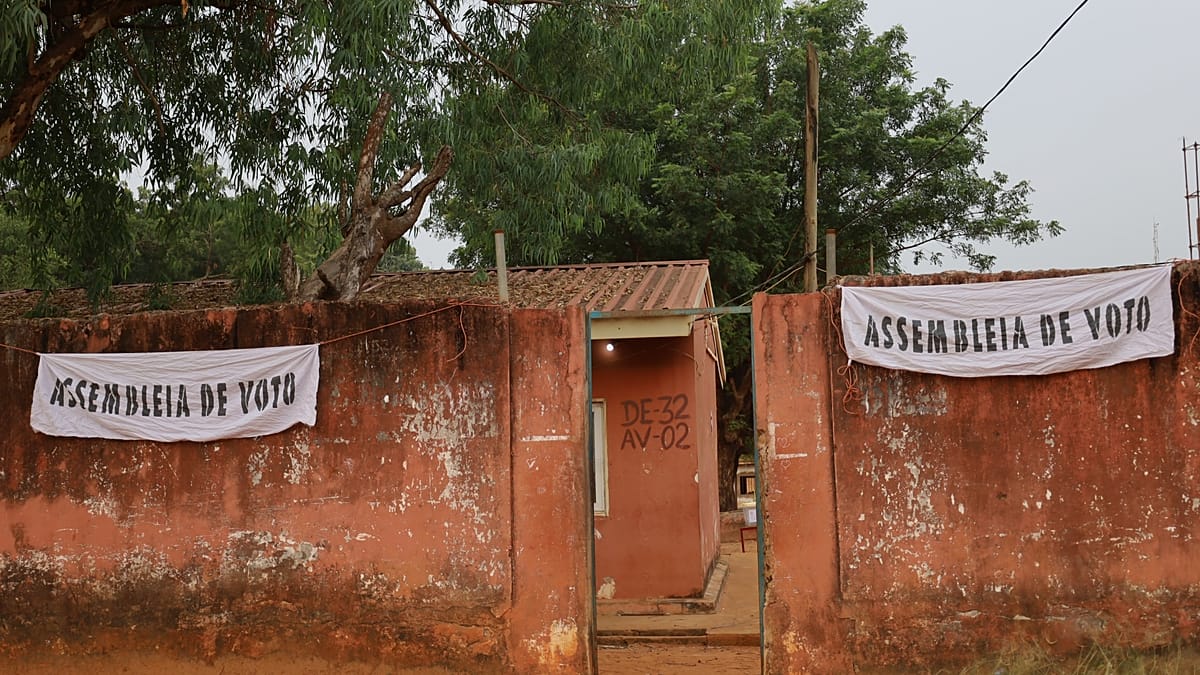
Guinea-Bissau is set to hold a constitutional referendum on Sunday, a vote that critics say is designed to legitimize expanded presidential powers ahead of planned elections aimed at restoring civilian rule. The referendum, initiated by transitional military authorities, has drawn strong opposition from political parties and human rights groups who argue the process lacks transparency and democratic legitimacy.
The proposed constitution, drafted by unelected bodies following last November’s military coup, would allow the president to chair the Council of Ministers and appoint the prime minister based on parliamentary stability rather than election results. According to human rights activist Bubacar Turé, the process has excluded key stakeholders, including political parties and civil society, while suppressing dissenting voices.
The main opposition party, the African Party for the Independence of Guinea and Cape Verde (PAIGC), has called for a boycott, describing the referendum as a "staging" to provide false legitimacy to the new constitution. PAIGC leader Domingos Simões Pereira, currently in Portugal, has condemned the process as a continuation of the November coup. Transitional authorities, however, defend the changes, arguing the new constitution addresses past instability.
Critics, including commentator Tamilton Teixeira, question the legality of the referendum since the constitution has already been published in the Official Gazette. They argue the process lacks credibility and could deepen political instability. The European Union has faced calls for stronger action, with activists highlighting ongoing restrictions on freedoms.
The referendum takes place amid a politically fractured landscape following last year’s disputed elections and military takeover. President Umaro Sissoco Embaló, who claimed victory in the elections later overturned by the coup, has been a polarizing figure. His detention after the coup was brief before he went into exile. Meanwhile, opposition figures like Pereira have faced legal challenges, including detention and travel restrictions.
International bodies, including ECOWAS, the African Union, and the Community of Portuguese-speaking Countries (CPLP), have suspended Guinea-Bissau following the coup. While some praise CPLP’s response, others urge the EU to take firmer measures, including sanctions, to pressure the transitional government toward democratic restoration.
#GuineaBissau #ConstitutionalReferendum #MilitaryRule #PAIGC #UmaroSissocoEmbaló #ECOWAS #CPLP #EUDemocracy
Comments (0)
No comments yet — be the first to weigh in.

TAP ends first half with almost €100 million loss amid rising fuel costs
Portuguese national airline TAP Air Portugal posted a net loss of 99.2 million euros in the first half of the year, driven largely by surging jet fuel costs lin...
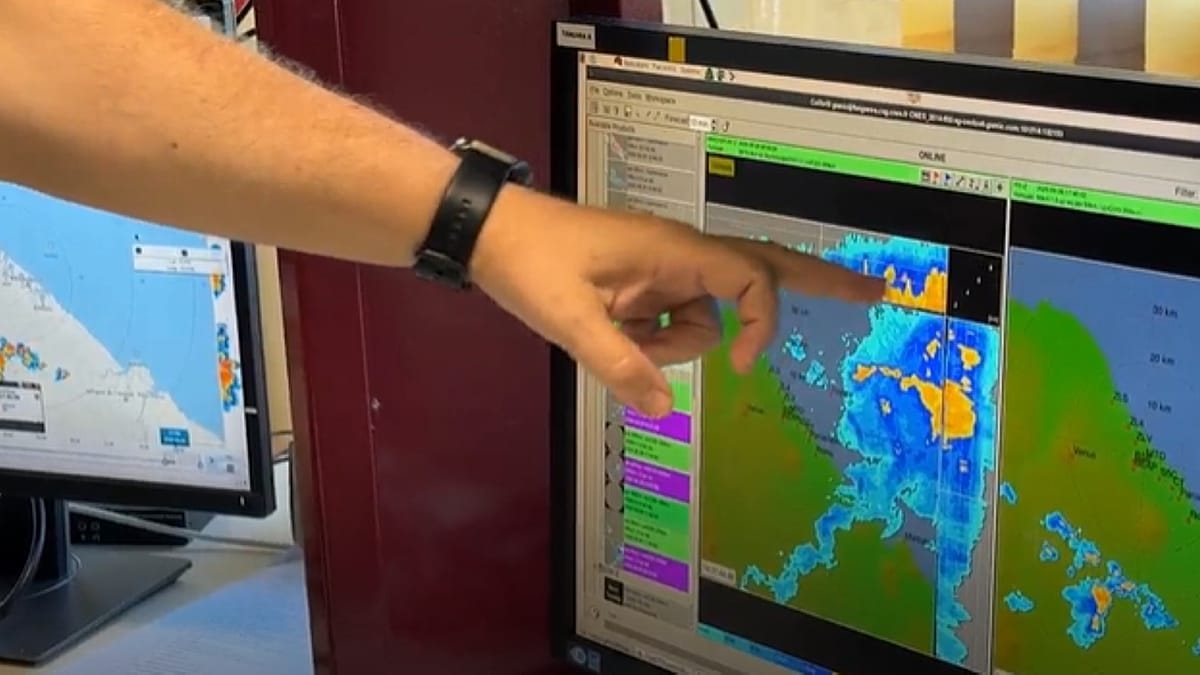
"Never done before": meteorologist on MTG-I2 leap to predict disasters
The European Space Agency and Eumetsat have launched the Meteosat Third Generation Imager-2 (MTG-I2) satellite, marking a significant advancement in weather for...
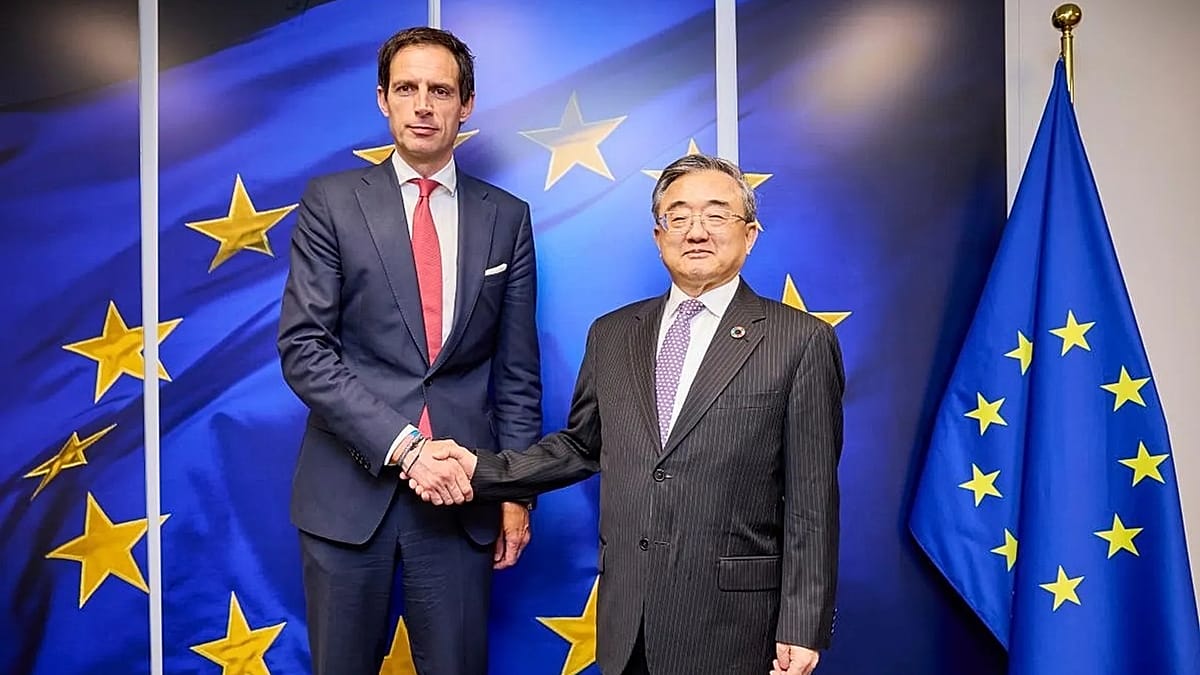
EU Climate Chief Warns China Dependence Raises Green Transition Costs
EU Climate Chief Wopke Hoekstra warns that Europe's reliance on China for clean energy tech could prolong strategic vulnerabilities and inflate costs during the green transition.
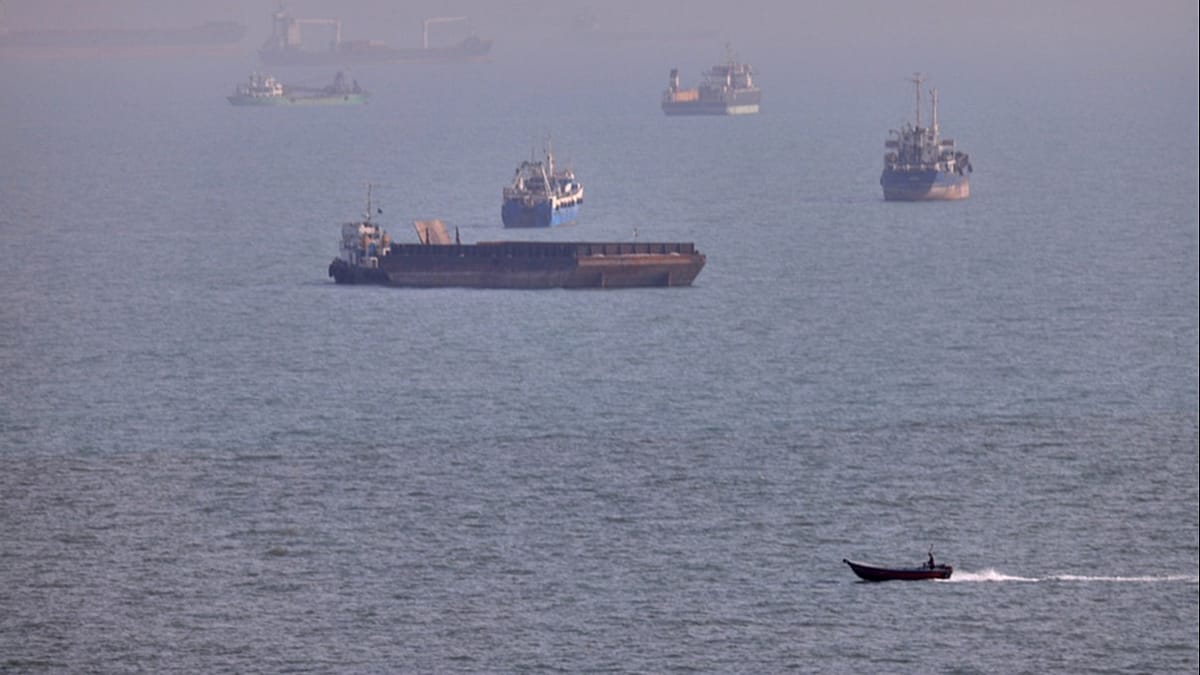
Iran fires retaliatory strikes following US attacks on Larak island in the Strait of Hormuz
US military strikes Iranian targets in Strait of Hormuz, prompting retaliatory Iranian missile attacks on US bases in Jordan The United States launched precisio...

Mumbai’s Vile Parle Cypher is giving unheard rappers a voice

Enrich and Ultimo impress

Karnataka CM Signals Review of 5% Park Land Amendment Bill in Assembly

