Hotel Occupancy Rises 4.4% YoY Amid 2025 Travel Slowdown, Experts Say
Hotel occupancy in 2025 saw a 4.4% year‑over‑year increase, despite early‑year travel weakness. Analysts note the uptick as a sign of gradual recovery in the hospitality sector.

Hotel occupancy rates experienced a modest improvement in early January 2026 compared to the same period in 2025, according to industry tracking data. Data from industry sources, reported by Calculated Risk on January 11, 2026, indicates a 4.4% year-over-year increase in occupancy rates for hotels nationwide. While the uptick suggests a gradual recovery in the hospitality sector, analysts caution that early January typically represents one of the slowest travel periods of the year, making definitive assessments premature.
The travel industry traditionally observes reduced activity in the first weeks of January due to the conclusion of holiday travel and the resumption of work and school schedules. This seasonal trend can obscure underlying trends in hotel performance during the early part of the year. Industry observers note that sustained recovery in occupancy rates will depend on factors such as business travel demand, leisure tourism patterns, and broader economic conditions.
The reported increase follows a period of weakened occupancy in 2025, which continued to challenge hotel operators amid shifting consumer behavior and economic uncertainty. While the 4.4% rise offers a positive signal, it does not by itself indicate a full rebound to pre-pandemic levels or sustained growth across all market segments.
Industry analysts emphasize the need for continued monitoring of several key indicators, including average daily rates, revenue per available room (RevPAR), and group booking activity. These metrics provide deeper insight into the financial health of the sector beyond simple occupancy figures.
The data comes at a time when the hospitality industry remains cautiously optimistic about recovery prospects, supported by steady corporate travel spending and pent-up demand for leisure travel. However, the trajectory of inflation, labor costs, and potential geopolitical disruptions remain significant variables that could influence future performance.
As the year progresses, hospitality stakeholders will be closely watching indicators such as conference attendance, international travel recoveries, and consumer confidence levels to assess the durability of the current uptick in occupancy.
For now, the modest improvement in early January serves as a tentative positive sign, but industry experts stress that a full recovery will require sustained demand throughout the year and across all segments of the market.
Comments (0)
No comments yet — be the first to weigh in.

Free School Uniform Swap Shop Saves Welsh Families £50m Annually
A Cardiff father's school uniform swap shop initiative has grown to 200 schools, helping Welsh families save £50m yearly while promoting sustainability and reducing clothing waste.

Poland, US Explore Permanent Military Bases: Defense Talks Underway
Poland and the US are discussing permanent American military bases in Poland, focusing on defense capabilities rather than troop numbers. Nuclear warheads are not part of the plans.
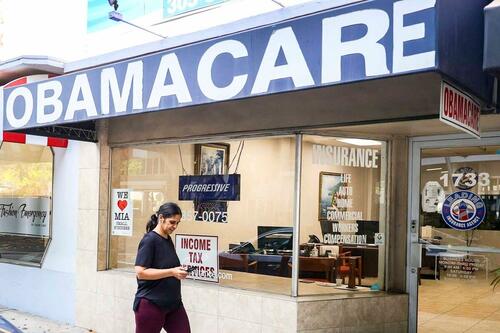
Taxpayers Lost $65B to Obamacare Fraud in 2024; Feds Crack Down
A Paragon Health Institute report reveals $65 billion in taxpayer losses due to Obamacare and Medicaid fraud in 2024, with improper enrollments rising in 2025.
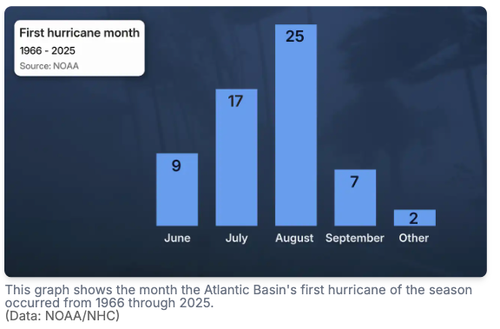
El Niño Delaying 2026 Atlantic Hurricane Season as Dolly Nears Florida
El Niño's wind shear suppresses 2026 Atlantic hurricane activity, delaying first hurricane as Tropical Storm Dolly's remnants approach Florida and the Caribbean.

Mumbai’s Vile Parle Cypher is giving unheard rappers a voice

Enrich and Ultimo impress

Karnataka CM Signals Review of 5% Park Land Amendment Bill in Assembly

