How Extreme Heat Strains Wildfire Firefighters: Health Risks & Solutions
Extreme heat and wildfires are pushing U.S. firefighters to their limits in 2026, with high core temperatures, dehydration, and long shifts causing severe health risks. Learn how heat affects their bodies and what can be done to reduce dangers.
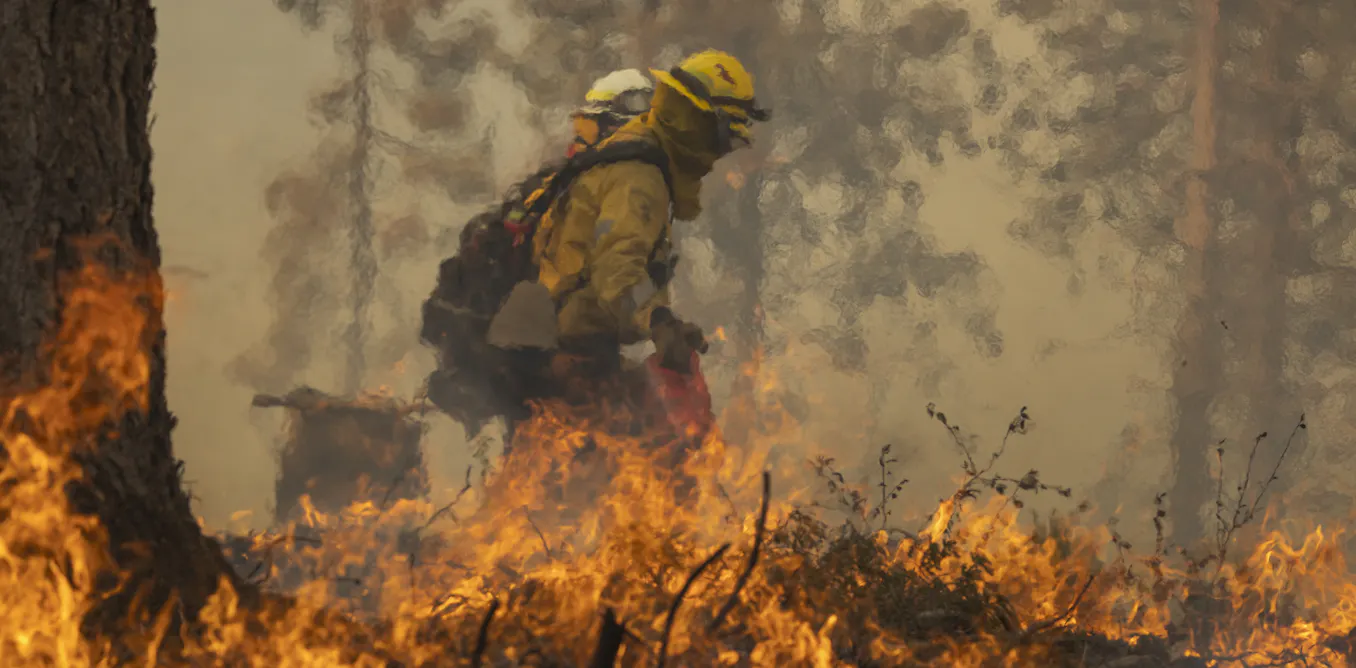
Firefighters across the United States are facing unprecedented challenges as extreme heat and relentless wildfires push their physical limits, straining emergency response systems nationwide. With the U.S. national fire preparedness level at its highest—Level 5—for weeks this summer, crews are battling more than 90 large wildfires amid soaring temperatures, particularly in the Southwest and Texas, where daytime readings have repeatedly exceeded 100 degrees Fahrenheit (38 degrees Celsius). Firefighters, many operating under prolonged shifts and grueling conditions, are confronting a growing public health crisis that threatens not only their immediate safety but their long-term wellbeing.
Wildland firefighters endure heat from three sources: the environment, the fire itself, and metabolic strain from physical exertion. Hiking steep terrain, clearing brush, and constructing firebreaks generate internal heat, while intense sunlight and radiant heat from flames compound the stress on the body. To cool down, the body diverts blood flow to the skin while supplying oxygen to muscles, forcing the heart to work harder. Fluid loss can reduce blood volume, elevate heart rates, and intensify fatigue—making physically demanding tasks feel increasingly difficult. Research underscores the severity of this strain. In a study of 221 wildland firefighters, 61% recorded core body temperatures of at least 100°F (38°C), and half reached a physiological strain index of 6 or higher on a 0-to-10 scale, with most remaining above that threshold for over 30 minutes.
The immediate health risks are significant. Heat strain can escalate from fatigue and dizziness to heat exhaustion or heat stroke, a life-threatening condition that can damage vital organs. Prolonged exposure also increases the risk of rhabdomyolysis, a muscle breakdown that may lead to kidney injury. Between 2010 and 2020, the National Institute for Occupational Safety and Health documented 62 severe cases among wildland firefighters, with the actual number likely higher. Cognitive performance is also compromised. A 2025 field study found that firefighters averaged 13.8-hour shifts during active fire suppression and received only 6.7 hours of sleep, a combination linked to reduced decision-making ability and slower reaction times—critical factors when responding to rapidly evolving fire conditions.
The cumulative toll extends beyond individual shifts. Firefighters often return to duty before fully recovering, sleeping in warm, smoke-filled camps and facing renewed exposure the next day. Over time, this cycle may contribute to chronic health issues affecting the heart, lungs, and kidneys. Smoke inhalation presents another major hazard. Unlike structural firefighters, wildland crews typically work without full respiratory protection, exposing them to fine particulate matter and toxic gases. A 2019 study estimated that, depending on career fire exposure, cumulative smoke could increase a firefighter’s risk of dying from lung cancer by 8% to 43% and cardiovascular disease by 16% to 30%. A 2025 study of 39 firefighters also detected temporary kidney function declines during a single fire incident, raising concerns about long-term renal damage.
Addressing these risks requires a multipronged strategy. Fire management agencies must prioritize firefighter health by ensuring adequate staffing, enforcing realistic shift limits, and providing proper recovery time between deployments. Real-time health monitoring can help detect early signs of heat stress, kidney injury, or burnout. The public also plays a role in reducing fire risks. According to the National Interagency Fire Center, 85% of U.S. wildfires are human-caused. Simple precautions—such as fully extinguishing campfires, checking fire restrictions, avoiding outdoor burning on high-risk days, and maintaining vehicles to prevent sparks—can significantly lower ignition risks. Property owners in wildfire-prone areas can further help by creating defensible space and evacuating promptly during emergencies, reducing the need for high-risk firefighting interventions.
As wildfires intensify under climate change, the pressure on firefighters will only grow. Ensuring their safety and resilience is not just an occupational necessity—it is a societal obligation. Only by sharing the burden can communities continue to rely on these dedicated professionals when disaster strikes.
#WildfireResponse #FirefighterHealth #HeatStress #WildfireSafety #ClimateChange #NIOSH #FireManagement #SWFireFighters
Comments (0)
No comments yet — be the first to weigh in.

NASA Launches Nancy Grace Roman Telescope to Unlock Universe's Mysteries
NASA's new Nancy Grace Roman Space Telescope lifts off from Florida to study dark energy, exoplanets, and cosmic mysteries with unprecedented precision and scope.

Nature reserves spot rare species during heatwaves
Nature reserves in Hertfordshire and Middlesex have documented rare species this summer, with volunteers spotting wildlife not seen in decades and some even for...

Inmates at HMP La Moye craft boxes to save Jersey's hedgehogs
Prisoners at HMP La Moye have crafted nesting and feeding boxes to support Jersey's hedgehog population, boosting rehabilitation and community engagement.
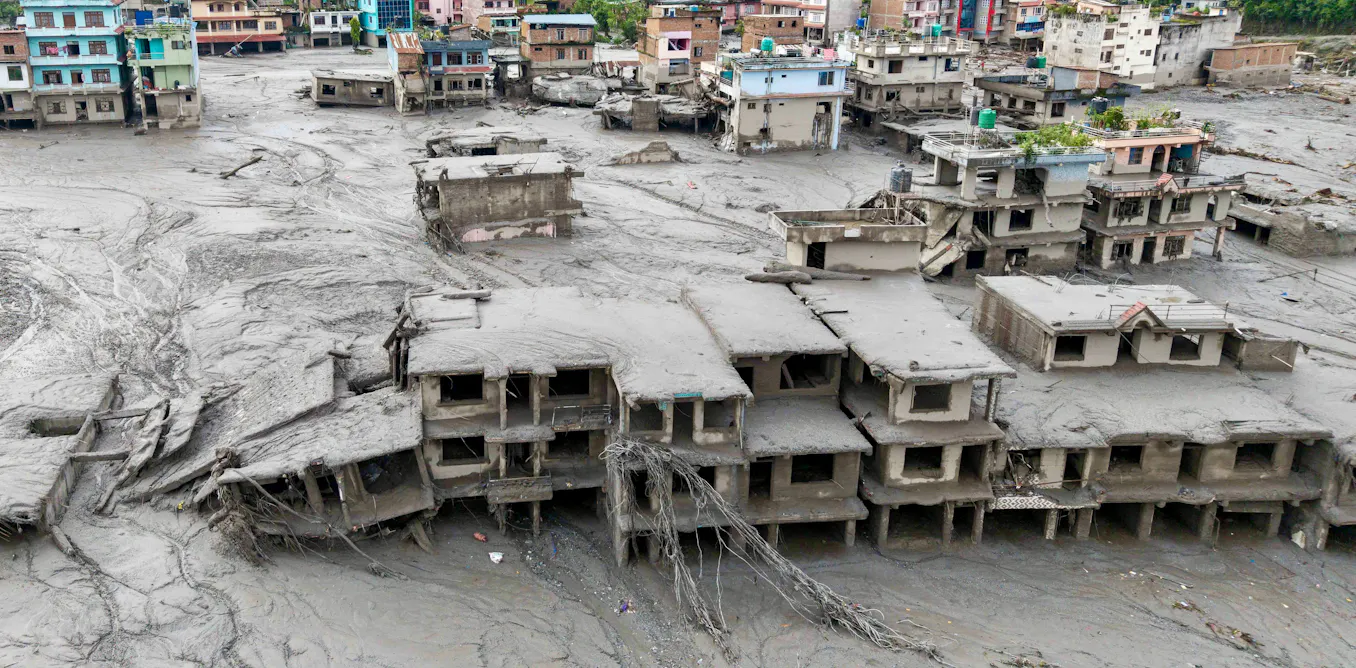
2026 Nepal Flood: Ice‑Rock Avalanche, Glacial Lake Outburst and Climate‑Change Risks
A massive ice‑rock avalanche triggered a catastrophic flood in Nepal on Aug. 26 2026, followed by a glacial lake outburst that devastated towns and hydropower plants. Climate‑change‑driven thawing increased the risk.

Mumbai’s Vile Parle Cypher is giving unheard rappers a voice

Enrich and Ultimo impress

Karnataka CM Signals Review of 5% Park Land Amendment Bill in Assembly

