How Irish Parents Can Support Their Kids Through College Transition
Irish parents learn to shift from manager to mentor as their children start college, tackling costs, key deadlines, commuting, and access to student support services.

The transition from secondary school to third-level education marks a major change for both students and their families in Ireland. Joan Broderick, a college adviser and founder of Pathways.ie, emphasizes that parents must shift from managing every detail to acting as mentors, ensuring their children have the information and support they need before, during, and after the move to college.
Parents often struggle with the shift in responsibility, particularly when it comes to understanding costs, deadlines, and available supports. Broderick highlights the importance of early conversations about budgets, part-time work, and financial planning. She advises parents to mark key deadlines—such as the October 21 withdrawal date and mid-January cut-off—for withdrawing from courses without financial penalties. Missing these dates can lead to significant expenses, as Broderick knows from personal experience when her son had to repeat first year at a cost of €9,000.
Beyond finances, Broderick stresses the importance of location and accommodation. She recommends considering local colleges or digs near campus to reduce commuting stress, which can negatively impact a student’s experience. She also advises parents to think carefully about the type of institution—technological universities often offer more hands-on learning, while traditional universities may focus on research and critique.
For students with learning difficulties or disabilities, Broderick suggests parents help their children access supports through college disability or access offices. Many students benefit from registering with the Disability Access Route to Education (DARE) through the CAO, which connects them with additional exam time, assistive technology, and other accommodations. Broderick cautions students against leaving challenges like dyslexia or dyspraxia "at home," urging them to seek help early.
Social connection is another key factor in a successful college experience. Broderick encourages students to prioritize attendance in the first six to eight weeks, attend all lectures, and engage with peers in places like student union areas or college societies. These steps help students settle in, reduce feelings of isolation, and foster a sense of belonging.
Balancing support without over-managing is crucial, says Broderick. While parents may worry about letting go, stepping back too little can also be harmful. She advises parents to step into the mentor role, guiding rather than controlling, and to encourage students to take ownership of their own challenges.
#CollegeTransition #Ireland #JoanBroderick #DARE #ThirdLevelEducation #StudentSupport
Comments (0)
No comments yet — be the first to weigh in.

TAP ends first half with almost €100 million loss amid rising fuel costs
Portuguese national airline TAP Air Portugal posted a net loss of 99.2 million euros in the first half of the year, driven largely by surging jet fuel costs lin...
"Never done before": meteorologist on MTG-I2 leap to predict disasters
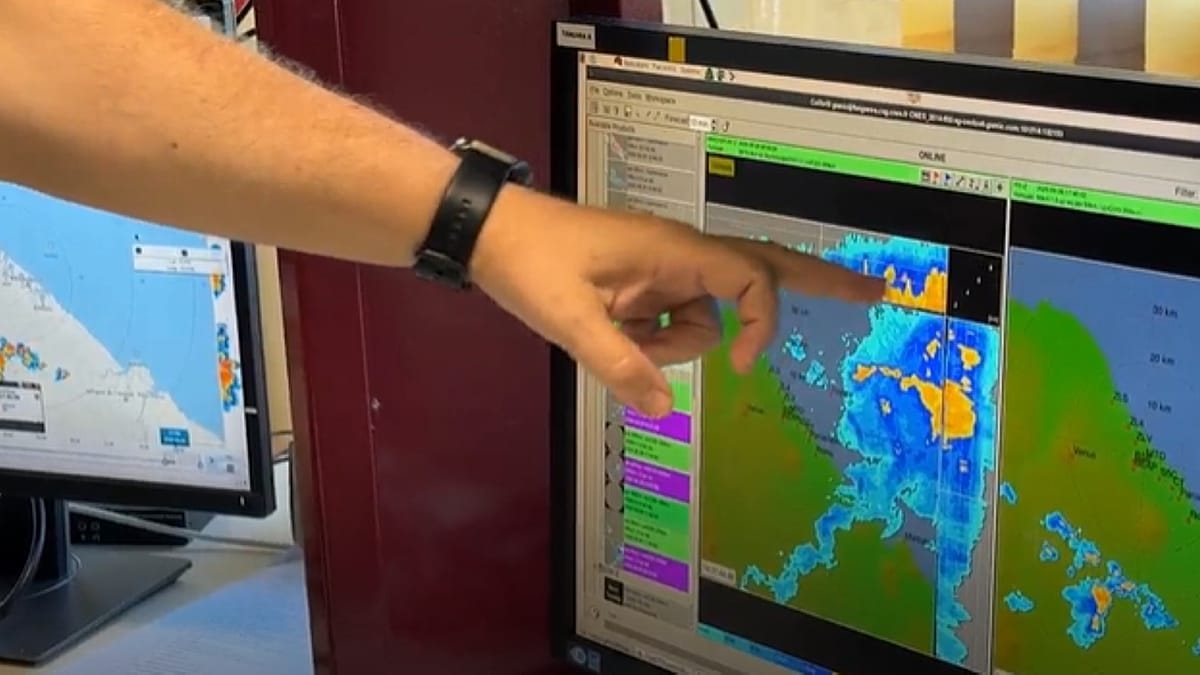
The European Space Agency and Eumetsat have launched the Meteosat Third Generation Imager-2 (MTG-I2) satellite, marking a significant advancement in weather for...

EU Climate Chief Warns China Dependence Raises Green Transition Costs
EU Climate Chief Wopke Hoekstra warns that Europe's reliance on China for clean energy tech could prolong strategic vulnerabilities and inflate costs during the green transition.

Iran fires retaliatory strikes following US attacks on Larak island in the Strait of Hormuz
US military strikes Iranian targets in Strait of Hormuz, prompting retaliatory Iranian missile attacks on US bases in Jordan The United States launched precisio...

Mumbai’s Vile Parle Cypher is giving unheard rappers a voice

Enrich and Ultimo impress

Karnataka CM Signals Review of 5% Park Land Amendment Bill in Assembly

