How Secy Bessent Is Going Full-Hegseth Retard To No Avail
Six months after the United States and Israel launched what was described as a decisive military campaign against Iran on February 28, the operation has failed to achieve its stated objectives, according to military analysts and regional experts. The initial goal of swiftly degrading Iran’s nuclear and military infrastructure has instead resulted in a protracted stalemate, with no clear path to victory for either side.
The operation, codenamed Operation Epic Fury, was framed as a rapid, overwhelming strike to cripple Iran’s nuclear program and weaken its regional influence. However, military assessments indicate that the campaign has neither destroyed Iran’s nuclear capabilities nor significantly reduced its military presence in neighboring countries. Instead, the conflict has entered a phase of mutual attrition, where neither side has gained a decisive advantage.
Analysts point to several factors contributing to the operation’s lack of success. Iran’s military infrastructure, dispersed across hardened underground facilities, has proven resilient to sustained airstrikes. Additionally, Iran’s proxy forces in Iraq, Syria, Lebanon, and Yemen have continued to operate with relative impunity, launching attacks against U.S. and allied targets without triggering a broader escalation. This has limited the effectiveness of the initial strikes, which were intended to shock Iran into submission.
The human and financial costs of the campaign have also risen sharply. The U.S. has reportedly spent billions of dollars on airstrikes, intelligence operations, and logistical support, while suffering casualties among its forces and those of its allies. Iran, despite sustaining damage to its infrastructure, has avoided significant losses to its leadership or core military units. The prolonged nature of the conflict has raised concerns among U.S. allies in the Middle East, many of whom have called for a diplomatic resolution rather than continued military engagement.
In response to the stalemate, there have been growing calls within the U.S. and international community for a shift in strategy. Some analysts suggest that the campaign’s failure underscores the limitations of military force in achieving political objectives in complex regional conflicts. Others argue that the operation has inadvertently strengthened Iran’s resolve, uniting its population against external aggression and reinforcing its narrative of resistance.
The Biden administration has yet to publicly address the campaign’s lack of progress in detail, though officials have reiterated their commitment to preventing Iran from obtaining nuclear weapons. Meanwhile, Israel has continued to carry out targeted strikes, but there is no indication that these actions have altered the broader strategic landscape.
As the operation enters its seventh month, the question remains whether the U.S. and Israel will escalate their efforts or pursue alternative means to achieve their objectives. For now, the stalemate persists, with neither side able to claim a clear victory.
Comments (0)
No comments yet — be the first to weigh in.

Free School Uniform Swap Shop Saves Welsh Families £50m Annually
A Cardiff father's school uniform swap shop initiative has grown to 200 schools, helping Welsh families save £50m yearly while promoting sustainability and reducing clothing waste.

Poland, US Explore Permanent Military Bases: Defense Talks Underway
Poland and the US are discussing permanent American military bases in Poland, focusing on defense capabilities rather than troop numbers. Nuclear warheads are not part of the plans.

Taxpayers Lost $65B to Obamacare Fraud in 2024; Feds Crack Down
A Paragon Health Institute report reveals $65 billion in taxpayer losses due to Obamacare and Medicaid fraud in 2024, with improper enrollments rising in 2025.
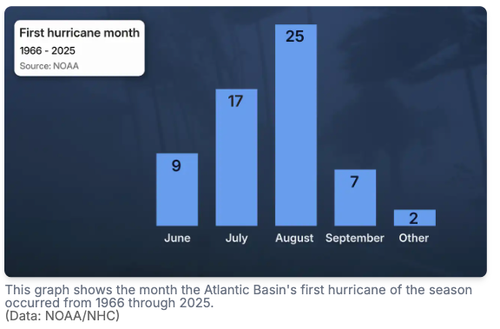
El Niño Delaying 2026 Atlantic Hurricane Season as Dolly Nears Florida
El Niño's wind shear suppresses 2026 Atlantic hurricane activity, delaying first hurricane as Tropical Storm Dolly's remnants approach Florida and the Caribbean.

Mumbai’s Vile Parle Cypher is giving unheard rappers a voice

Enrich and Ultimo impress

Karnataka CM Signals Review of 5% Park Land Amendment Bill in Assembly

