Iceland's EU Referendum: A Knife-Edge Vote on Fish and Sovereignty
Iceland votes in a tight referendum on EU membership, with fishing rights and sovereignty at the heart of the debate. Results could reshape Nordic geopolitics.
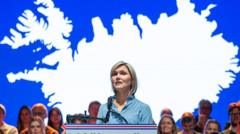
Iceland on Saturday holds a closely contested referendum on whether to resume European Union membership talks, a vote where economic concerns and fishing rights are the dominant issues.
Polling suggests the outcome remains uncertain, with a survey this week placing support for joining the EU at 51.3% and opposition at 48.7%. An earlier poll had shown the two sides nearly tied.
The referendum follows a pledge by Iceland’s center-left government, elected in 2024, to hold the vote by 2027. The decision comes amid shifting geopolitical pressures, including Russia’s war in Ukraine, rising Arctic tensions, and trade tensions under U.S. President Donald Trump, who has raised concerns about NATO and made controversial remarks about Greenland.
Iceland, home to about 400,000 people, is currently outside the EU but part of the European Economic Area (EEA), which gives it access to the single market and the Schengen free-travel zone. It began EU accession talks after the 2008 financial crisis but abandoned them in 2013, largely due to disputes over fishing rights.
Fisheries and marine industries account for nearly 40% of Iceland’s exports, and opponents of EU membership argue that joining would force the country to cede control of its waters under the EU’s Common Fisheries Policy. “They’d be expelled from the country,” said Eirikur Bergmann, a political science professor at Bifröst University, referring to the political risks of compromising on fishing rights.
Prime Minister Kristrún Frostadóttir supports EU membership, citing benefits such as currency stability and trade security. Finance Minister Daði Már Kristófersson told the BBC that a “Yes” vote would strengthen Iceland’s position amid growing global uncertainty.
Supporters argue that joining the EU and adopting the euro could help curb Iceland’s high inflation, which is among the highest in Europe. Consumer prices in Iceland are 84% above the EU average, according to recent analysis, and interest rates have reached 8%.
However, critics say EU policies would prioritize the interests of 450 million consumers over a nation of just 400,000. Opposition leader Guðrún Hafsteinsdóttir has vowed to protect Iceland’s fishing waters, calling them “priceless.”
Security concerns have also played a role in the debate. Iceland has no standing military but is a NATO member and hosts allied aircraft at Keflavik Air Base. Recent Russian maritime activity near Iceland and uncertainty over U.S. defense commitments have raised questions about the country’s long-term security. In June, Icelandic authorities reported tracking a Russian intelligence ship passing through its Exclusive Economic Zone.
Despite these factors, geopolitics has received relatively little attention in the public debate. Snærós Sindradóttir of the European Movement in Iceland expressed frustration that the referendum is not being framed primarily as a security decision. “The referendum is happening now 100% because of security matters,” she said.
A “Yes” vote would restart negotiations with Brussels, though any final deal would require a second referendum and unanimous approval from all 27 EU member states. A “No” vote would likely shelve the issue for the foreseeable future.
Neighboring Norway, which is also in the EEA but not the EU, is watching the result closely. While traditionally Eurosceptic, support for EU membership has grown there as well.
If Iceland votes to proceed, talks could move quickly, according to officials, with 11 of the 35 negotiation chapters already agreed in previous rounds. The outcome will be closely observed as the EU seeks to expand its membership in a rapidly changing geopolitical landscape.
Comments (0)
No comments yet — be the first to weigh in.

TAP ends first half with almost €100 million loss amid rising fuel costs
Portuguese national airline TAP Air Portugal posted a net loss of 99.2 million euros in the first half of the year, driven largely by surging jet fuel costs lin...
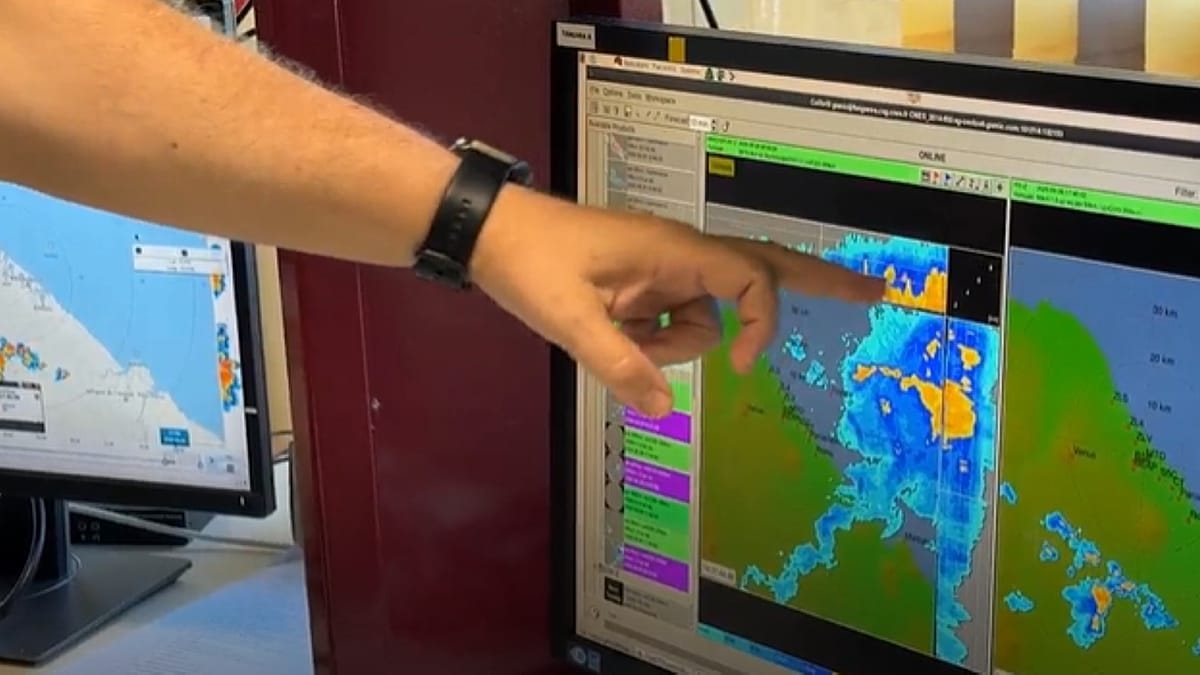
"Never done before": meteorologist on MTG-I2 leap to predict disasters
The European Space Agency and Eumetsat have launched the Meteosat Third Generation Imager-2 (MTG-I2) satellite, marking a significant advancement in weather for...
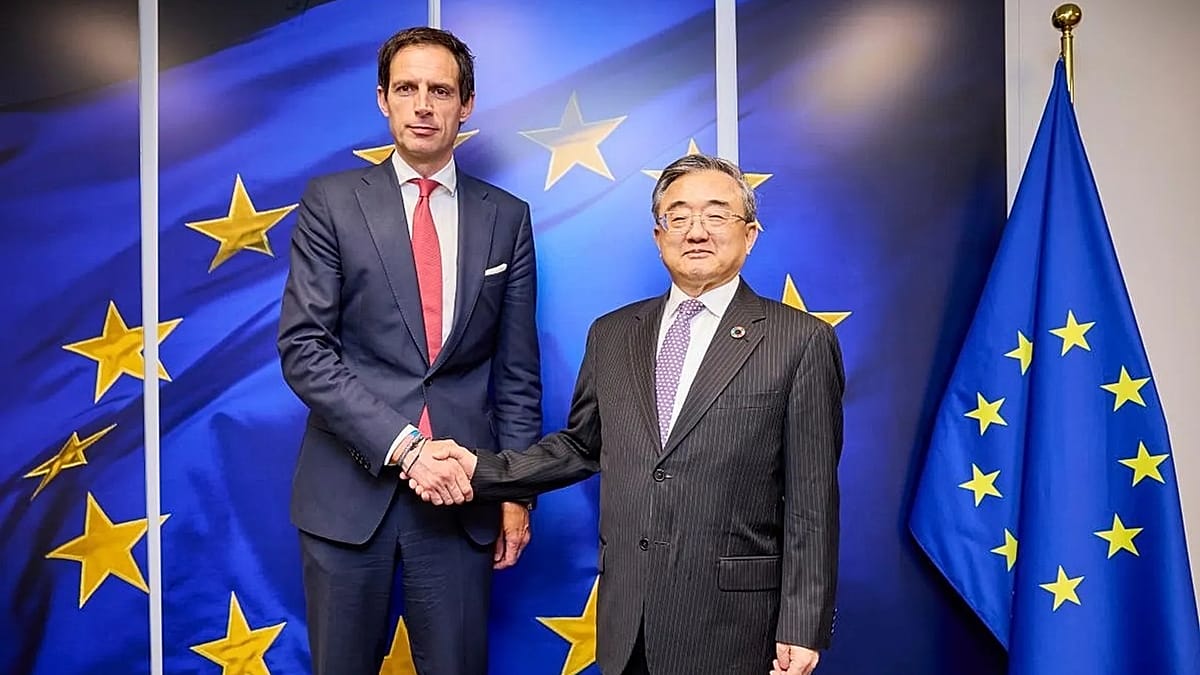
EU Climate Chief Warns China Dependence Raises Green Transition Costs
EU Climate Chief Wopke Hoekstra warns that Europe's reliance on China for clean energy tech could prolong strategic vulnerabilities and inflate costs during the green transition.
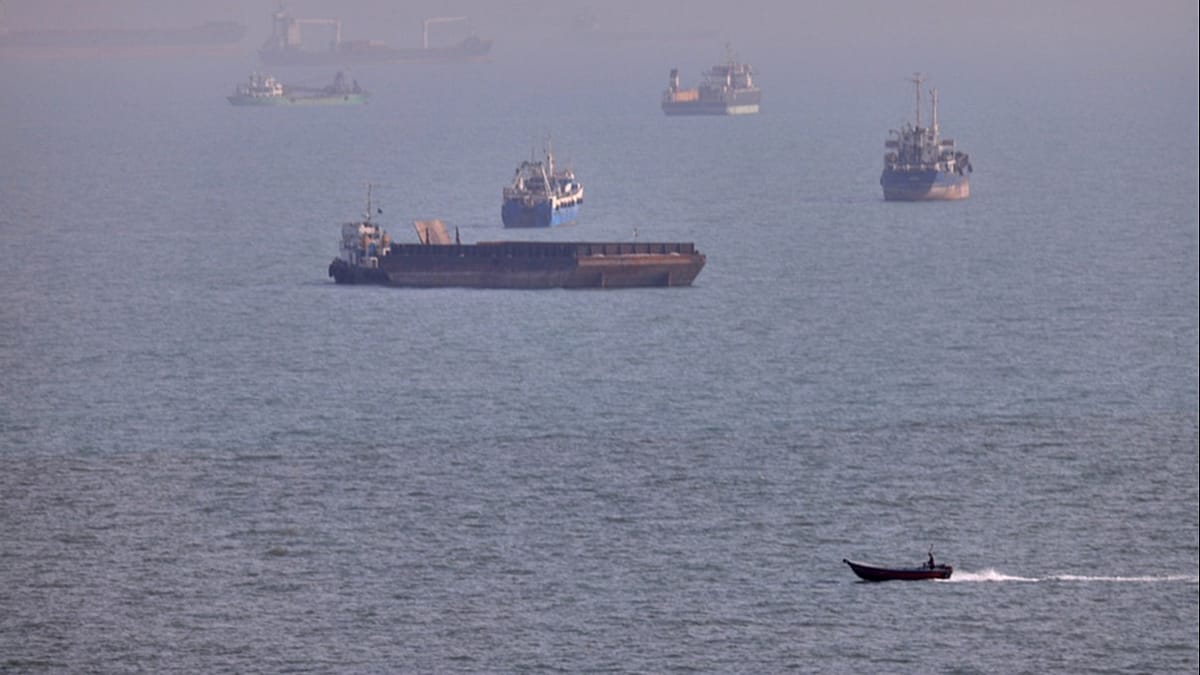
Iran fires retaliatory strikes following US attacks on Larak island in the Strait of Hormuz
US military strikes Iranian targets in Strait of Hormuz, prompting retaliatory Iranian missile attacks on US bases in Jordan The United States launched precisio...

Mumbai’s Vile Parle Cypher is giving unheard rappers a voice

Enrich and Ultimo impress

Karnataka CM Signals Review of 5% Park Land Amendment Bill in Assembly

