Imprisoned French Journalist Christophe Gleizes: Demand Algeria for Release
French journalist Christophe Gleizes has been held in Algeria since June 2025; colleagues call for his immediate release.
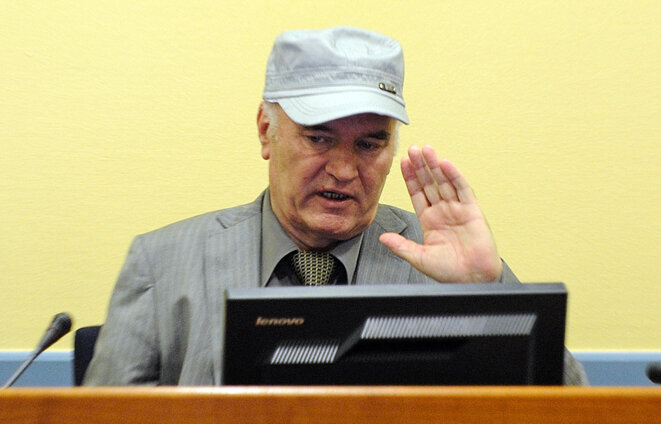
Ratko Mladić, former Bosnian Serb military leader known as the "Butcher of Bosnia," has died in custody at the age of 78. The announcement was made by Serbian prison authorities on June 28, 2025, following a long illness. Mladić had been serving a life sentence for genocide, war crimes, and crimes against humanity committed during the Bosnian War of the 1990s.
Born on March 12, 1942, in Božanovići, Bosnia and Herzegovina, Mladić rose through the ranks of the Yugoslav People's Army before becoming a key figure in the Bosnian Serb forces. He played a central role in the siege of Sarajevo and the Srebrenica massacre in 1995, where over 8,000 Bosnian Muslim men and boys were killed. These events led to his indictment by the International Criminal Tribunal for the former Yugoslavia (ICTY) in 1995.
After years as a fugitive, Mladić was arrested in 2011 in Lazarevo, Serbia, and transferred to the ICTY in The Hague. His trial began in 2012, and in 2017, he was found guilty on 10 of 11 charges, including the genocide at Srebrenica and the persecution of Bosniaks and Croats. The tribunal concluded that Mladić’s actions were part of a coordinated campaign to ethnically cleanse non-Serbs from Bosnia.
Throughout his trial, Mladić maintained his innocence, arguing that his actions were those of a soldier defending Serb interests. His legal appeals were exhausted in 2023, and he was transferred to a Serbian prison to serve his sentence.
Mladić’s death has drawn mixed reactions. Serbian President Aleksandar Vučić expressed condolences to Mladić’s family, stating that while Mladić’s actions were deplorable, his death should not be celebrated. In Bosnia, reactions were divided. Some survivors of the war and victims’ families expressed relief that Mladić did not live to see his sentence fully served, while others saw his death as a final insult to those who suffered under his command.
Human rights organizations, including the ICTY’s successor body, the Mechanism for International Criminal Tribunals (MICT), have reiterated that Mladić’s death does not diminish the gravity of his crimes. The MICT stated that his conviction remains a crucial legal record of the atrocities committed during the Bosnian War.
Mladić’s death also comes at a time of heightened tensions in the Balkans, where nationalist sentiments remain strong. Analysts warn that his legacy could further polarize communities still grappling with the wounds of the 1990s conflict.
In Serbia, where Mladić was once a controversial but popular figure among some nationalist groups, his death has reignited debates over his legacy. While the government has distanced itself from his actions, some far-right groups continue to portray him as a hero.
As the world reflects on Mladić’s life and death, his case remains a stark reminder of the consequences of unchecked nationalism and the enduring need for justice in post-conflict societies.
Comments (0)
No comments yet — be the first to weigh in.

Iran-US Tensions Escalate Amid Hormuz Strait Crisis – Live Updates
Iranian President Pezeshkian seeks diplomatic solutions with global leaders at SCO summit in Kyrgyzstan amid rising US tensions over Hormuz Strait.

Search continues for 18 passengers after ferry capsized in northern Cyprus
Search and rescue operations are continuing off the coast of Kyrenia in northern Cyprus after a passenger ferry capsized and sank on Sunday, leaving at least ei...

Swiss Man Arrested After Deadly Rave Shooting Kills Italian Woman
A 43-year-old Swiss suspect has been arrested after a shooting at a techno rave in Aarau left one woman dead and several others injured. Authorities continue their investigation.

England attack's 2005 comparisons fair - Trescothick
England’s new pace attack is drawing comparisons to the legendary Ashes-winning quartet of 2005, according to interim head coach Marcus Trescothick. The current...

Mumbai’s Vile Parle Cypher is giving unheard rappers a voice

Enrich and Ultimo impress

Karnataka CM Signals Review of 5% Park Land Amendment Bill in Assembly

