Israel's 2.6M Students Return to School Amid Education Reforms and Protests
Israel's 2.6 million students resume classes as the Education Ministry introduces financial literacy and AI reforms, amid teacher shortages and protests over militarization.

Nearly 2.6 million Israeli students will return to classrooms on Tuesday, filling about 28,000 schools nationwide. The influx includes roughly 180,000 first‑graders and 143,000 twelfth‑graders, marking a significant moment as the Education Ministry announces reforms aimed at bolstering financial literacy and integrating artificial intelligence into the curriculum.
The Ministry’s announcement comes amid a persistent shortage of qualified teachers, a problem that has prompted calls for additional training programs and incentives for educators. Officials say the new initiatives will provide teachers with specialized resources and professional development focused on technology and money‑management skills.
At the same time, students and parents have taken to the streets in several cities to protest what they describe as the militarization of schools. Demonstrators argue that the presence of military instructors and security measures in classrooms creates a climate of intimidation rather than learning. The protests have drawn national attention to the broader debate over the role of the armed forces in education.
In addition to the reforms in technology and finance, the Education Ministry is expanding programs that emphasize Zionist identity. The new curriculum will include additional lessons on Jewish history, Hebrew language, and national values, according to a statement from the ministry. The move is intended to strengthen cultural cohesion, but critics worry it may marginalize minority voices within the student body.
The teacher shortage remains a critical challenge. Data released by the ministry shows that more than 3,000 schools lack a full complement of certified teachers, particularly in STEM subjects. The government has pledged to allocate extra funding for recruitment and to offer loan‑forgiveness programs for teachers who commit to long‑term service in underserved regions.
Meanwhile, the push to incorporate AI into classrooms is part of a broader national strategy to keep Israeli students competitive in a rapidly digitalizing world. Pilot programs in several high schools have already introduced AI‑driven tutoring systems, with preliminary results suggesting improvements in student engagement and comprehension.
Financial literacy courses will be mandatory for all grades starting next academic year. The curriculum will cover budgeting, credit, investments, and consumer rights, with the goal of equipping students with practical life skills. The Ministry claims the initiative will help reduce youth debt and improve financial decision‑making in adulthood.
The combination of teacher recruitment drives, technological upgrades, and ideological curriculum changes has sparked a complex debate among educators, parents, and policymakers. While some applaud the ministry’s efforts to modernize education, others warn that rapid reforms could overwhelm schools already struggling with staffing shortages.
As the nation prepares for the new school year, stakeholders will watch closely to see how these measures affect classroom dynamics, student outcomes, and the overall quality of Israeli education. The outcomes could shape the future of teaching, learning, and national identity for generations to come.
#IsraelEducation #SchoolReforms #TeacherShortage #AIinEducation #Militarization #ZionistCurriculum #StudentProtests #FinancialLiteracy
Comments (0)
No comments yet — be the first to weigh in.

Earth's magnetic field can help archaeologists sniff out forged antiquities
Researchers at the University of California San Diego have developed a new method using Earth's magnetic field to help archaeologists distinguish between a...

US, Israel, and Palestine to Hold Three Elections in 32 Days – Global Stakes
Three key elections – U.S., Israel, and Palestine – will take place from Oct. 27 to Nov. 28, shaping domestic politics and international ties.
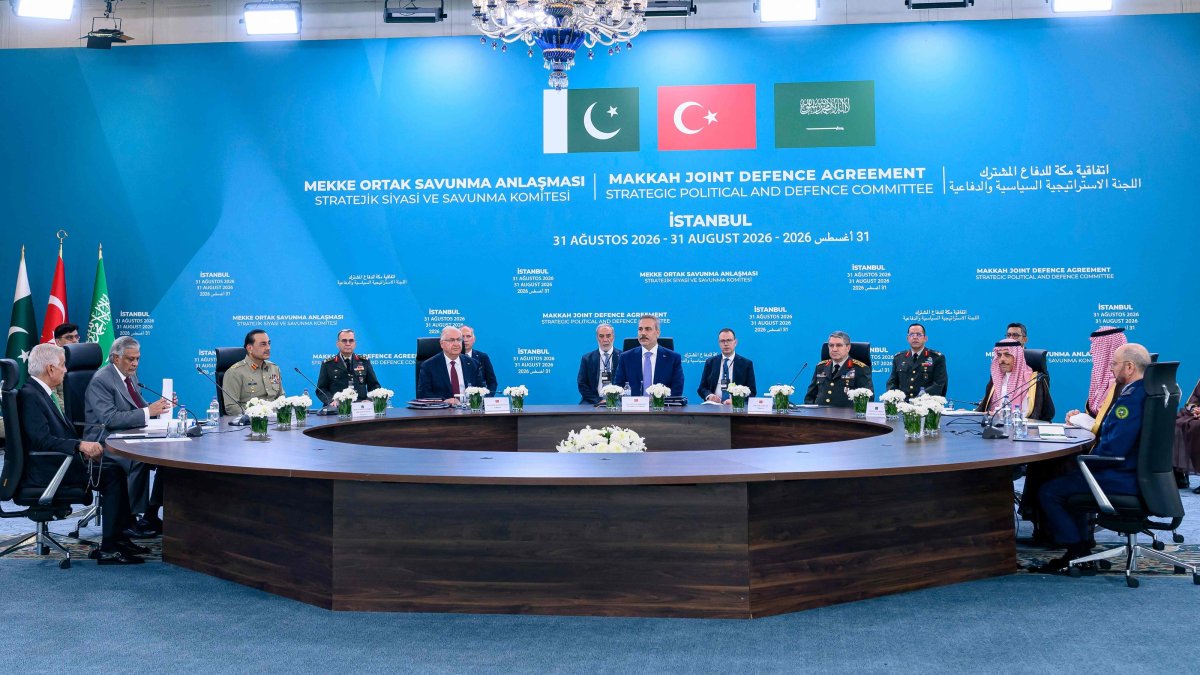
Türkiye, Pakistan, Saudi Arabia deepen joint defense framework
Türkiye, Pakistan and Saudi Arabia have agreed to deepen their defense partnership under the Mecca Agreement, taking new steps to strengthen collective deterren...
Israel Elections: Polls Show Netanyahu Losing Support to Gadi Eisenkot
Recent TV polls indicate Israeli PM Benjamin Netanyahu faces severe election losses, with opposition gaining seats and Gadi Eisenkot leading as top PM choice.

Mumbai’s Vile Parle Cypher is giving unheard rappers a voice

Enrich and Ultimo impress

Karnataka CM Signals Review of 5% Park Land Amendment Bill in Assembly

