Jellyfish Cause Partial Shutdown at France's Gravelines Nuclear Plant
A surge of jellyfish clogged cooling canals, forcing EDF to shut down four of Gravelines' six reactors. The incident highlights marine threats to nuclear safety.
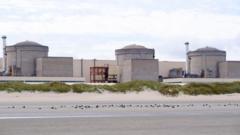
Jellyfish Influx Forces Partial Shutdown at French Nuclear Plant
Two reactors at France’s Gravelines nuclear power station were taken offline this week due to a large influx of jellyfish clogging the facility’s seawater filtration system. The shutdowns mark the second time in a year that marine life has disrupted operations at the plant.
Électricité de France (EDF), the plant’s operator, confirmed that units three and four were shut down on Wednesday and Thursday, respectively, after jellyfish obstructed the cooling system. A third reactor, unit six, has been offline since August 10 for the same reason. Unit five remains closed for a scheduled inspection.
Gravelines, one of France’s largest nuclear facilities, is located between Dunkirk and Calais in the Hauts-de-France region. The plant relies on a canal connected to the North Sea for cooling. Each of its six reactors produces 900 megawatts of electricity.
This is not the first time jellyfish have affected the plant. In August 2023, a similar influx forced temporary closures. EDF stated that after the latest shutdowns, only units one and two remain operational, though they are running at reduced capacity as a precaution.
Jellyfish populations tend to increase in warmer months, as rising sea temperatures boost plankton levels, attracting the marine creatures closer to shore. Several species are native to the region and commonly appear along the French coast during summer.
To mitigate the issue, EDF has implemented preventive measures, including collaboration with local fishermen who capture jellyfish and release them farther offshore. Similar incidents have occurred at other nuclear plants, such as Scotland’s Torness facility in 2011 and Sweden’s Oskarshamn plant in 2013, though such disruptions remain uncommon.
EDF has not provided a timeline for when the affected reactors will resume full operation. The company continues to monitor the situation and assess the effectiveness of its countermeasures.
Comments (0)
No comments yet — be the first to weigh in.

Iran-US Tensions Escalate Amid Hormuz Strait Crisis – Live Updates
Iranian President Pezeshkian seeks diplomatic solutions with global leaders at SCO summit in Kyrgyzstan amid rising US tensions over Hormuz Strait.

Search continues for 18 passengers after ferry capsized in northern Cyprus
Search and rescue operations are continuing off the coast of Kyrenia in northern Cyprus after a passenger ferry capsized and sank on Sunday, leaving at least ei...

Swiss Man Arrested After Deadly Rave Shooting Kills Italian Woman
A 43-year-old Swiss suspect has been arrested after a shooting at a techno rave in Aarau left one woman dead and several others injured. Authorities continue their investigation.

England attack's 2005 comparisons fair - Trescothick
England’s new pace attack is drawing comparisons to the legendary Ashes-winning quartet of 2005, according to interim head coach Marcus Trescothick. The current...

Mumbai’s Vile Parle Cypher is giving unheard rappers a voice

Enrich and Ultimo impress

Karnataka CM Signals Review of 5% Park Land Amendment Bill in Assembly

