Lactose Intolerance: A 1960s 'Invention' That Reinforced Racial Bias
Scientists in the 1960s framed lactose intolerance as a defect, linking it to race and boosting dairy demand. The article traces how this bias fuels racism today.

Most people around the world are lactose intolerant, a natural biological trait that became widely recognized in the 1960s. Yet the idea that lactose intolerance is a defect was shaped by mid-20th-century U.S. dairy policy, Cold War food aid, and racial assumptions in nutrition science. Researchers initially framed the condition as an “inborn error” after observing symptoms in Black prisoners and other groups consuming subsidized milk. Over time, experts confirmed that lactose intolerance is the human norm, with tolerance concentrated in populations of northern European descent. Despite this, government programs and global dietary guidelines continue to prioritize dairy, reinforcing a form of nutritional imperialism that treats white bodies as the standard.
In the 1950s, U.S. dairy producers faced a surplus after World War II. The federal government intervened, purchasing excess milk to distribute through school lunch programs and public food aid. As milk became more accessible, many children and adults—especially in allied nations like Japan and Taiwan—began consuming dairy for the first time. Reports of bloating, nausea, and diarrhea followed. Scientists launched studies, including a 1966 Baltimore experiment comparing lactose digestion in Black and white incarcerated individuals. Findings showed lower lactase enzyme levels in Black participants, leading researchers to describe their condition as a metabolic defect.
Subsequent research revealed a broader truth: lactose intolerance is a normal physiological state in most adults. A 1981 statement by the National Institutes of Health clarified that only certain ethnic groups—primarily those of northern European ancestry—retain the ability to digest lactose after infancy. Yet the earlier framing persisted in public health policy and food guidelines. The U.S. Department of Agriculture’s dietary recommendations continued to emphasize dairy consumption, while organizations like the Chinese Nutrition Society placed milk prominently in national food guides despite high rates of intolerance among Han Chinese.
This pattern reflects nutritional imperialism, a concept describing how Western dietary standards are imposed globally as universal norms. Historically, white, meat-rich diets were idealized while rice, wheat alternatives, and plant-based eating were marginalized. Differences in body chemistry—like Asian flush after alcohol—were similarly labeled deficiencies rather than natural variations. Racist ideologies have since weaponized these classifications, with white supremacists using lactose tolerance maps to claim racial superiority.
Public health experts now acknowledge that lactose intolerance is not a disease. Yet outdated labels persist in medical advice, school menus, and marketing campaigns promoting lactose-free alternatives. The key takeaway remains simple: if dairy agrees with you, consume it; if not, there is no medical or moral reason to do otherwise. Biological variation is normal—and should not be framed as deficiency.
#LactoseIntolerance #DairyDigestibility #NutritionScience #RacialBiasInHealth #PublicHealthHistory #USDA #ColdWarFoodPolicy #HumanBiology
Comments (0)
No comments yet — be the first to weigh in.

NASA Launches Nancy Grace Roman Telescope to Unlock Universe's Mysteries
NASA's new Nancy Grace Roman Space Telescope lifts off from Florida to study dark energy, exoplanets, and cosmic mysteries with unprecedented precision and scope.

Nature reserves spot rare species during heatwaves
Nature reserves in Hertfordshire and Middlesex have documented rare species this summer, with volunteers spotting wildlife not seen in decades and some even for...

Inmates at HMP La Moye craft boxes to save Jersey's hedgehogs
Prisoners at HMP La Moye have crafted nesting and feeding boxes to support Jersey's hedgehog population, boosting rehabilitation and community engagement.
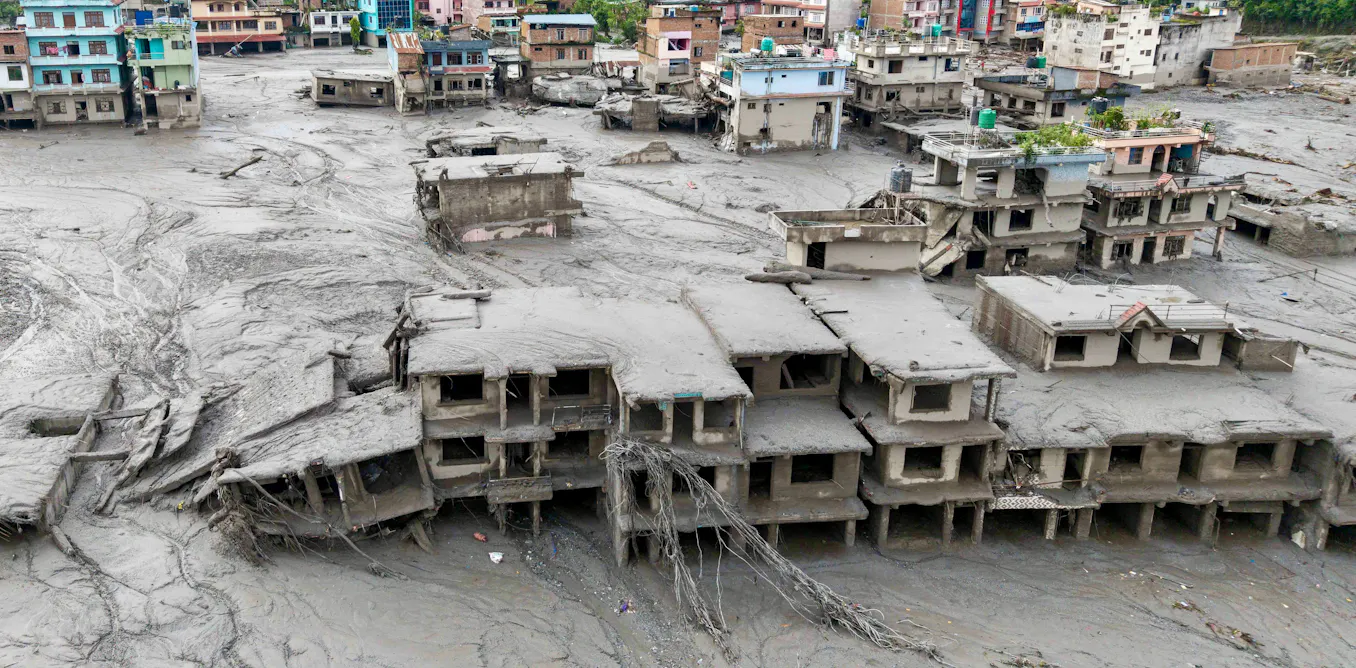
2026 Nepal Flood: Ice‑Rock Avalanche, Glacial Lake Outburst and Climate‑Change Risks
A massive ice‑rock avalanche triggered a catastrophic flood in Nepal on Aug. 26 2026, followed by a glacial lake outburst that devastated towns and hydropower plants. Climate‑change‑driven thawing increased the risk.

Mumbai’s Vile Parle Cypher is giving unheard rappers a voice

Enrich and Ultimo impress

Karnataka CM Signals Review of 5% Park Land Amendment Bill in Assembly

