Legal Guide to Recording Police: Know Your Rights & Risks
Learn about your First Amendment right to record law enforcement, legal limitations, and best practices for safely documenting police interactions.
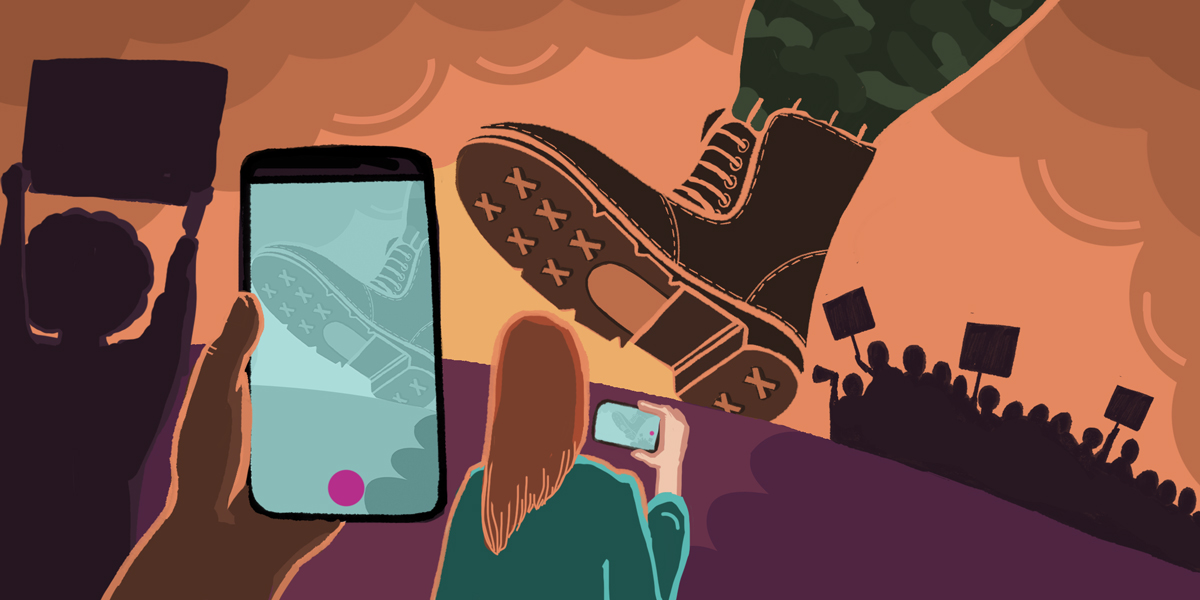
The Electronic Frontier Foundation (EFF) has released a guide outlining the legal and practical considerations for recording law enforcement officers in the United States. This resource, available in English and Spanish, aims to educate the public on their First Amendment rights regarding police recording, while also highlighting potential risks and limitations.
In the United States, individuals have the legal right to record law enforcement officers, including local police and federal agencies such as Immigration and Customs Enforcement (ICE) and Customs and Border Protection (CBP). This right is grounded in the First Amendment and has been affirmed by nine federal appellate courts, though the Supreme Court has not directly ruled on the issue. Courts generally uphold the right to record officers performing their official duties in public, as well as in private spaces where the recorder has a legal right to be, such as their own home. This includes capturing photos, video, and audio, as officers do not have a reasonable expectation of privacy while on duty in public.
However, there are limitations to this right. Courts have clarified that behavior obstructing law enforcement or compromising public safety is not protected. While officers cannot order someone to stop recording simply because they are doing so, they may instruct individuals to move for safety reasons, even if they are recording. Recording may also be restricted if the officer is off-duty or in a private space where the recorder does not have a legal right to be. For example, a Los Angeles jury in 2026 found two women guilty of felony stalking after they followed an ICE agent to his home and livestreamed the pursuit.
Despite exercising a recognized right, individuals recording law enforcement may still face escalation or retaliation from officers. To protect their footage, people can take steps to secure their recordings. Modern smartphones often encrypt data, including videos, which can be further safeguarded by using a strong passphrase and disabling biometric unlock features like face or fingerprint recognition. Enabling cloud backups through livestreaming services can also help preserve footage if the device is confiscated or damaged.
The EFF provides additional resources, including Surveillance Self-Defense guides, to help individuals understand how to secure their devices and protect their recordings. The guide serves as a practical tool for those seeking to document interactions with law enforcement while minimizing legal and personal risks.
#LawEnforcementRecording #FirstAmendment #PoliceAccountability #EFF #KnowYourRights #ICE #CBP
Comments (0)
No comments yet — be the first to weigh in.
Energy biz SSE smacked around in court by a guy and AI
An Oxford doctoral student has defeated British energy provider SSE Energy Supply in court after utilizing artificial intelligence models to build his legal def...
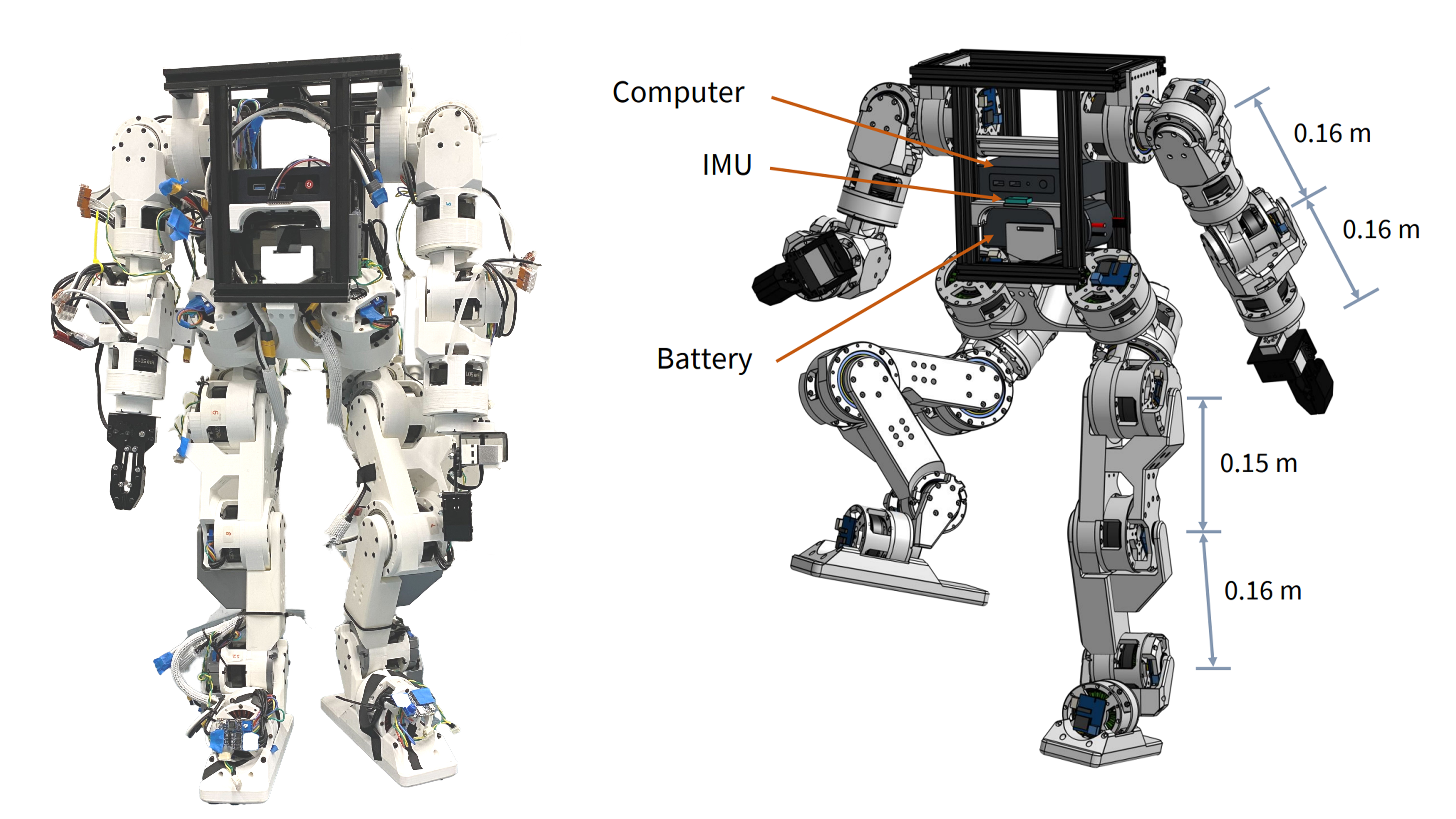
Berkeley Humanoid Lite: Affordable Open-Source Robot with DIY Actuators
Explore the Berkeley Humanoid Lite, a budget-friendly open-source robot featuring 3D-printed actuators under $5,000 USD. Learn how its modular design benefits DIY projects.
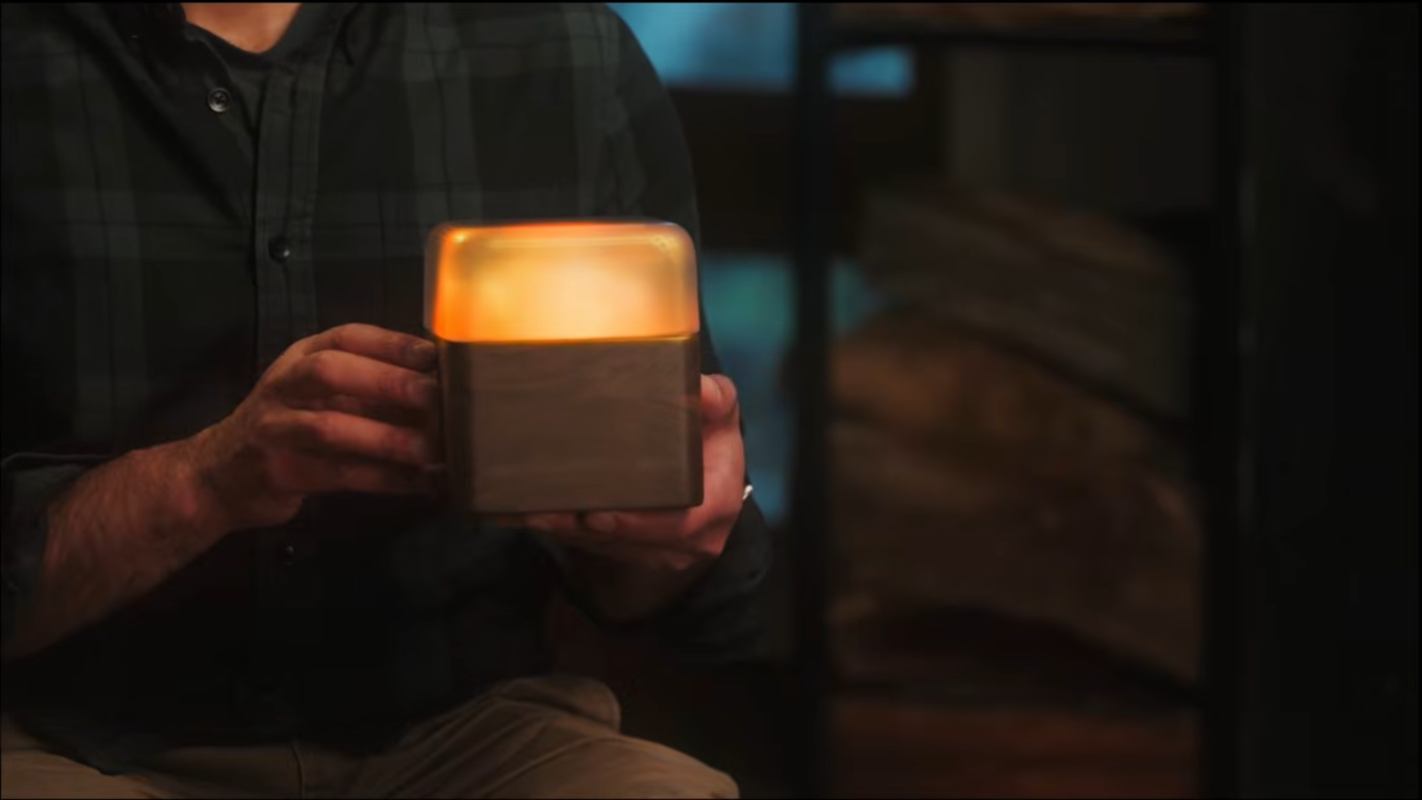
Woodstove Safety Monitor: Oru System Alerts Users to Temperature Fluctuations
Discover how the Oru woodstove assistant helps prevent dangerous chimney fires by monitoring exhaust gas temperatures and alerting users to temperature changes.
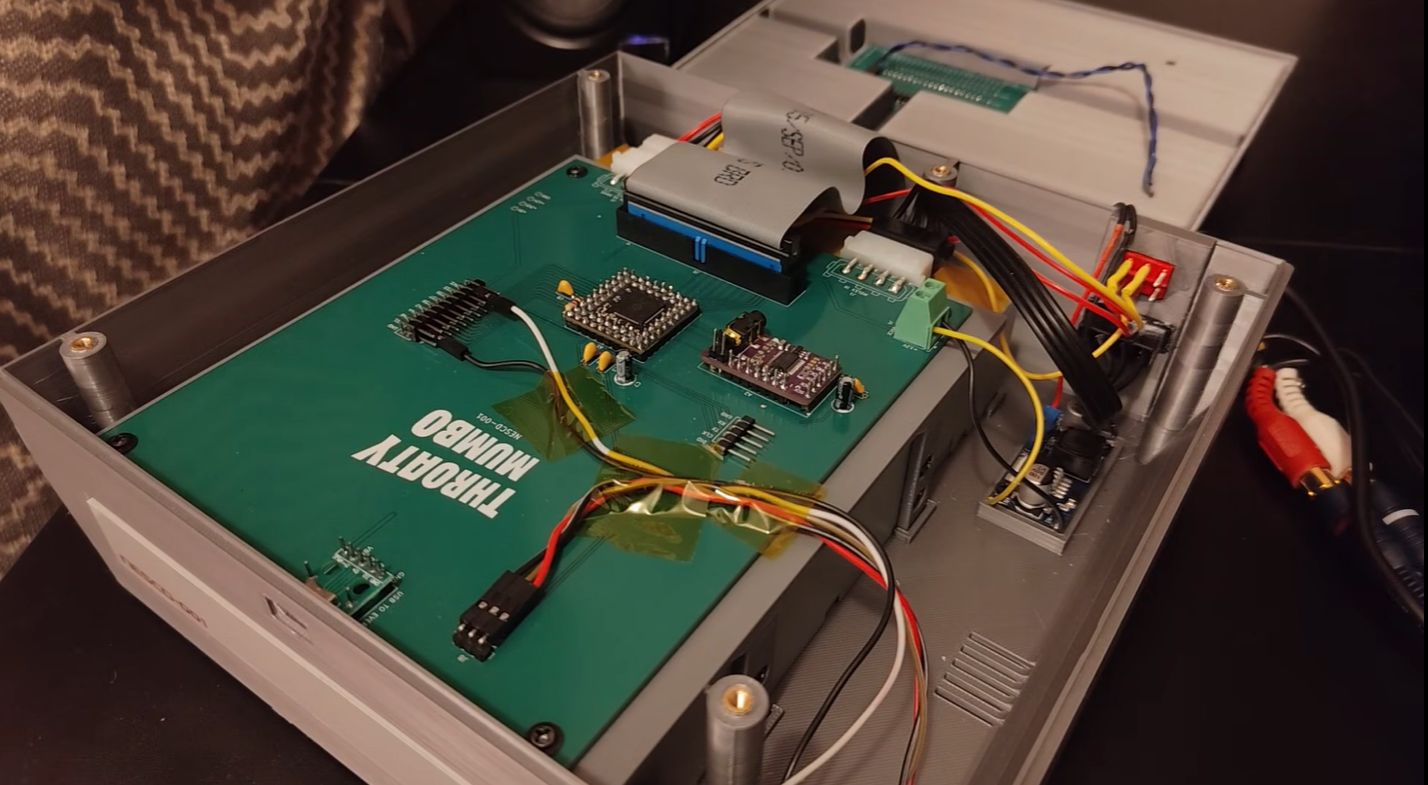
NES CD Add-On Revives 1980s Gaming with Optical Storage
Explore how a DIY project integrates a CD drive with the NES using an RP2350B microcontroller and Everdrive N8 Pro for expanded storage and audio playback.

Mumbai’s Vile Parle Cypher is giving unheard rappers a voice

Enrich and Ultimo impress

Karnataka CM Signals Review of 5% Park Land Amendment Bill in Assembly

