Links 8/27/2026

The European energy sector faces heightened concerns as gas storage levels hit a two-decade low ahead of winter, raising questions about supply security and price stability. Data from industry reports indicates that storage facilities across the continent are operating at approximately 22% capacity, the lowest level recorded since 2006. Analysts attribute the decline to reduced Russian pipeline flows, persistent maintenance delays in key infrastructure, and elevated demand from industrial users. The European Union has called for emergency measures to bolster inventories, including accelerated LNG imports and temporary regulatory easing on storage obligations. Energy ministers are scheduled to convene an extraordinary meeting next week to address the crisis.
In the United States, economic policy has taken a contentious turn as the Trump administration reinstates a Depression-era trade tool to escalate a trade dispute with Canada. The measure, authorized under Section 301 of the 1930 Tariff Act, allows the president to impose tariffs on imports without congressional approval. Critics warn that the move could trigger reciprocal actions, disrupt supply chains, and drive up consumer prices for goods ranging from lumber to dairy products. Supporters argue that the action is necessary to address unfair trade practices. The announcement comes amid growing political tensions ahead of the midterm elections, with lawmakers from both parties expressing concerns over the potential economic fallout.
Meanwhile, geopolitical tensions escalate along the Ceuta-Morocco border, where Moroccan authorities have reportedly deployed additional security forces following a series of incidents involving sub-Saharan migrants attempting to cross into the Spanish enclave. Witnesses describe increased patrols and the construction of temporary barriers, raising fears of a humanitarian crisis. Spanish officials have condemned the crackdown as a violation of international law, while Moroccan authorities cite security concerns related to human trafficking and terrorism. The European Commission has called for dialogue to de-escalate the situation, emphasizing the need to uphold human rights standards.
In a separate development, economist Michael Hudson warns of long-term risks posed by rising debt levels and the concentration of wealth in political elites. Hudson argues that historical patterns of debt accumulation, often tied to wartime financing and financialization, have historically led to economic instability and social upheaval. He contends that the current trajectory mirrors past crises, where aristocracies and financial oligarchies benefit from debt-driven growth while broader populations face austerity. His analysis comes as the U.S. continues to grapple with debates over fiscal policy and income inequality.
Elsewhere, climate change and its socioeconomic impacts remain a critical concern. A recent study highlights the growing challenges faced by working-class communities, where extreme weather events and rising temperatures exacerbate existing vulnerabilities. Researchers point to the intersection of labor conditions, environmental degradation, and political marginalization, calling for integrated policy responses to address systemic inequities.
The interconnected nature of these issues—energy insecurity, trade conflicts, geopolitical instability, and climate vulnerability—underscores the need for coordinated policy responses. With winter approaching in Europe and political pressures mounting in North America, the coming months may determine whether governments can navigate these challenges without further destabilization.
Comments (0)
No comments yet — be the first to weigh in.

Free School Uniform Swap Shop Saves Welsh Families £50m Annually
A Cardiff father's school uniform swap shop initiative has grown to 200 schools, helping Welsh families save £50m yearly while promoting sustainability and reducing clothing waste.

Poland, US Explore Permanent Military Bases: Defense Talks Underway
Poland and the US are discussing permanent American military bases in Poland, focusing on defense capabilities rather than troop numbers. Nuclear warheads are not part of the plans.

Taxpayers Lost $65B to Obamacare Fraud in 2024; Feds Crack Down
A Paragon Health Institute report reveals $65 billion in taxpayer losses due to Obamacare and Medicaid fraud in 2024, with improper enrollments rising in 2025.
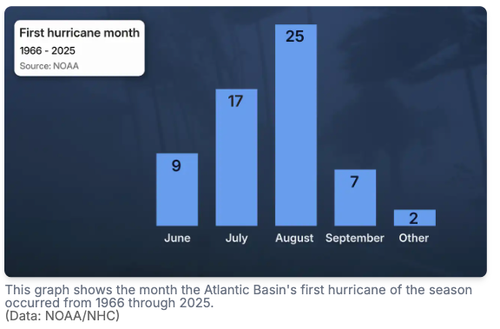
El Niño Delaying 2026 Atlantic Hurricane Season as Dolly Nears Florida
El Niño's wind shear suppresses 2026 Atlantic hurricane activity, delaying first hurricane as Tropical Storm Dolly's remnants approach Florida and the Caribbean.

Mumbai’s Vile Parle Cypher is giving unheard rappers a voice

Enrich and Ultimo impress

Karnataka CM Signals Review of 5% Park Land Amendment Bill in Assembly

