Marseille’s Overtourism Dilemma: Balancing Tourism Growth and Local Life
Marseille’s rise as France’s top tourist destination raises concerns over overtourism, gentrification, and the city’s unique character amid economic benefits and local backlash.
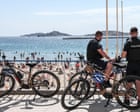
Marseille, once France’s overlooked second city, has transformed into a top tourist destination, surpassing Paris and Nice in online searches this year. The port city, long plagued by stereotypes and poverty, now attracts nearly 7 million visitors annually, drawn by its vibrant culture and Instagram-worthy scenes. However, this surge has sparked a growing debate over the challenges of overtourism.
Two decades ago, Marseille was a place many travelers rushed to leave. Tourists boarding trains at Saint-Charles station often saw the city as merely a stopover on their way to Provence or the French Riviera. Today, Marseille’s rough edges have polished into a trendy holiday spot, celebrated in international media and social platforms. Influencers showcase its golden-hued urban landscape, from seaside pétanque courts to aluminium-plated pizza joints, while the New York Times has featured the city in multiple travel guides, including one this year.
The tourism boom has brought economic benefits, supporting over 20,000 jobs and generating €1.4 billion annually. Yet, it has also intensified local frustrations. Residents in areas like Les Goudes, a scenic fishing hamlet, have protested the overwhelming crowds, with one calling it feel like living under house arrest. In Vallons des Auffes, locals oppose a planned sixth restaurant in the small harbor, while contaminated waters at Plage des Catalans earlier this month were blamed on overcrowding. Anti-Airbnb graffiti and rising property prices further highlight tensions between residents and visitors.
The city’s transformation has accelerated since 2020, when pandemic lockdowns ended and French tourists flocked to Marseille. Local newspaper La Provence noted this as the moment overtourism became apparent. The Green-left alliance-led city hall, in power since 2020, has introduced measures like France’s toughest Airbnb restrictions in 2024 and daily visitor quotas for parts of the Calanques, a fragile maritime park. Newly appointed tourism chief Benoît Payan has pledged to prioritize benefits for locals.
Critics argue these steps are piecemeal. Some demand higher tourist taxes, dual pricing for public transport, or stricter Airbnb limits. Others call for banning cars in overrun districts like Les Goudes and launching public awareness campaigns to reduce litter and disturbances. While the debate over cruise ship infrastructure continues, residents and officials agree the city must act fast to avoid becoming another Barcelona or Lisbon—places where tourism overshadows local life.
For now, Marseille still has a chance to balance growth with preservation, ensuring its unique character remains intact amid the influx of visitors.
#MarseilleTourism #Overtourism #BenoîtPayan #Calanques #AirbnbRegulations #FrenchRiviera #LesGoudes #SustainableTourism
Comments (0)
No comments yet — be the first to weigh in.

Global AI Risks Demand International Safeguards, Experts Warn
Experts urge coordinated global action to prevent AI-driven disasters, highlighting systemic risks beyond dramatic 'AI takeover' scenarios.

French Sundays: The Secret to Guilt‑Free Relaxation and Happiness
Explore how France’s closed‑store Sundays foster family time, slow meals, and guilt‑free leisure—an antidote to modern hustle and a lesson for happier living.
Global rare earth supply chains: Why securing essential minerals is critical
China dominates rare earth mining and processing, prompting global supply chain concerns. Explore the geopolitical and economic risks and emerging solutions.

Germany's far-right AfD gains ground: Why mainstream parties must act now
Germany's AfD nears power in state elections as economic discontent fuels far-right growth. Mainstream parties face calls for bolder responses to counter rising extremism.

Mumbai’s Vile Parle Cypher is giving unheard rappers a voice

Enrich and Ultimo impress

Karnataka CM Signals Review of 5% Park Land Amendment Bill in Assembly

