Meta Settlement Limits Youth Access, Raises Privacy Concerns, EFF Warns
EFF criticizes Meta’s settlement over age verification mandates, warning it restricts youth rights and expands invasive data collection with weak safeguards.
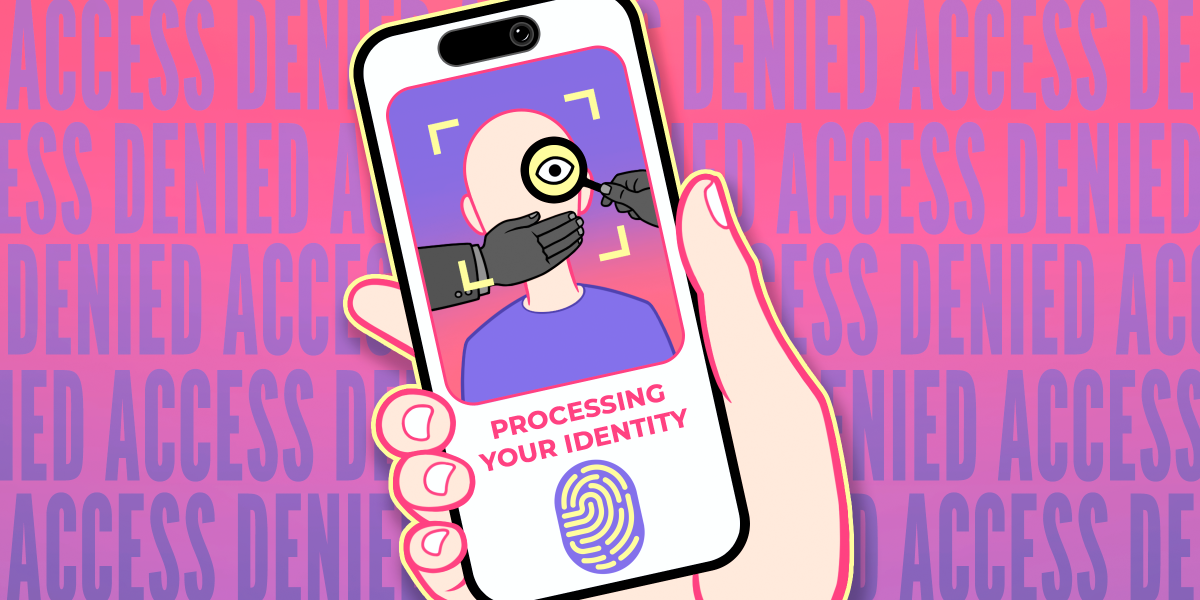
Meta, the parent company of Facebook and Instagram, has reached a settlement with the U.S. Department of Justice that imposes significant restrictions on young users' access to its platforms and embeds age assurance measures across all products. The Electronic Frontier Foundation (EFF) has issued a statement criticizing the agreement, arguing that it reduces young users' ability to exercise their rights to free expression, access information, associate with communities, and engage with art and culture.
The settlement mandates that Meta collect more personal information from users of all ages to verify their ages, a process known as age assurance. The EFF warns that this requirement embeds Meta's existing surveillance practices into law, compromising users' privacy and anonymity while increasing their exposure to data breaches and government data requests.
The agreement also includes data minimization and security measures, but the EFF cautions that these do not prevent states from using the collected data for other law enforcement purposes. Such purposes could include criminal investigations related to abortions or gender-affirming care, raising concerns about the potential misuse of user data.
The EFF statement highlights that the settlement will limit young users' access to Meta's platforms, effectively curtailing their ability to participate in digital spaces. This reduction in access, according to the EFF, infringes on young users' rights to speak freely, access diverse forms of information, and form communities.
Furthermore, the EFF criticizes the settlement for entrenching Meta's surveillance-based business model. By mandating age assurance across all products, the agreement legitimizes the company's practice of extensive data collection, which the EFF argues is inherently harmful to user privacy.
The EFF's concerns extend to the broader implications of the settlement, particularly in an era where digital platforms play a crucial role in civic engagement, education, and social interaction. The organization argues that the agreement sets a dangerous precedent, prioritizing corporate interests over the fundamental rights of young users.
In conclusion, the EFF's statement on the Meta settlement underscores the trade-offs between safety and privacy in digital spaces. While the agreement aims to protect young users, the EFF contends that it does so at the expense of their rights and privacy, embedding harmful surveillance practices into law and potentially enabling government overreach.
Comments (0)
No comments yet — be the first to weigh in.

Energy biz SSE smacked around in court by a guy and AI
An Oxford doctoral student has defeated British energy provider SSE Energy Supply in court after utilizing artificial intelligence models to build his legal def...

Berkeley Humanoid Lite: Affordable Open-Source Robot with DIY Actuators
Explore the Berkeley Humanoid Lite, a budget-friendly open-source robot featuring 3D-printed actuators under $5,000 USD. Learn how its modular design benefits DIY projects.

Woodstove Safety Monitor: Oru System Alerts Users to Temperature Fluctuations
Discover how the Oru woodstove assistant helps prevent dangerous chimney fires by monitoring exhaust gas temperatures and alerting users to temperature changes.

NES CD Add-On Revives 1980s Gaming with Optical Storage
Explore how a DIY project integrates a CD drive with the NES using an RP2350B microcontroller and Everdrive N8 Pro for expanded storage and audio playback.

Mumbai’s Vile Parle Cypher is giving unheard rappers a voice

Enrich and Ultimo impress

Karnataka CM Signals Review of 5% Park Land Amendment Bill in Assembly

