Michael Sheen urges action on Wales' toxic waste legacy after documentary response
Actor Michael Sheen welcomes public reaction to his documentary on Wales' toxic waste, urging authorities to address PCB contamination linked to Monsanto's legacy.

Michael Sheen welcomed the public response to his BBC Wales documentary on Wales’ toxic waste legacy, saying he hopes it forces authorities to find a solution. The film, which investigates the dumping of polychlorinated biphenyls (PCBs) by chemical giant Monsanto, has prompted dozens of viewers to contact the broadcaster with their own stories.
In the documentary, Sheen follows the work of researcher and whistleblower Douglas Gowan, who had tried to alert officials to 14 contaminated sites – 12 of which were in Wales – before dying in 2023. Gowan, a former farming consultant, alleged that Monsanto had buried large amounts of industrial chemicals across the region. He said the company’s workers had been given cheap protective gear and were not told what they were burying.
Following the broadcast, a former Monsanto employee named Stephen Constance, 61, reached out to BBC Wales. He described his experience at the Newport factory in the 1990s as “absolutely dreadful” and said he had seen the company’s practices firsthand. Other viewers have offered similar accounts, describing how their families and communities have been affected by the legacy of toxic waste.
The Eastman Chemical Company, which now owns Monsanto’s legacy production sites in the UK, has not responded to requests for comment from either Sheen’s team or the BBC. Natural Resources Wales has acknowledged that the legacy of historic industrial activity is an issue, noting that much of it took place before modern environmental regulations were in place and that records can be limited. The Welsh government has said that addressing contaminated land is a key priority.
Sheen said he had hoped the documentary would trigger a strong reaction from those in positions of authority. “Getting a response was a really important part of it, and hoping that response would push the people who are in positions to get on with it,” he told reporters. He added that he had received “extraordinary messages” from people who wanted to tell their stories and that there was “a lot of stuff for us to follow up.”
The actor also stressed the need for official bodies to work with the public and with investigative journalists. “We want to find a solution rather than something that keeps putting people in a position where they have to put brakes on because they can’t afford to get involved in this, so we really want to find a solution to this,” he said.
The documentary’s release has reignited a debate over the extent of contamination in south Wales. It has highlighted the lack of transparency around the disposal of PCBs and other hazardous substances. While some officials have said that the Welsh government is prioritising contaminated land, critics argue that more decisive action is required.
In the weeks following the film’s broadcast, BBC Wales has received a flood of letters, emails and phone calls from residents, former workers and environmental groups. Many of these contacts describe ongoing health concerns and property damage linked to the sites in question. The broadcaster has said it will continue to investigate the claims and will seek further comment from the relevant authorities.
Sheen’s film has drawn attention to a legacy that many say has been ignored for too long. He remains hopeful that the public pressure will force the Welsh government and responsible companies to take concrete steps to remediate the sites, protect public health and prevent future environmental harm.
Comments (0)
No comments yet — be the first to weigh in.

NASA Launches Nancy Grace Roman Telescope to Unlock Universe's Mysteries
NASA's new Nancy Grace Roman Space Telescope lifts off from Florida to study dark energy, exoplanets, and cosmic mysteries with unprecedented precision and scope.

Nature reserves spot rare species during heatwaves
Nature reserves in Hertfordshire and Middlesex have documented rare species this summer, with volunteers spotting wildlife not seen in decades and some even for...

Inmates at HMP La Moye craft boxes to save Jersey's hedgehogs
Prisoners at HMP La Moye have crafted nesting and feeding boxes to support Jersey's hedgehog population, boosting rehabilitation and community engagement.
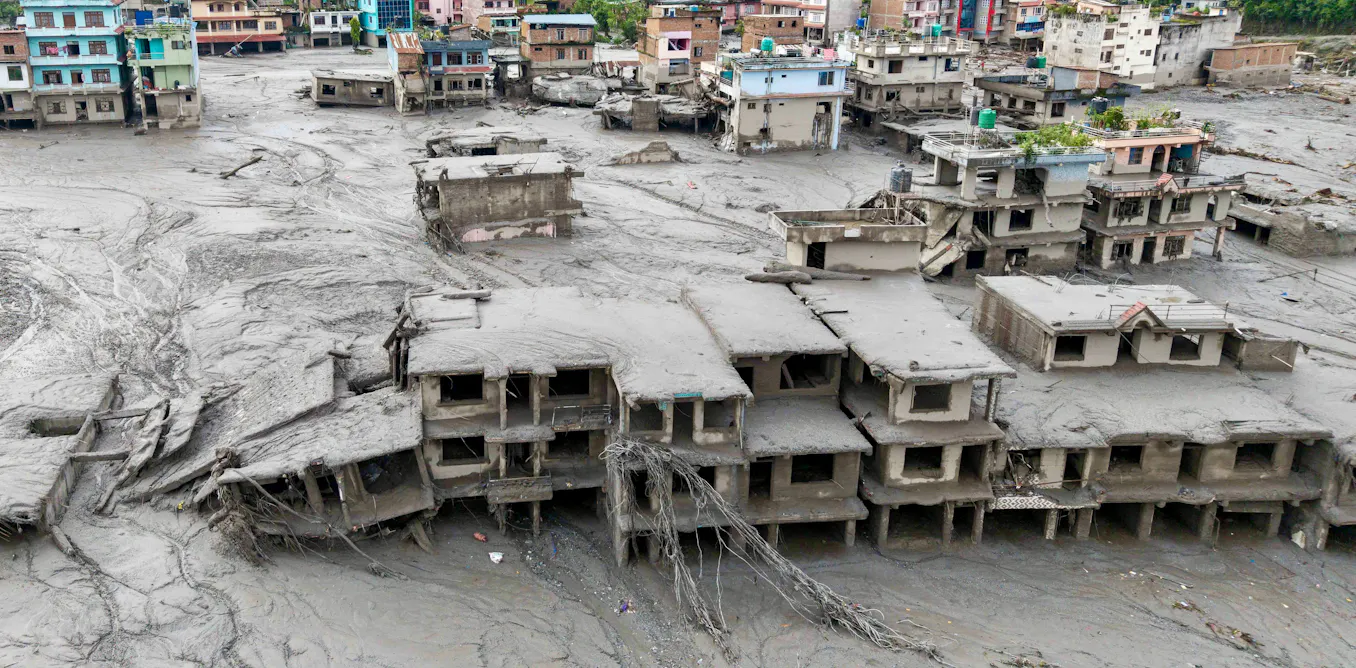
2026 Nepal Flood: Ice‑Rock Avalanche, Glacial Lake Outburst and Climate‑Change Risks
A massive ice‑rock avalanche triggered a catastrophic flood in Nepal on Aug. 26 2026, followed by a glacial lake outburst that devastated towns and hydropower plants. Climate‑change‑driven thawing increased the risk.

Mumbai’s Vile Parle Cypher is giving unheard rappers a voice

Enrich and Ultimo impress

Karnataka CM Signals Review of 5% Park Land Amendment Bill in Assembly

