Mobile Ad Software Encourages Location Data Sharing, EFF Report Finds

The Electronic Frontier Foundation (EFF), Access Now, and Data Privacy Brasil have jointly issued recommendations to strengthen privacy and data protection safeguards ahead of Brazil's 2024 elections. The coalition warns that unchecked mobile advertising software may encourage excessive location data sharing, potentially undermining electoral integrity. Their report highlights a troubling link between weak data privacy practices and threats to free and fair elections in Brazil.
In a detailed analysis, the organizations point to how mobile ad platforms—often operating without clear consent or transparency—collect and trade user location data. These practices, they argue, could enable microtargeting or manipulation of voters based on sensitive movement patterns. With Brazil preparing for municipal elections this October, the groups are urging regulators and policymakers to adopt stricter oversight of ad tech and data brokers.
“Personal data should never be weaponized in political campaigns,” stated a spokesperson from Access Now. While the quote reflects the coalition’s stance, it is not directly attributed to a named individual in the report. The recommendations emphasize the need for Brazil’s data protection authority, the Autoridade Nacional de Proteção de Dados (ANPD), to enforce stronger rules on consent and data minimization.
Data Privacy Brasil’s executive director stressed that without robust safeguards, mobile advertising ecosystems could become channels for foreign interference, disinformation, or voter suppression. The report specifically names programmatic ad platforms like Google’s AdMob and Meta Audience Network as examples of systems with opaque data flows that may facilitate such risks.
EFF’s investigation further reveals that many Brazilians remain unaware their location data is being harvested and resold by third-party brokers. In one case study, researchers found that a popular weather app shared user location data with at least seven ad networks, none of which disclosed the practice in clear terms. Such practices violate both Brazil’s General Data Protection Law (LGPD) and international privacy standards, the report argues.
The coalition calls for mandatory audits of ad tech companies operating in Brazil, public disclosure of data sharing agreements, and penalties for non-compliance. They also recommend that political campaigns be barred from using location-based microtargeting tools that rely on sensitive personal data.
Brazil’s Superior Electoral Court (TSE) has expressed concern about digital threats to election security. In response to the report, a TSE spokesperson noted that the court is reviewing new guidelines to address data misuse in political advertising. However, implementation remains pending as consultations with civil society and tech platforms continue.
Meanwhile, consumer advocates are urging app developers to adopt privacy-by-design principles and give users genuine control over their data. The report concludes that without urgent action, Brazil’s electoral process could face new forms of digital interference tied to unregulated data markets.
#BrazilElections #DataPrivacy #EFF #AccessNow #DataPrivacyBrasil #LGPD #ANPD #AdTech
Comments (0)
No comments yet — be the first to weigh in.

Energy biz SSE smacked around in court by a guy and AI
An Oxford doctoral student has defeated British energy provider SSE Energy Supply in court after utilizing artificial intelligence models to build his legal def...
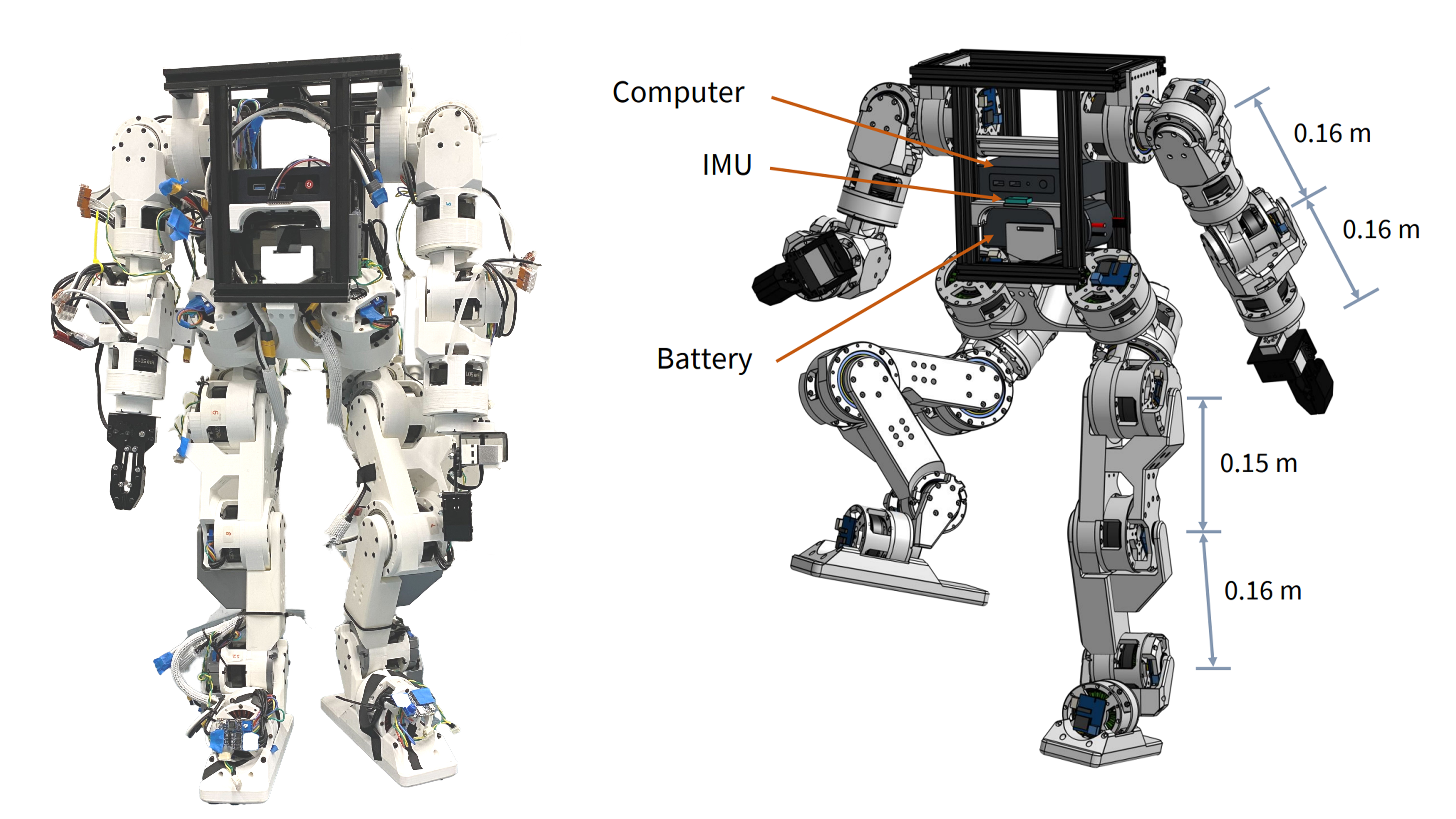
Berkeley Humanoid Lite: Affordable Open-Source Robot with DIY Actuators
Explore the Berkeley Humanoid Lite, a budget-friendly open-source robot featuring 3D-printed actuators under $5,000 USD. Learn how its modular design benefits DIY projects.

Woodstove Safety Monitor: Oru System Alerts Users to Temperature Fluctuations
Discover how the Oru woodstove assistant helps prevent dangerous chimney fires by monitoring exhaust gas temperatures and alerting users to temperature changes.
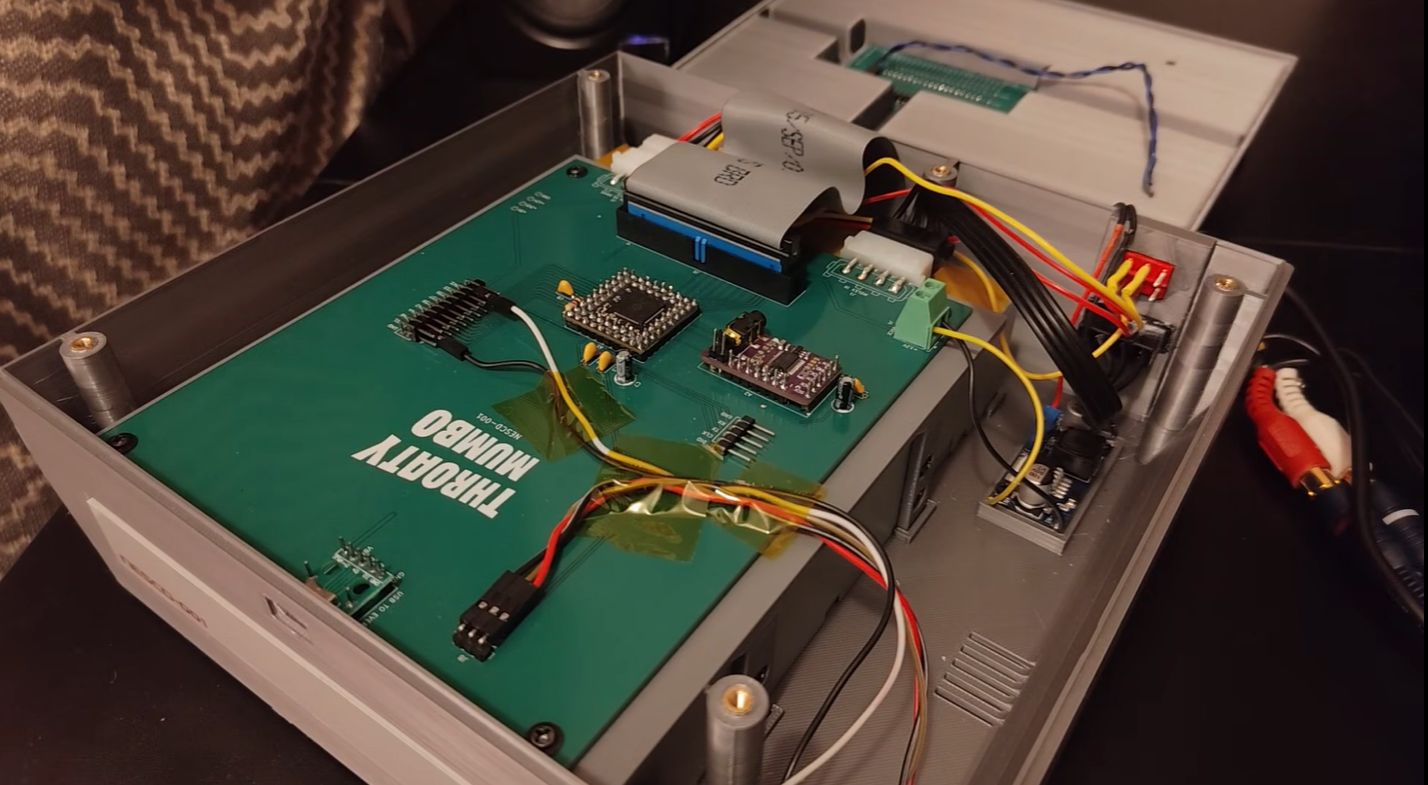
NES CD Add-On Revives 1980s Gaming with Optical Storage
Explore how a DIY project integrates a CD drive with the NES using an RP2350B microcontroller and Everdrive N8 Pro for expanded storage and audio playback.

Mumbai’s Vile Parle Cypher is giving unheard rappers a voice

Enrich and Ultimo impress

Karnataka CM Signals Review of 5% Park Land Amendment Bill in Assembly

