More Flooding Threatens Nepal, Fed Chair Set to Address Inflation
Over 460 dead and 1,500 missing after glacial collapse triggers Nepal floods; U.S. pledges $500k aid. Fed Chair Warsh to speak on inflation this week.
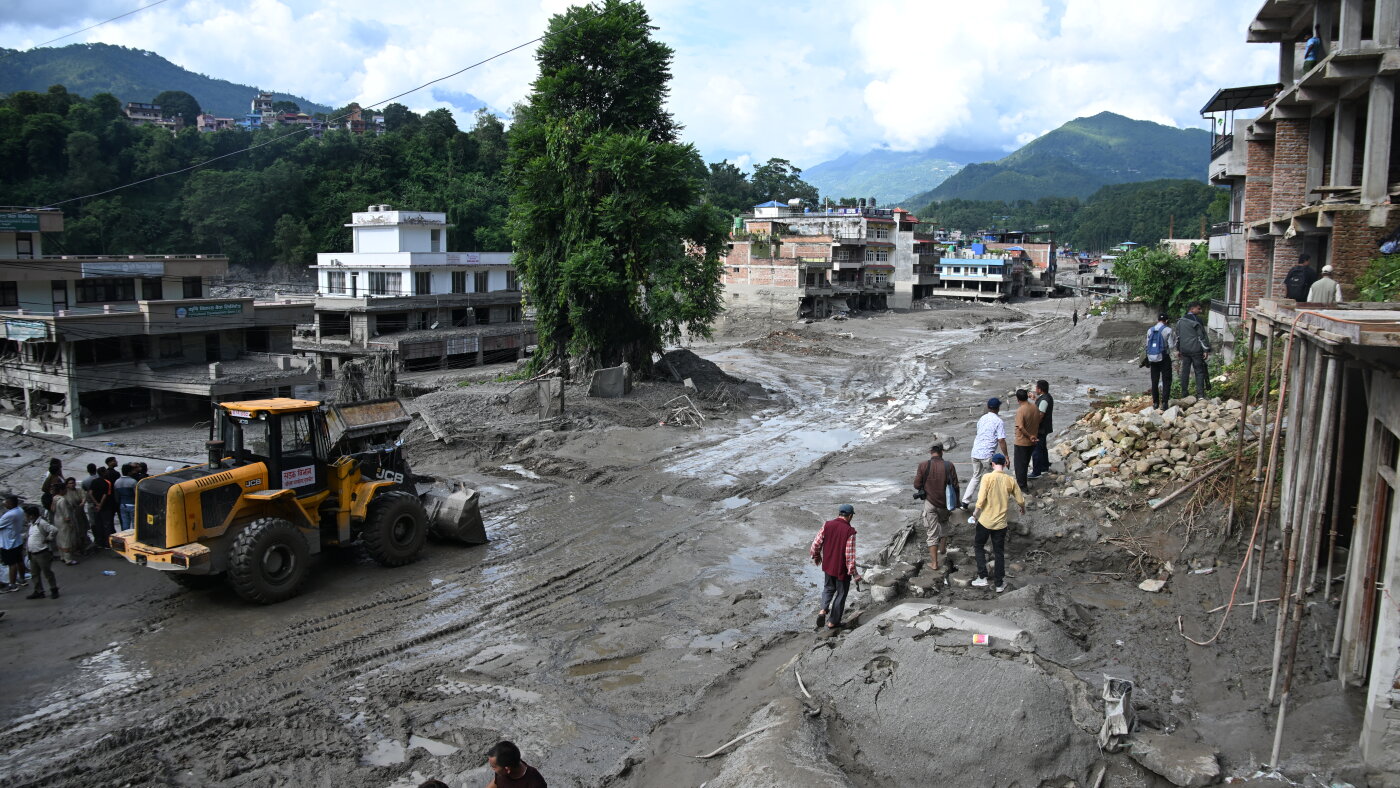
The death toll from flash floods that struck the Nepal‑Tibet border has risen to more than 460 people, with more than 1,500 people reported missing, officials said on Friday. U.S. officials noted that roughly 90 Americans are among those unaccounted for. The U.S. Geological Survey said a sudden collapse of a glacier in the region triggered the deluge, and the U.S. State Department said it would provide $500,000 in aid to help with rescue operations.
The floods have swept away roads, homes and villages in several districts along the border, leaving communities cut off from supplies and medical care. Rescue teams have been working around the clock, but the steep terrain and ongoing rainfall have hampered their efforts. Local police and volunteers are clearing debris and setting up temporary shelters for displaced residents. The United Nations and several international aid agencies have pledged assistance, but the scale of the disaster is still unfolding.
In Washington, the U.S. State Department’s announcement of financial aid came after the U.S. Geological Survey issued a warning that the region was at high risk of further glacial lake outburst floods. The government said it would also work with Nepalese authorities to coordinate search and rescue and to provide medical supplies for the injured.
Meanwhile, in the United States, Federal Reserve Chair Kevin Warsh is scheduled to give his first major speech of the year at the Jackson Lake Lodge in Wyoming. The address is expected to outline the Fed’s strategy for tackling inflation, which has risen to a 12‑month high of 3.7% in July. Investors and economists have been waiting for the chair to provide clearer guidance after a previous statement that promised to curb inflation but offered few specifics.
Warsh’s speech will be closely watched by market participants, as Fed leaders traditionally use the event to signal future policy moves. The Fed’s policy rate has remained above the target range for several months, and the central bank has signaled that it will keep rates elevated until inflation falls closer to its 2% goal. The chair’s comments are expected to clarify the Fed’s plans for future rate hikes or pauses, and to address concerns about the durability of the recent economic recovery.
In other domestic news, a federal judge heard arguments last week about a proposal by the Kennedy Center board to rename the main entrance in honor of former President Donald Trump. The board, which has a majority of members appointed by the president, voted to close the main building for renovations and to install a new sign reading “The John F. Kennedy Memorial Center for the Performing Arts, Restored and Renovated by President Donald J. Trump.” The board warned that the complex could be demolished if its renovation plans, including the proposed renaming, do not move forward.
Separately, President Trump announced a temporary tariff relief on imported ground beef, allowing up to 300,000 metric tons of the product to be imported without a tariff and promising to sell it at a price 25 percent below market rates. The move comes amid rising beef prices, which averaged $6.89 per pound last month. Industry analysts have cautioned that the tariff waiver is unlikely to produce a noticeable drop in consumer prices, given the supply constraints and ongoing inflation.
These domestic developments unfold against the backdrop of the ongoing global economic uncertainty, as the U.S. and its allies grapple with inflation, supply chain disruptions and the aftereffects of the pandemic. While the Nepal floods highlight the increasing risks of climate‑related disasters, the Fed’s upcoming address and the Trump tariff proposal underscore the complex policy decisions facing governments today.
Comments (0)
No comments yet — be the first to weigh in.
Iran-US Tensions Escalate Amid Hormuz Strait Crisis – Live Updates
Iranian President Pezeshkian seeks diplomatic solutions with global leaders at SCO summit in Kyrgyzstan amid rising US tensions over Hormuz Strait.

Search continues for 18 passengers after ferry capsized in northern Cyprus
Search and rescue operations are continuing off the coast of Kyrenia in northern Cyprus after a passenger ferry capsized and sank on Sunday, leaving at least ei...

Swiss Man Arrested After Deadly Rave Shooting Kills Italian Woman
A 43-year-old Swiss suspect has been arrested after a shooting at a techno rave in Aarau left one woman dead and several others injured. Authorities continue their investigation.

England attack's 2005 comparisons fair - Trescothick
England’s new pace attack is drawing comparisons to the legendary Ashes-winning quartet of 2005, according to interim head coach Marcus Trescothick. The current...

Mumbai’s Vile Parle Cypher is giving unheard rappers a voice

Enrich and Ultimo impress

Karnataka CM Signals Review of 5% Park Land Amendment Bill in Assembly

