Most Smart Watches, Rings, and Bands Lack Basic Transparency Reports and Key Privacy Features

Wearable health devices like smartwatches, fitness rings, and activity bands are becoming increasingly popular in the United States, with about 40 percent of Americans owning at least one. However, a new report from the Electronic Frontier Foundation (EFF) highlights significant privacy and security shortcomings in these devices. The study, which examines transparency and encryption practices among major manufacturers including Apple, Garmin, Oura, Whoop, and Google-owned Fitbit, found that most do not provide essential privacy safeguards such as transparency reports or end-to-end encryption.
These devices collect sensitive health data, including heart rate, sleep patterns, and movement, which can reveal intimate details about users’ daily lives. While marketed as tools for better health, they lack the strong privacy protections typically expected from health-focused technologies. Many companies routinely share this data with third parties for marketing or insurance purposes, and some have even used it to train artificial intelligence models without clear user consent.
Law enforcement agencies have also taken notice of wearable data. Fitness tracker information has been used in criminal investigations to determine individuals’ locations or activities through subpoenas or warrants. Surveillance experts like Penlink have described wearables as an “overlooked source” for tracking movement patterns and physiological changes, making them valuable tools for investigators.
The EFF’s investigation focused on two key privacy concerns: whether companies disclose government requests for user data and whether they offer end-to-end encryption to prevent even the manufacturer from accessing stored health information.
Of the ten leading wearable brands reviewed, only Apple and Google (which owns Fitbit) publish transparency reports detailing law enforcement requests. Apple and Whoop also state in their policies that they will notify users of such requests when legally permitted. Oura, responding to journalist Zack Whittaker, updated its privacy policy in June 2026 to include similar notification promises and expressed intent to explore publishing a transparency report. Suunto, while not currently publishing such reports, told the EFF it may do so in the future to enhance user trust.
Most other companies either do not respond to inquiries or provide no public statements regarding transparency or user notification policies. The EFF argues that all companies handling sensitive health data—especially data of interest to law enforcement—should publish transparency reports and notify users when their data is requested, within legal bounds.
End-to-end encryption is even rarer. Only Apple Watch data stored in the Apple Health app is protected by default end-to-end encryption, though this protection does not extend to data shared with third-party apps or services like Strava. No other major wearable brand offers true end-to-end encryption for stored health data. Most rely on encryption in transit and at rest, which allows the companies themselves to access and use the data—often for advertising, AI training, or other commercial purposes.
Some devices, such as certain Garmin and Polar watches, allow local storage without cloud syncing, but this feature is limited and not standard. Users seeking greater privacy must often disable cloud sharing manually or use third-party tools, a cumbersome workaround.
The lack of both transparency and end-to-end encryption in wearable health devices poses serious privacy risks. These tools collect deeply personal data—heart rate, sleep, location, stress levels, and more—yet fail to implement the strongest available protections. The EFF urges manufacturers to adopt end-to-end encryption and publish transparency reports, emphasizing that health data demands higher privacy standards than typical consumer electronics.
As wearables become more integrated into healthcare and personal wellness, the need for stronger privacy controls grows. Without meaningful changes, users remain vulnerable to surveillance, data misuse, and unwarranted access by governments and corporations.
#WearablePrivacy #HealthTech #ElectronicFrontierFoundation #SmartwatchSecurity #OuraRing #AppleWatch #DataEncryption
Comments (0)
No comments yet — be the first to weigh in.

Energy biz SSE smacked around in court by a guy and AI
An Oxford doctoral student has defeated British energy provider SSE Energy Supply in court after utilizing artificial intelligence models to build his legal def...
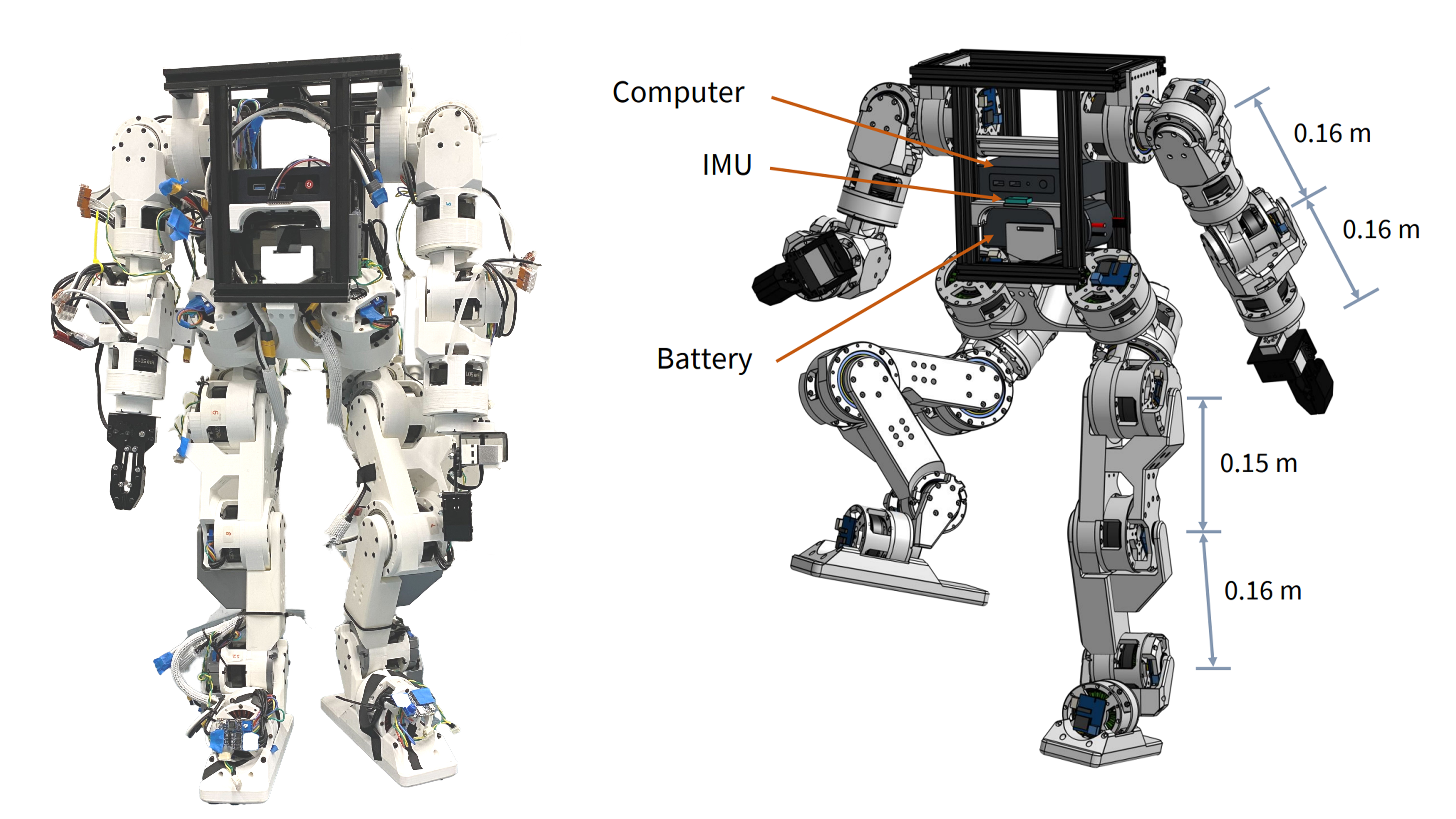
Berkeley Humanoid Lite: Affordable Open-Source Robot with DIY Actuators
Explore the Berkeley Humanoid Lite, a budget-friendly open-source robot featuring 3D-printed actuators under $5,000 USD. Learn how its modular design benefits DIY projects.

Woodstove Safety Monitor: Oru System Alerts Users to Temperature Fluctuations
Discover how the Oru woodstove assistant helps prevent dangerous chimney fires by monitoring exhaust gas temperatures and alerting users to temperature changes.

NES CD Add-On Revives 1980s Gaming with Optical Storage
Explore how a DIY project integrates a CD drive with the NES using an RP2350B microcontroller and Everdrive N8 Pro for expanded storage and audio playback.

Mumbai’s Vile Parle Cypher is giving unheard rappers a voice

Enrich and Ultimo impress

Karnataka CM Signals Review of 5% Park Land Amendment Bill in Assembly

