Most Westerners know Buddhism through meditation, but everyday Buddhist life looks quite different in Thai temples
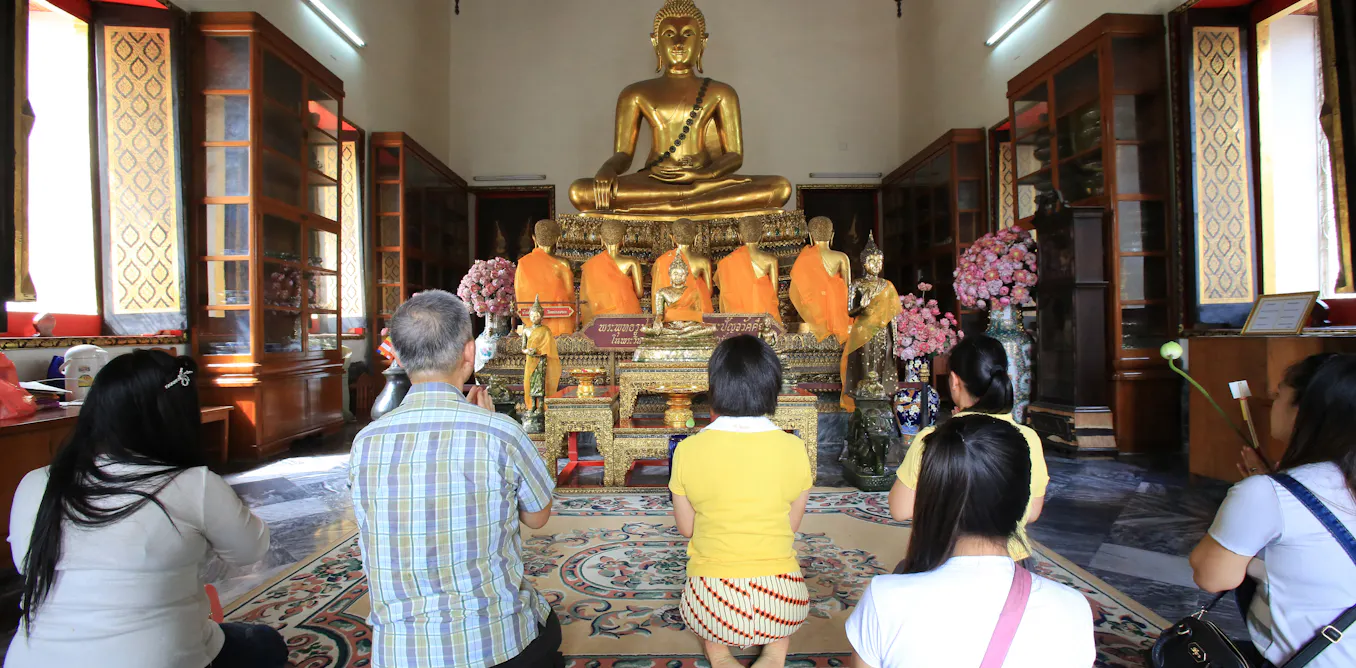
Westerners often associate Buddhism primarily with meditation, but in Thailand, daily life and spiritual practice are deeply intertwined with Buddhist traditions that extend far beyond seated mindfulness. The country, where Theravada Buddhism is the dominant religion, offers a vivid contrast to the meditation-focused approaches common in North America and Europe. A scholar of contemporary Thai Buddhism recently led a 10-day educational program in Thailand for Buddhist practitioners from the United States and Europe, aiming to deepen their understanding of how Buddhism is lived—not just studied—within Thai temples.
While meditation is important to many Western Buddhists, it represents only one facet of the tradition. In Thailand, Buddhism is woven into the fabric of everyday life through rituals, offerings, temple visits, and community interactions. These practices are not just spiritual exercises but social and cultural activities that shape personal identity and communal bonds.
One of the most visible aspects of daily Buddhist practice in Thailand is merit-making, known as *tam bun*. Merit-making refers to actions believed to generate positive karma, which can influence one’s present life and future rebirths. The simplest form is donating money to a temple. Temples also organize engaging, accessible rituals. For example, participants can affix small gold leaf to a Buddha statue in the area corresponding to their needs—such as the mouth for better communication or the ankle for physical healing. Another common ritual involves ritually cleansing a *chedi*, a large monument that houses sacred relics. Using a pulley system, worshippers pour blessed water from the base to the top, symbolically purifying the sacred structure while accumulating merit.
Offerings are often personalized, especially through connections to astrology. Thai temples feature eight Buddha statues, each representing a day of the week, with Wednesday divided into morning and evening. People born on Friday, for instance, will make offerings to the Buddha statue associated with Friday. Some also direct donations to the zodiac animal of their birth year—such as placing a monkey-shaped paper or flag near a sacred altar for those born in the Year of the Monkey.
The relationship between Buddhist monks and laypeople remains central to Thai Buddhism. Known as *patimokkha*, this reciprocal bond involves laity offering food and alms, while monks provide spiritual guidance and wisdom. Monks are believed to accumulate vast merit, which they can transfer to the laity through blessings. However, this relationship has faced challenges. During the COVID-19 pandemic, limited temple access disrupted traditional alms-giving and weakened communal ties. Public scandals, such as a 2022 case involving a well-known monk accused of infidelity, have also shaken trust in monastic integrity and raised concerns about the observance of monastic vows.
Many Thai Buddhists balance their ultimate spiritual goal—nirvana—with more immediate, worldly aspirations such as career success, health, or family. To this end, some temples incorporate reverence for Hindu deities like Ganesha and Brahma, as well as local spirits. These figures are seen as accessible intercessors for daily concerns. Worshippers make offerings—such as hard-boiled eggs, elephant figurines, or flower garlands—in exchange for blessings, with promises to return with further gifts if their wishes are fulfilled.
Through participation in these rituals and community practices, the Western visitors gained firsthand insight into how Buddhism is not just a private mental discipline but a living tradition embedded in Thai society. By the program’s end, participants came to appreciate the value of merit-making and collective worship, recognizing that Thai Buddhism offers a holistic path that blends meditation with ritual, generosity, and communal engagement.
#ThaiBuddhism #Theravada #BuddhistPractice #MeritMaking #BuddhistMonks #Thailand #BuddhistRituals #CulturalUnderstanding
Comments (0)
No comments yet — be the first to weigh in.

NASA Launches Nancy Grace Roman Telescope to Unlock Universe's Mysteries
NASA's new Nancy Grace Roman Space Telescope lifts off from Florida to study dark energy, exoplanets, and cosmic mysteries with unprecedented precision and scope.

Nature reserves spot rare species during heatwaves
Nature reserves in Hertfordshire and Middlesex have documented rare species this summer, with volunteers spotting wildlife not seen in decades and some even for...

Inmates at HMP La Moye craft boxes to save Jersey's hedgehogs
Prisoners at HMP La Moye have crafted nesting and feeding boxes to support Jersey's hedgehog population, boosting rehabilitation and community engagement.
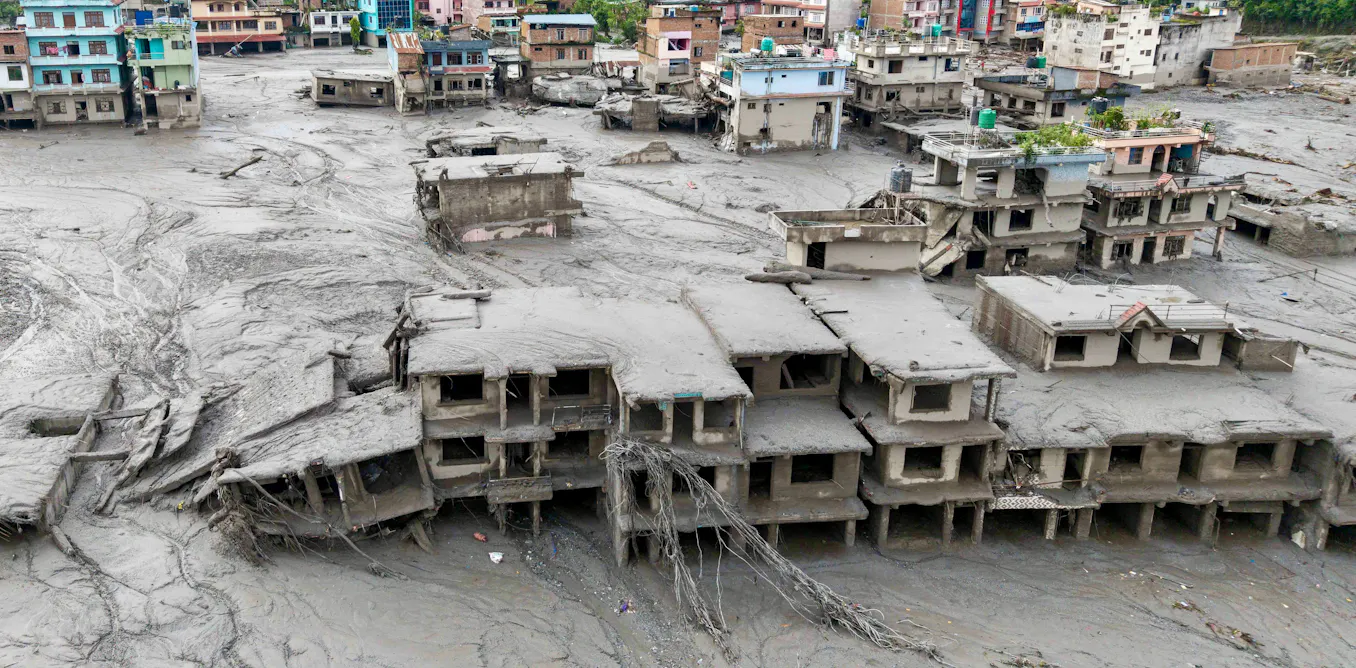
2026 Nepal Flood: Ice‑Rock Avalanche, Glacial Lake Outburst and Climate‑Change Risks
A massive ice‑rock avalanche triggered a catastrophic flood in Nepal on Aug. 26 2026, followed by a glacial lake outburst that devastated towns and hydropower plants. Climate‑change‑driven thawing increased the risk.

Mumbai’s Vile Parle Cypher is giving unheard rappers a voice

Enrich and Ultimo impress

Karnataka CM Signals Review of 5% Park Land Amendment Bill in Assembly

