Nepal flash flood death toll hits 469 as 1,300 remain missing, officials report
Nepal police confirm 469 dead after catastrophic flash flood; over 1,300 missing, including foreign tourists. Rescue hindered by destroyed infrastructure.
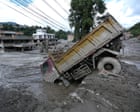
The death toll from a flash flood that struck the Khumbu region of Nepal on Wednesday has risen to 469, according to Nepal police. The figure represents an increase of 80 deaths since the last official update, and it comes as search teams continue to comb the disaster‑hit area for survivors and bodies.
More than 1,300 people remain missing, including hundreds of foreign tourists from India, the United States, Britain, Australia and Canada. The missing count reflects the scale of the tragedy, as the region is a popular trekking and pilgrimage destination. Many of the missing are believed to have been caught in the sudden deluge as they were trekking near the base of Mount Everest or traveling along the Khumbu River.
The flash flood was triggered by a sudden burst of heavy rainfall that overwhelmed the river, which was already clogged with debris from the melting of glaciers and the collapse of ice walls. The river’s capacity was exceeded, causing water to spill over the banks and sweep away villages, bridges and roads. The destruction of dozens of bridges and roughly 40 kilometres (25 miles) of roads has hampered rescue operations and the delivery of supplies to affected communities.
Police and local authorities have been coordinating with international aid agencies to conduct search and rescue operations in the rugged terrain. Helicopters, ground teams and volunteers from Nepal and abroad are working around the clock to locate the missing and recover bodies. The National Disaster Risk Reduction and Management Authority has also dispatched additional resources to assist in the recovery effort.
The debris‑clogged Khumbu River poses a continuing threat. Experts warn that if the river’s capacity is not restored, the risk of another flood surge is high. The river’s blockage can cause water to back up, raising water levels upstream and potentially triggering a secondary flood event. Local officials have called for urgent clearance of the debris and for the construction of temporary flood defenses to mitigate the risk.
The flood occurred in the early hours of Wednesday, when a sudden rainstorm produced an unprecedented volume of water in a short period. Meteorological reports indicate that the region received more than 200 millimetres (8 inches) of rainfall in a single day, a record for the area. Climate scientists attribute the intensity of the storm to shifting weather patterns linked to climate change, which are increasing the frequency of extreme weather events in the Himalayas.
The disaster has had a profound impact on Nepal’s tourism industry, which is a major source of revenue for the country. The Khumbu region is one of the world’s most visited trekking destinations, and the flood has disrupted trekking routes, closed several lodges and forced the evacuation of many foreign nationals. The Nepalese government has urged foreign governments to advise their citizens to avoid the region until the situation stabilises.
In addition to the immediate human toll, the flood has caused significant infrastructure damage. The destruction of bridges and roads has isolated several villages, making it difficult for aid to reach remote communities. The Nepal Army has been deployed to assist with road clearance and to provide temporary shelters for displaced residents.
The Nepal Police have pledged to keep the public updated on the death toll and the number of missing as the search continues. They have also urged residents of the region to remain vigilant and to report any signs of rising water levels. The government has called for international assistance, noting that the scale of the disaster exceeds the country’s capacity to respond alone.
As rescue efforts continue, the focus remains on locating the missing, recovering bodies, restoring essential infrastructure and preventing a secondary flood event. The flood’s aftermath underscores the vulnerability of the Himalayan region to extreme weather and the importance of disaster preparedness and climate adaptation strategies.
Comments (0)
No comments yet — be the first to weigh in.

Iran-US Tensions Escalate Amid Hormuz Strait Crisis – Live Updates
Iranian President Pezeshkian seeks diplomatic solutions with global leaders at SCO summit in Kyrgyzstan amid rising US tensions over Hormuz Strait.

Search continues for 18 passengers after ferry capsized in northern Cyprus
Search and rescue operations are continuing off the coast of Kyrenia in northern Cyprus after a passenger ferry capsized and sank on Sunday, leaving at least ei...

Swiss Man Arrested After Deadly Rave Shooting Kills Italian Woman
A 43-year-old Swiss suspect has been arrested after a shooting at a techno rave in Aarau left one woman dead and several others injured. Authorities continue their investigation.

England attack's 2005 comparisons fair - Trescothick
England’s new pace attack is drawing comparisons to the legendary Ashes-winning quartet of 2005, according to interim head coach Marcus Trescothick. The current...

Mumbai’s Vile Parle Cypher is giving unheard rappers a voice

Enrich and Ultimo impress

Karnataka CM Signals Review of 5% Park Land Amendment Bill in Assembly

