New Rwanda Footbridges Boost Economy, Education, and Safety
New pedestrian bridges in rural Rwanda connect isolated communities, improving access to healthcare, education, and markets while boosting local economies.
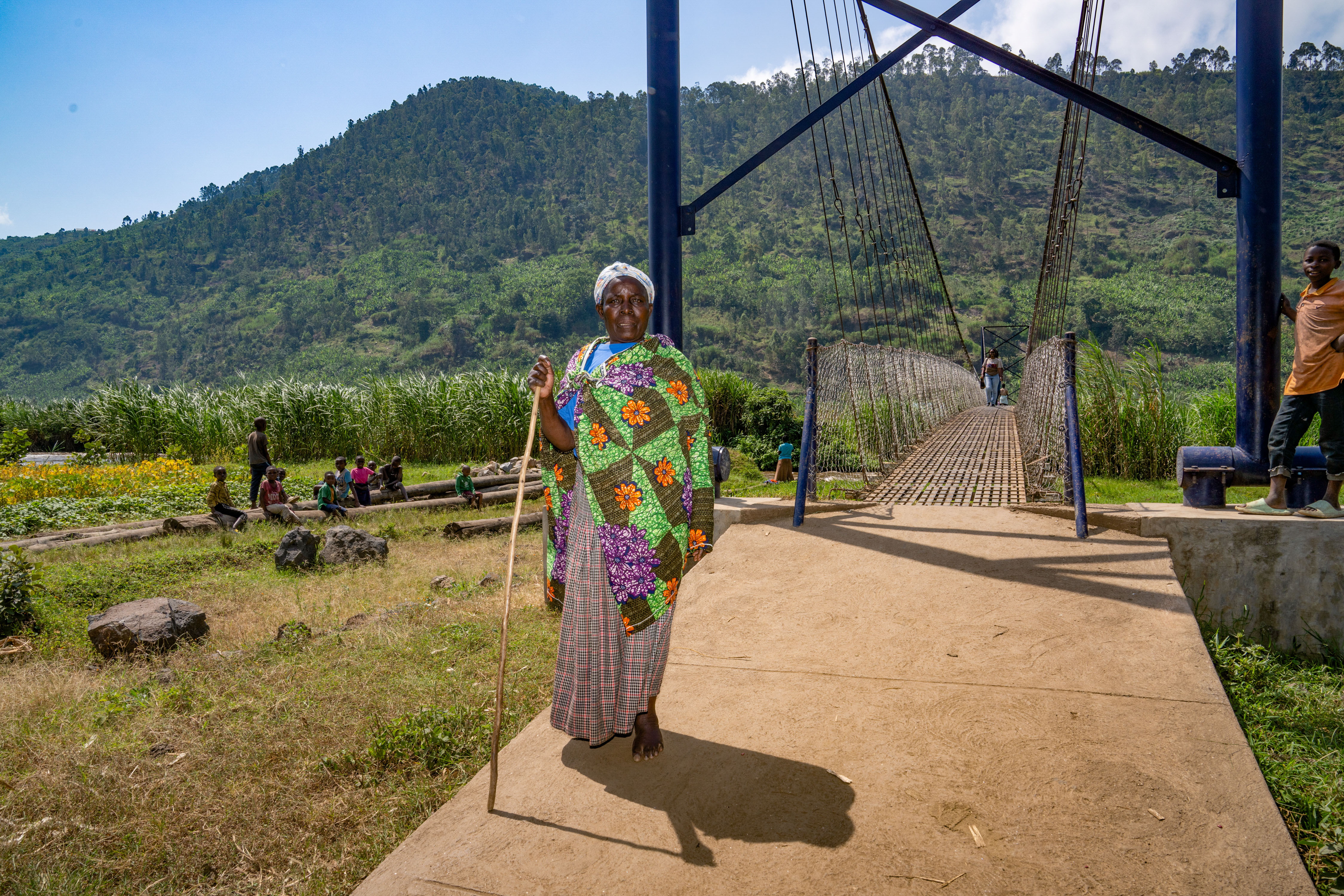
A series of newly constructed pedestrian footbridges across rural Rwanda is dramatically boosting local economies, school attendance, and healthcare access in isolated communities, according to a study by researchers at the University of Colorado Boulder. Built by Fika, a Kigali-based nonprofit organization, the bridges cross hazardous waterways such as the Mukungwa River, connecting remote settlements to vital public services and regional marketplaces.
The study, led by environmental engineering professor Evan Thomas, surveyed thousands of rural households to measure the socio-economic impact of the infrastructure projects. Researchers documented immediate increases in household income, agricultural land cultivation, fertilizer use, and primary school enrollment. In the Mukungwa River Valley, a regional health clinic recorded a 40% increase in patient visits, while local agricultural producers more than tripled their output. Overall, researchers calculated a 120% rate of return on investment within the first year of a bridge's construction.
Before the installation of these footbridges, residents in remote regions faced dangerous river crossings. Communities relied on makeshift bridges made of timber logs, which became slippery during heavy rains and frequently washed away during floods. The only alternative was taking a three-hour detour on foot, while hiring local boats was too expensive for most households. Drowning incidents were common during the rainy season, prompting parents to keep children out of school and hindering local commerce.
The Cyangoga Suspension Bridge in northwestern Rwanda exemplifies the transformation. The 230-foot concrete-and-cable footbridge spans the Mukungwa River, providing a safe path between settlements that share single health facilities and schools. Local resident Naomi Nibishaka, 76, reported that the bridge restored her independence, allowing her to visit family and secure food without relying on dangerous seasonal river crossings.
Educational access has also expanded significantly. Marie Gorette Mutuyimana, a primary school teacher at Gakoro School in Nyamutera, reported that more than 134 students re-enrolled after the Cyangoga bridge opened. Previously, heavy rainfall caused dangerous commuting conditions that led to high student dropout rates and prevented regular school attendance.
Since 2020, Fika has constructed 96 pedestrian bridges across Rwanda. The mountainous, high-rainfall geography of the country creates significant logistical challenges for large-scale infrastructure projects. To adapt, Fika designs suspension and suspended bridges that can be constructed without heavy machinery, keeping the average cost to roughly $100,000 per bridge. Program funding has been provided by the Rwandan government alongside international donors, including the U.S. Agency for International Development.
#Rwanda #Infrastructure #Fika #MukungwaRiver #EvanThomas #NaomiNibishaka #USAID
Comments (0)
No comments yet — be the first to weigh in.
Iran-US Tensions Escalate Amid Hormuz Strait Crisis – Live Updates
Iranian President Pezeshkian seeks diplomatic solutions with global leaders at SCO summit in Kyrgyzstan amid rising US tensions over Hormuz Strait.

Search continues for 18 passengers after ferry capsized in northern Cyprus
Search and rescue operations are continuing off the coast of Kyrenia in northern Cyprus after a passenger ferry capsized and sank on Sunday, leaving at least ei...

Swiss Man Arrested After Deadly Rave Shooting Kills Italian Woman
A 43-year-old Swiss suspect has been arrested after a shooting at a techno rave in Aarau left one woman dead and several others injured. Authorities continue their investigation.

England attack's 2005 comparisons fair - Trescothick
England’s new pace attack is drawing comparisons to the legendary Ashes-winning quartet of 2005, according to interim head coach Marcus Trescothick. The current...

Mumbai’s Vile Parle Cypher is giving unheard rappers a voice

Enrich and Ultimo impress

Karnataka CM Signals Review of 5% Park Land Amendment Bill in Assembly

